 PL
PL
 EN
EN
 DE
DE
 CS
CS
 ES
ES


Children’s barefoot shoes for autumn and winter


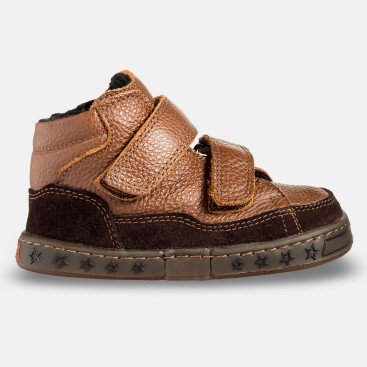
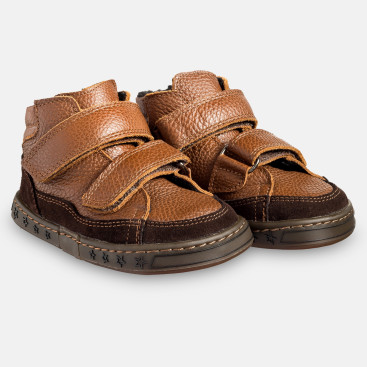
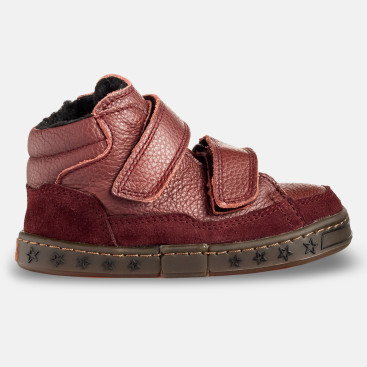
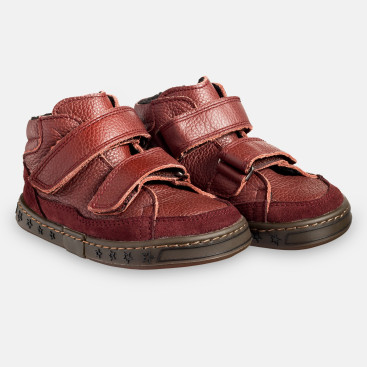
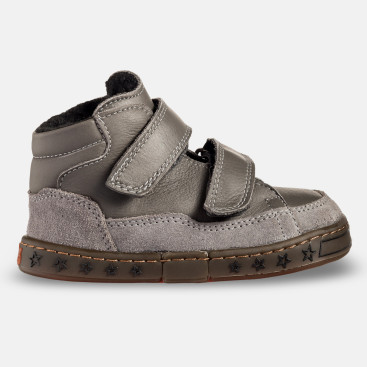
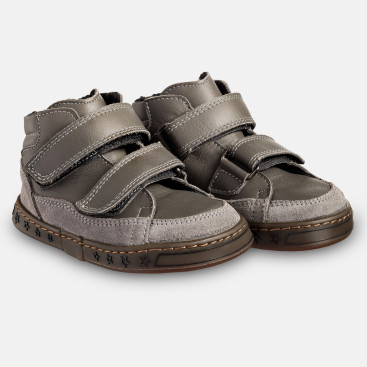
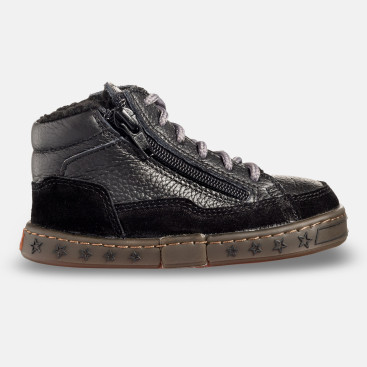
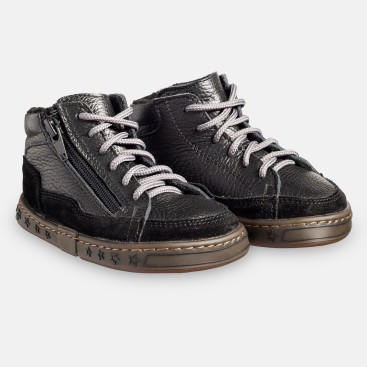
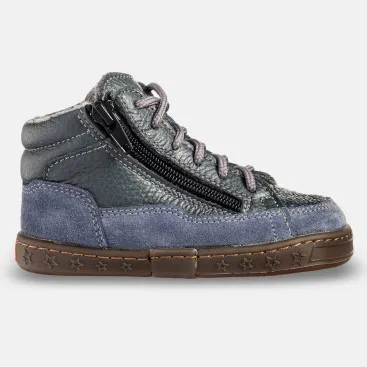
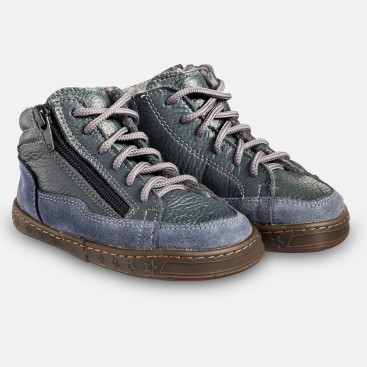
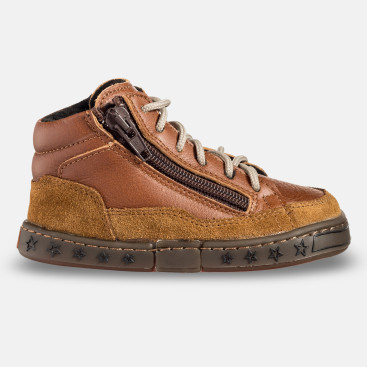
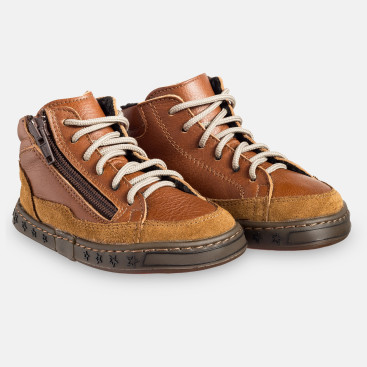
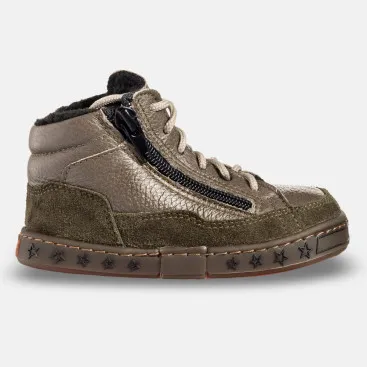
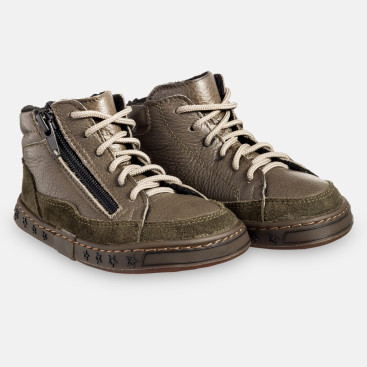
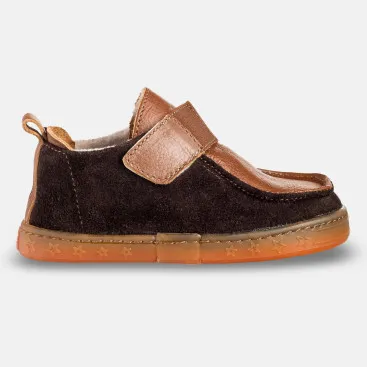
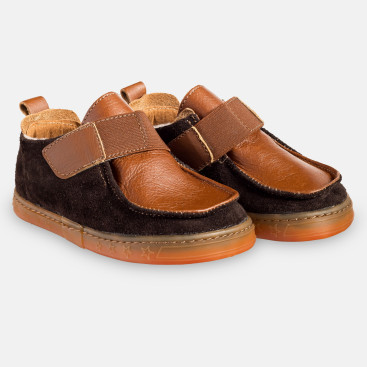
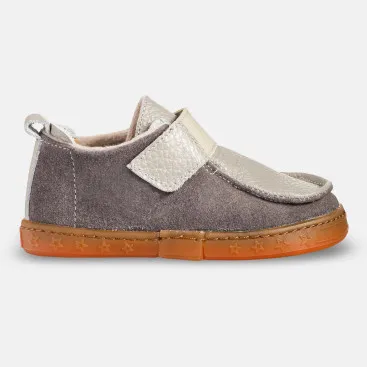
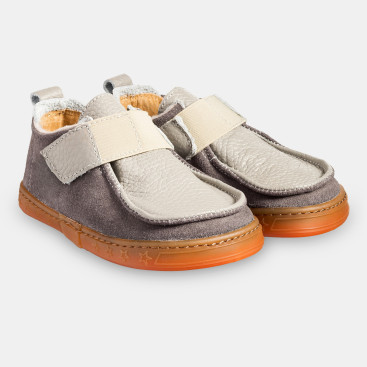
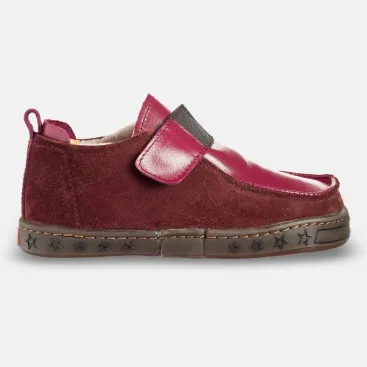
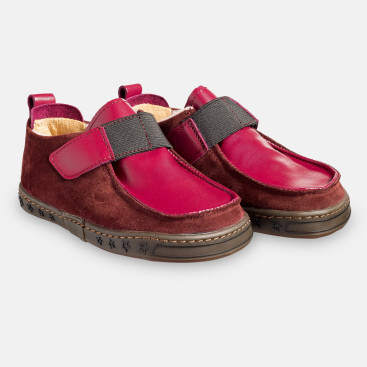
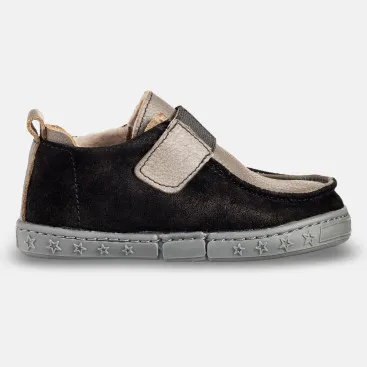
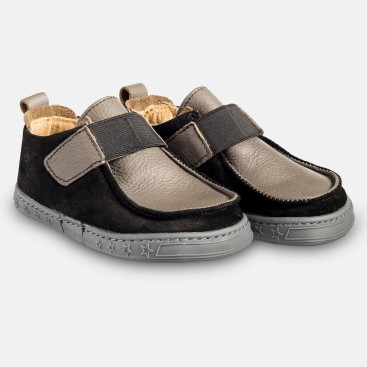
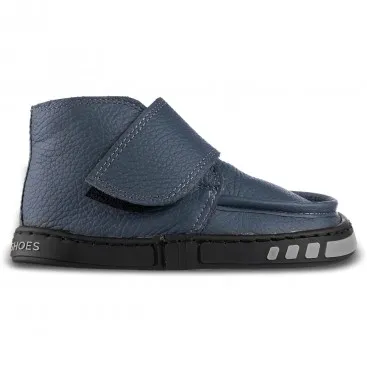


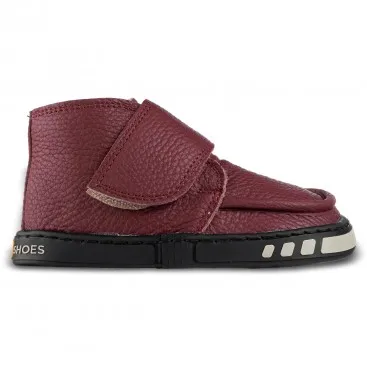


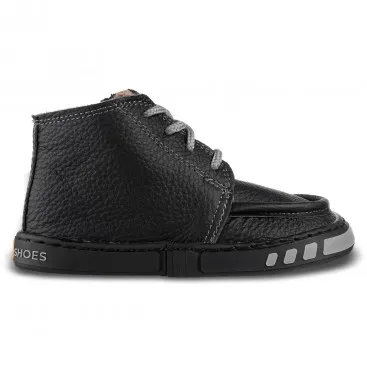

Children's Shoes for Autumn and Winter – Natural Protection and Freedom of Movement in Cooler Months
When the morning fog thickens, leaves rustle underfoot, and the first frosts remind us of the approaching winter, your child needs not only warmth but also full freedom of movement. Children's shoes for autumn and winter are more than just a wardrobe item – they are a barrier against cold and moisture, and also a foundation for the healthy development of small feet. At Magical Shoes, we create footwear that accompanies children in exploring the world even when the temperature drops and puddles turn to ice.
Our models are designed to protect but not restrict. We believe that shoes should work with the natural biomechanics of a child's body, which is why each pair is designed with maximum respect for the physiology of a growing foot.
Children's Winter Shoes – Warmth That Doesn't Mean Stiffness
In winter, it's particularly easy to compromise between insulation and freedom of movement. In classic winter footwear, children often move as if in armor – too thick soles, stiffening, and lack of flexibility restrict natural walking and disrupt motor development. We reverse this logic. Our children's winter shoes combine effective protection against cold with lightness and flexibility, allowing small feet to work as nature intended.
We use breathable, natural materials and barefoot constructions that allow full ground feel. This way, the child not only maintains proper posture but also develops balance and body awareness – even on snow and ice.
Autumn Shoes for Children – Flexibility and Resistance to Weather Caprices
Autumn is a transitional time, and thus the most demanding season for children's footwear. Cool mornings, warm afternoons, sudden downpours, wet leaves, and the first frosts – all this requires shoes to be flexible and versatile. Our autumn shoes for children are designed with these challenges in mind.
We focus on materials resistant to moisture and dirt, yet soft, pleasant to the touch, and skin-friendly. The lightweight shoe construction does not weigh down, and the wide toe space allows for natural spreading and movement. Thanks to such solutions, children do not give up outdoor activities, even when the weather is not inviting for walks.
Autumn Winter Shoes – One Pair for the Entire Transitional Season?
We often hear the question: are there shoes that work well both in autumn and winter? We answer: yes – if they are well-designed. Our autumn winter shoes are a compromise between warmth and breathability, between resistance and lightness. It's the perfect choice for days when it's hard to predict what the weather will bring.
We create models that, thanks to appropriate lining and thermoregulatory membranes, perform well in a wide range of temperatures. A child can step into a puddle, run to the playground, go to kindergarten, and return home with dry feet. It's everyday comfort and safety – without the need to change shoes with every change of conditions.
Barefoot Shoes for Children – A Natural Choice for Cold Months
Many parents still believe that barefoot shoes are only a solution for summer or home. We prove that they can be an excellent choice also in autumn and winter. We offer barefoot models that combine all the advantages of natural footwear – flexible soles, no stiffening, and anatomical shape – with the necessary warmth and water protection.
This way, your child not only develops healthily but also feels comfortable even in difficult weather conditions. It's a solution for those who value a conscious approach to development and want to give their children more than just standard protection.
Why is Flexibility a Key Element of Children's Winter Footwear?
In cooler months, it's easy to be misled by the illusion that "warm" means "stiff." Meanwhile, the proper development of your child's feet largely depends on free movement. A child's foot is not just a point of contact with the ground – it's a complex neuromuscular system responsible for balance, stabilization, and spatial orientation.
That's why it's so important that children's winter shoes are not a heavy, restrictive construction. At Magical Shoes, we believe that protection against cold can and should go hand in hand with maximum sole flexibility and softness of materials surrounding the foot. Only then does the young user maintain a natural way of walking, and their feet develop in harmony with anatomy and movement needs.
What Materials Work Best in Autumn and Winter?
When it's time to choose the perfect children's shoes for autumn and winter, material is one of the most important criteria. In our work, we follow the principle: the material should not only protect but also breathe and cooperate with the body. That's why we only use fabrics and leathers that are safe, natural, and functional – from hydrophobic leathers, through breathable linings, to thermoactive inner layers.
Autumn rains and winter thaws are everyday occurrences, so footwear must handle moisture without compromises. At the same time, it must not cause overheating – especially for an active child who can at any moment run off the sidewalk straight onto a snowy hill. Our models are an intelligent response to dynamic conditions – they keep the foot dry, warm, and well-ventilated throughout the day.
How to Choose Children's Shoes for Autumn and Winter?
Choosing children's shoes for autumn and winter is best started by considering how the child will use them daily. If the shoes are mainly for kindergarten, school, walks, and regular outings, lightweight, comfortable models that protect the foot from cold and moisture work best. In this category, it's very important that the shoe is not overly heavy, as it quickly becomes a hindrance in everyday movement.
The level of coverage is also significant. For warmer autumn and the transitional period, lighter models work well, but still more covering than low shoes. For colder days, it's worth choosing children's shoes for autumn and winter with clearly better protection against cold and wet surfaces. It's not about the shoe looking massive. It's about it working where the child really needs it.
The most important thing remains the fit. Barefoot shoes for children for the cooler months should give room for the toes, hold the foot well, and not become stiff while walking. If the child can run freely in them, bend down, climb stairs, and function normally throughout the day, it's usually a sign that the choice was made well.
Who Are Children's Shoes for Autumn and Winter For?
Children's shoes for autumn and winter are for children who need everyday footwear for the cooler months but still move a lot. It's a good category for preschoolers, school children, and younger children who already walk confidently and need shoes for regular outings, walks, playgrounds, and daily functioning outside the home.
It's also a good choice for parents who don't want to buy models that are too heavy and too stiff just because it's gotten colder. In this category, shoes for children that protect against the weather but still allow free movement work well. A child doesn't stop being active just because it's November or January. The shoe shouldn't hinder that movement either.
It's also a sensible option for children who spend a lot of time outside the home. If during the day there's a way to kindergarten or school, a walk, outdoor play, and regular daily walking, children's shoes for autumn and winter simply have to be practical. In this category, comfort for many hours matters, not just the first impression after putting them on.
When Won't Children's Shoes for Autumn and Winter Be the Best Choice?
Children's shoes for autumn and winter won't always be the best when you're looking for a model for very specific, tougher conditions. If the child is to walk mainly in deep snow, spend a long time in the frost, or needs heavily terrain footwear, it's better to look for models that are clearly more winter-oriented and prepared for such use.
Not every model in this category will be good for warmer days either. If the weather is already clearly spring-like and the temperature is rising, it's better to switch to lighter children's shoes for spring or low shoes. A model that's too warm used too long outside the season usually just results in lower comfort.
It's also worth being cautious about a situation where a parent is looking for one pair from the first chill to the end of winter without considering real conditions. This usually doesn't work perfectly. It's better to choose a model that fits the child's daily rhythm and weather rather than trying to cover the entire autumn and winter with one shoe for everything.
Comparison: Barefoot Children's Shoes for Autumn and Winter vs. Classic Children's Shoes for Cooler Months
Classic children's shoes for autumn and winter are often stiffer, thicker, and heavier. For some parents, this may look more solid, but in everyday use, it doesn't always give a better effect. Especially when the child walks a lot, runs, and simply functions normally, rather than cautiously testing the shoe like an adult customer in a store.
Barefoot shoes for children for autumn and winter are usually lighter, more flexible, and offer more room in the toes. They don't try to force the foot to move in a certain way, but rather allow it to work more naturally. In practice, this often means greater freedom of movement and fewer situations where the child wants to take off the shoes immediately after returning.
It's not about artificially opposing one category to another. It's about the fact that if you're looking for children's shoes for cooler months for normal, everyday life, the barefoot construction often turns out to be simply more comfortable and practical.
Where to Buy Children's Shoes for Autumn and Winter?
Children's shoes for autumn and winter are best bought where the manufacturer or store shows specifics. A parent should see not only the model name and photo but also the size chart, fit description, information about the season, and real application. In this category, it's important whether it's a model more for autumn, the transitional period, or for colder winter days.
It's good to choose places where the offer is organized and truly thought out. Then it's easier to distinguish light children's shoes for autumn from warmer winter models or find barefoot shoes for a child that will fit the daily rhythm, not just the general "autumn/winter" label.
In Poland, it's increasingly easy to find brands that sensibly develop this category. Magical Shoes is one of them, as children's shoes for autumn and winter are part of a coherent approach to everyday movement, simple choice, and comfort that works in the ordinary life of a child.
Recommendation from Magical Shoes
From our perspective, children's shoes for autumn and winter should primarily be comfortable, light for their season, and well-suited for everyday use. It's a category where it's very easy to overdo it with weight and stiffness, and then hope that the child somehow gets used to it. Usually, they don't get used to it. They simply start moving less willingly or complain when putting them on.
We most often recommend choosing a model according to the real daily rhythm. If the shoe is for kindergarten or school, comfort for many hours and ease of putting on matter. If it's mainly for walks, playgrounds, and active outings, freedom of movement, grip, and good fit to the foot are very important.
The best models are usually those that don't draw the child's attention. If the shoe doesn't bother, isn't too heavy, and doesn't require constant adjustment, that's usually the choice that was intended.
Autumn and Winter in Motion – Shoes That Follow the Child
In the cold months, many parents face a dilemma – to ensure warmth at the expense of freedom, or to opt for comfort and risk the child returning with frozen feet. We don't accept such compromises. When designing children's shoes for autumn and winter, we seek the golden mean: models that are as warm as necessary and as light as possible.
Thanks to the barefoot approach, our shoes become an extension of the child's foot. They allow running, climbing, jumping, and stopping in place without losing grip or comfort. They follow the movement – they don't force it. This way, your child not only feels better but also stays active longer, which is crucial for their health, development, and well-being.
Why Does Choosing the Right Footwear for Autumn and Winter Have Long-Term Significance?
Shoes for autumn and winter are an investment not only in the comfort of the current season. It's a decision that affects how movement habits are shaped, how muscles, tendons, and joints develop, and in the longer term – how the child's body posture looks. Inappropriate footwear can restrict movement, provoke compensations in gait, and lead to abnormalities whose effects will be felt throughout life.
That's why at Magical Shoes, we don't accept compromises – we design shoes with the future in mind. We combine knowledge of biomechanics, development physiology, and years of experience in producing minimalist footwear. This way, you can be sure that each pair is not only warmth and comfort but a real concern for your child's health.
Barefoot Is Not a Trend. It's a Conscious Choice for Your Child's Health
In a world full of overly stiff, too tight, and heavy shoes, barefoot is not an alternative – it's a return to naturalness. It's an approach based on understanding how a child's body really works and how important freedom is in development. A foot that has contact with the ground, that feels and works, sends signals to the brain that are crucial for balance, coordination, and proper alignment of the entire body. By depriving it of this possibility – through excess foam, arch supports, and stiff reinforcements – we disrupt something that should develop intuitively.
Barefoot shoes for children, which we create at Magical Shoes, provide freedom but don't forgo protection. It's footwear that cares for health from the ground up – literally. They help shape strong foot muscles, support the natural development of arches, and prevent deformities that unfortunately are becoming more common. Thanks to the flexible sole, appropriate width, and full fit to the anatomy of a small foot, our shoes support not only movement but also the entire posture development of your child. It's a choice that today provides comfort, and in the future – health and freedom of movement.
FAQ – Children's Shoes for Autumn and Winter
How to Choose Children's Shoes for Autumn and Winter?
It's best to start with the situations in which the child will wear them most often. If they are to be shoes for kindergarten, school, walks, and everyday outings, comfortable, lightweight models that protect against cold and moisture work best. In this category, it's not about the shoe being as massive as possible. It's about the child being able to move normally in it throughout the day.
The level of insulation and overall construction also matter. For warmer autumn, lighter models are sufficient, and for colder days, it's worth choosing children's shoes for autumn and winter with better protection against cold and wet surfaces. A well-chosen model should help in daily life, not complicate it.
Should Children's Shoes for Autumn and Winter Be Very Warm?
They should be warm enough to match daily conditions, but they don't have to be overly heavy or overloaded with layers. A shoe that's too thick doesn't always mean greater comfort. It often just offers less freedom and becomes cumbersome to wear, especially when the child walks a lot and changes activity.
It's best to look at real needs. A different model will work for regular city outings, and another for longer stays in the frost. Well-chosen children's shoes for autumn and winter should provide protection but still allow the child to move freely.
Are Barefoot Shoes for Children Suitable for Autumn?
Yes, they often work well in autumn. It's a season where the weather can be changeable, so the shoe should be comfortable, practical, and lightweight, but at the same time more covering than a summer model. Well-chosen barefoot shoes for children in autumn can work very well in kindergarten, school, on walks, and in regular daily outings.
Autumn quickly shows whether the model is a hit. If the shoe is too heavy or too stiff, the child usually lets you know immediately. That's why in this category, it's worth looking not only at seasonality but also at comfort in normal movement.
Are Barefoot Shoes for Children Suitable for Winter?
Yes, if they are models prepared for cooler conditions. In winter, the most important thing is that the shoe combines protection with comfort and doesn't lose too much of its flexibility. The child still needs freedom of movement, even if it's cold, wet, or slippery outside.
Well-designed barefoot shoes for children in winter can work well in everyday use. You just need to choose a model according to the weather and usage. Different shoes will work for the usual way to school, and others when the child spends a long time on snow and cold surfaces.
What Autumn Shoes for Children Work Best for Everyday Use?
The best are models that cover the foot well but are not overly heavy and don't restrict movement. A child needs shoes for walking, running, sitting, standing up, and changing plans every moment, so the everyday model must simply be practical. In this category, children's autumn shoes with a lightweight construction, comfortable fit, and appropriate moisture protection perform very well.
For everyday use, ease of putting on also matters. If the child is to use the shoes every morning and often independently, it's worth choosing models that don't make this ritual as challenging as mountain climbing.
What Winter Shoes for Children to Choose for Kindergarten or School?
For kindergarten and school, the best are children's winter shoes that are comfortable for many hours, easy to put on, and handle the daily way from home and back well. In this category, it's not just about warmth. It's also important that the shoe isn't too heavy and doesn't interfere with the child's normal functioning.
A well-chosen model should be suitable for everyday outings, shorter walks, and regular movement during the day. If the child is to be active in it, not just stand still, comfort really matters more than just the thickness of the shoe.
Do Autumn Winter Shoes Make Sense?
Yes, if we're talking about models for the transitional period or conditions where it's hard to clearly define the season. Autumn winter shoes make sense when you need something between a light autumn shoe and a full winter model. It's a good option for late autumn, early winter, or days when the weather keeps changing.
Such a model can be very practical if the child needs one comfortable pair for everyday outings. It's just important not to expect everything from it at once. A transitional shoe works well in its range but doesn't have to replace every other category.
Should Children's Shoes for Autumn and Winter Be Light?
Yes, even in this category, lightness is very important. A child quickly feels the weight of the shoe, and if the model is overly massive, everyday movement simply becomes less comfortable. For cooler months, protection is needed, but not at the cost of normal walking.
Light children's shoes for autumn and winter usually perform better in regular use. The child can move more freely in them, and the shoe puts less strain on the foot and doesn't give that unpleasant feeling that each leg suddenly weighs two kilograms more.
Do Children's Shoes for Autumn and Winter Have to Be Flexible?
It's good if they are flexible enough not to restrict the natural movement of the foot more than necessary. In cooler months, it's easy to find very stiff models that are meant to look solid but in practice turn out to be simply uncomfortable. A child still needs a shoe that cooperates with movement.
Flexibility doesn't mean a lack of protection. It simply means that the shoe doesn't stiffen the foot unnecessarily. In everyday walking, this really makes a difference, especially when the child moves a lot despite the cooler weather.
How to Choose the Size of Children's Shoes for Autumn and Winter?
It's best to measure the child's foot and compare the result with the size chart of a specific model. In this category, you need to consider not only the size but also that the foot works in motion, and the shoe should give some room without losing comfort. It's not worth guessing or relying solely on the number from the previous season.
It's also good to look at the width and shape of the front. In children's shoes for autumn and winter, it's important not only that the model has the right length but also that it doesn't squeeze the toes and doesn't become too tight with longer wear.
How Much Extra Space Should Children's Shoes for Autumn and Winter Have?
They should have enough extra space to give the child freedom but not worsen walking stability. It's safest to rely on the actual foot measurement and the manufacturer's recommendations for a specific model. Too little extra space can restrict movement, and too much will simply be uncomfortable and may hinder everyday walking.
In this category, it's easy to overdo it with the thinking "for a thicker sock and growth." Common sense usually works better. A well-chosen shoe should support the child now, not be an experiment for one and a half seasons.
Is It Worth Buying Children's Shoes for Autumn and Winter Larger for Growth?
It's not worth overdoing it. Shoes that are too large for autumn and winter can reduce comfort, stability, and make the child move less confidently. It's a common mistake because everyone wants to buy sensibly, but in practice, a model that's too large rarely turns out to be a good idea.