 PL
PL
 EN
EN
 DE
DE
 CS
CS
 ES
ES


Children’s barefoot shoes for toddlers (18–23)


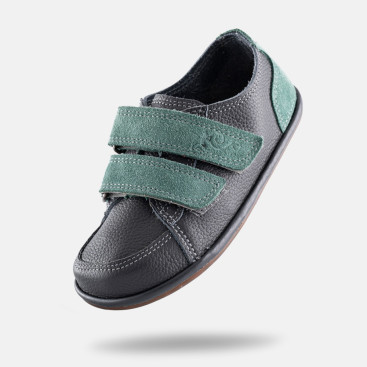
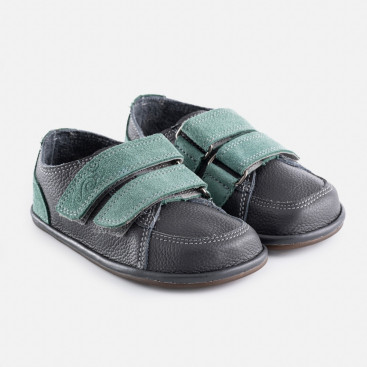
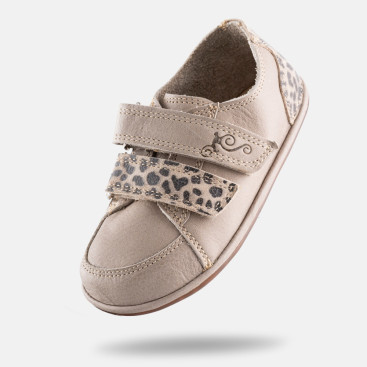
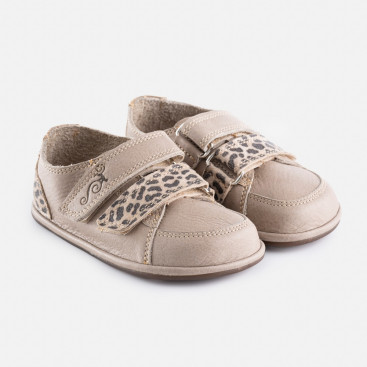
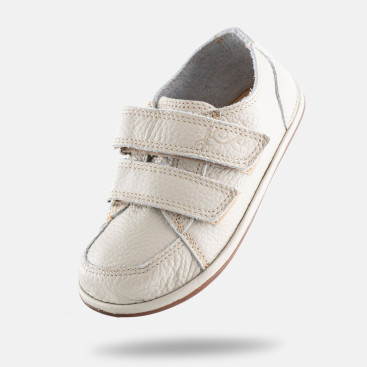
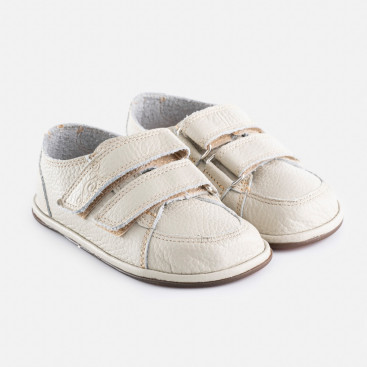
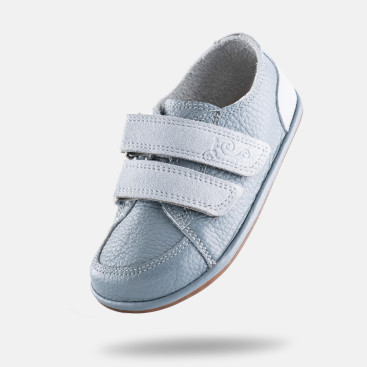
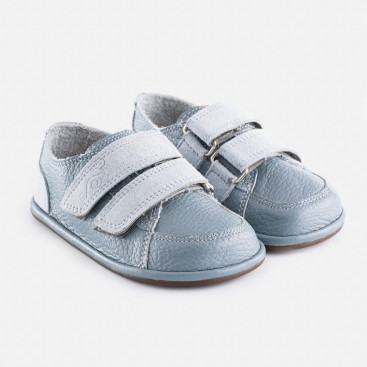
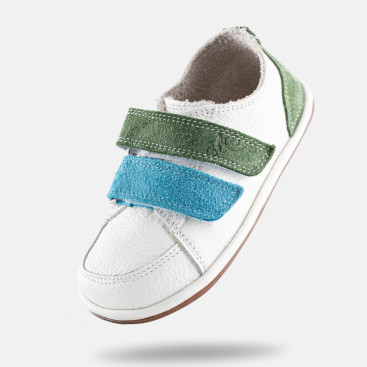
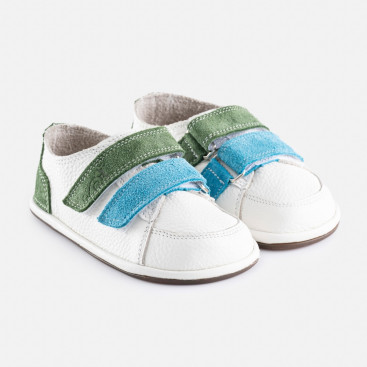
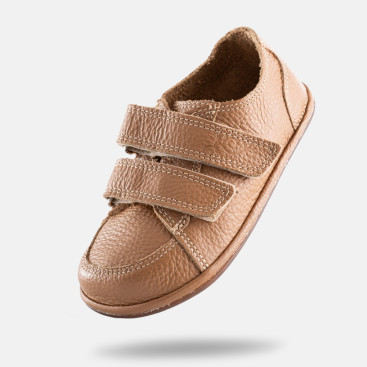
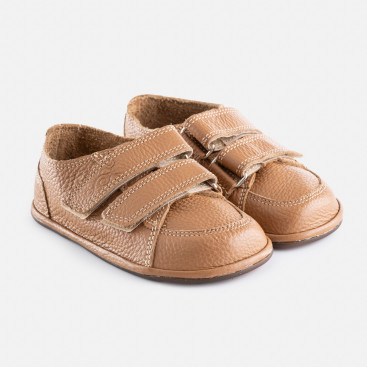
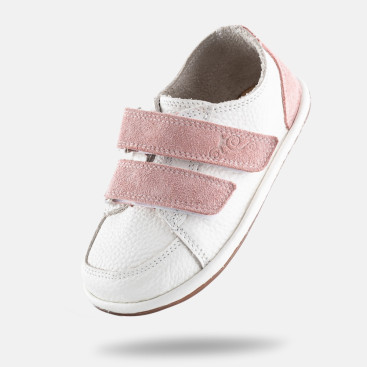
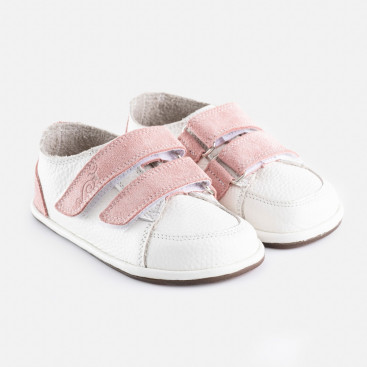


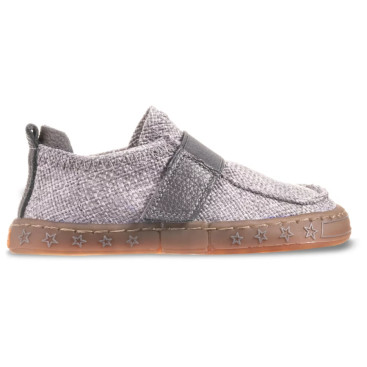

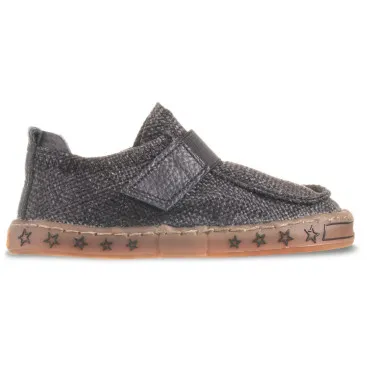
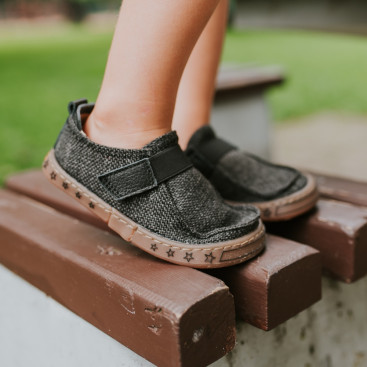
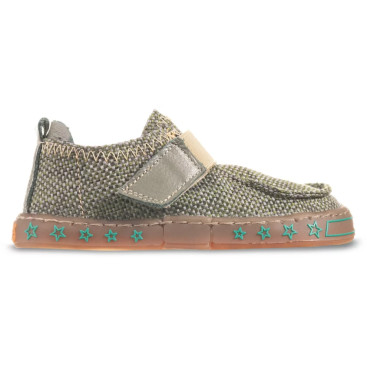

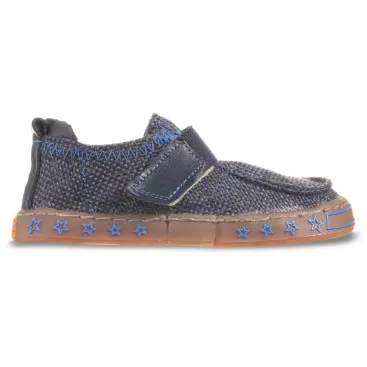

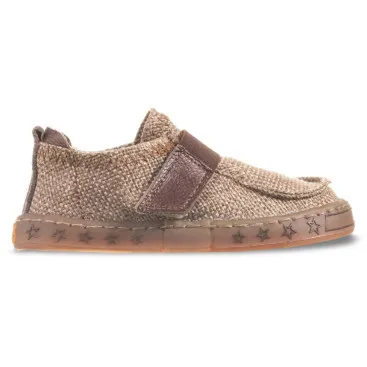


Shoes for Toddlers Learning to Walk (Sizes 18–23)
You are facing one of the most important challenges in your child's development – choosing their first shoes that will support their first steps, balance, and natural motor skills. In this category, you'll find shoes for toddlers in sizes from 18 to 23, designed with those special moments in mind when your little one is learning to walk, exploring the world, and needs footwear that won't be an obstacle – but an ally.
First Shoes – Foundation of Healthy Development
Your child doesn't need shoes to start walking. They need them when they take their first steps outside, on surfaces that require protection and cushioning. Therefore, the first shoes should be like a second skin – soft, light, flexible, and adapted to the delicate structure of a child's foot. In our "baby" category, you'll find shoes designed to accompany your child in this breakthrough stage without limiting their natural development.
Naturalness Above All – The Philosophy of Barefoot Shoes
We believe that a child's feet know how to develop – they just need not to be hindered. That's why our shoes are based on the barefoot concept, which is the idea of getting as close as possible to walking barefoot. A thin but durable sole allows free toe movement, supports arch development, and lets the child feel the ground, which is crucial for proper balance and spatial orientation. Thanks to this, putting on our shoes doesn't become a compromise but a natural extension of the child's activity.
Sizes 18–23 – The Key to Precise Fit
For children learning to walk, every millimeter matters. That's why the footwear in our category includes sizes from 18 to 23, allowing for a perfect fit not only to the length of the foot but also to its shape and growth pace. A well-chosen size prevents chafing, allows free toe movement, and eliminates the need for artificial stiffening. By choosing our children's shoes, you can be sure your child moves safely, comfortably, and in harmony with their body's natural rhythm.
Children's Shoes Created with Attention to Detail
Every detail in our models responds to the needs of a developing foot. The inside of the shoe is free of hard seams, and the soft upper adapts to the shape of the leg without pressing or restricting movement. Fastenings allow for quick adjustments, and breathable materials ensure proper thermoregulation. These are not random details – they are the result of years of work on creating footwear that harmonizes with the child's body, not corrects it.
Why Are Our Toddler Shoes Different?
As a manufacturer with a passion and mission to support healthy development, we don't take shortcuts. Our toddler shoes are created with their biomechanical needs in mind, not just aesthetic ones. We don't copy solutions – we design them from scratch, consulting every stage with physiotherapists and parents. As a result, we create footwear that not only looks good but – most importantly – works for the health and freedom of movement of your child.
Footwear for Children Who Feel Free
This is not just a product category. It's a space where you'll find footwear that supports children's curiosity, spontaneity, and need for movement. Whether your little one is just starting to stand or already confidently taking steps, properly chosen shoes are an integral part of their development. Every pair you find here is designed to support these moments – without restrictions, without compromises, without unnecessary weight.
Support for Motor Development Through Natural Foot Movement
Every step your child takes is a signal to their nervous, muscular, and skeletal systems. By choosing the right footwear, you not only protect their feet from cold or injuries – you actively influence how their coordination, balance, and body awareness develop. Our walking shoes in sizes 18–23 are designed to support this development, not limit it. A soft, flat sole doesn't force unnatural walking patterns, and flexible materials allow the foot to work as if it were barefoot. Thanks to this, the child learns to move in harmony with their anatomy, and their body builds a solid foundation for future physical activity.
Children's Shoes That Work in All Conditions
We know that children don't divide the day into "inside" and "outside" – for them, the whole world is one big playground. That's why our shoes are prepared for various scenarios: from first steps on the home carpet, through forest walks, to urban adventures with a parent. Their lightness doesn't burden the legs, and the flexibility of the sole ensures stability even on uneven terrain. Additionally, the materials they are made from allow the foot to breathe, preventing excessive sweating and chafing. Regardless of the weather or surface – our children's shoes remain an ally of every little explorer.
Everyday Comfort and Ease of Use for Parents and Children
We also understand your perspective as a parent – everyday life with a small child can be intense. That's why we ensured that putting on shoes is quick, intuitive, and without unnecessary complications. Soft Velcro fastenings or elastic bands allow for quick adjustments, and wide foot openings make it easy to slip on the shoe without tugging and frustration. Moreover, easy-to-clean materials mean that maintaining the footwear in good condition doesn't require special treatments. By choosing our shoes, you choose convenience – not only for the child but also for yourself.
Barefoot Shoes – More Than a Trend, a Conscious Choice
Although the term barefoot may sound like a trend today, for us, it's a design philosophy. We don't copy trends but create footwear that genuinely impacts the quality of life for the youngest. In our category for children learning to walk, barefoot is not just a thin sole – it's a comprehensive approach to designing shoes that consider the child's biomechanics, physiology, and sensory needs. By giving your little one the freedom to move in the most natural way possible, we create the foundations for a healthy, free childhood – one where you don't have to choose between protection and freedom.
Children's Shoes That Grow with Your Child
The period from size 18 to 23 is a dynamic time – not only physically but also emotionally. The child not only starts walking but also exploring, climbing, kneeling, balancing. Our shoes accompany them during this time, adapting to the growing foot and changing needs. Thanks to precise craftsmanship and thoughtful details, every shoe in this category not only protects but also "teaches" – giving the young organism feedback necessary for learning movement and independence.
How to Choose Shoes for Toddlers Learning to Walk?
Choosing shoes for toddlers learning to walk is best started by considering where the child will use them most often. If they are to be the first shoes for outings, walks, short daily routes, and ordinary exploration of the world outside the home, lightweight, soft, and flexible models work best. In this category, the most important thing is that the shoe doesn't hinder movement and doesn't turn the foot into a small armor.
The construction also matters a lot. Good shoes for learning to walk in sizes 18–23 should give the child freedom in the toes, hold the foot well, and not be too heavy. This is the moment when the little one is just learning balance, shifting body weight, and controlling movement, so every unnecessary gram and stiffness make a difference.
In practice, models that are close to the natural work of the foot work best. If the child can freely take steps, stand up, sit down, squat, and move without noticeable resistance, it usually means the choice is going in the right direction. First shoes should help with movement, not force the child to struggle with the footwear.
Who Are Shoes for Toddlers Learning to Walk For?
Shoes for toddlers learning to walk are for little ones who are starting to take their first independent steps outside or are at the stage of intensively developing walking. This category is created for children who need foot protection outside but still should have as much freedom of movement as possible.
This is a very good choice for parents looking for the first shoes in sizes 18–23 and want to approach the topic sensibly. At this stage, it's not about a fashionable design or making the shoe look "serious." It's about comfort, simplicity, and good conditions for learning to walk.
It's also a suitable category for children who explore a lot, quickly transition from crawling to walking, and need shoes for short outings, walks, playgrounds, or everyday functioning outside the home. Well-chosen children's shoes at this time simply support development without making a big fuss about their presence.
When Are Shoes for Toddlers Learning to Walk Not the Best Choice?
Shoes for toddlers learning to walk are not the best choice when the child doesn't yet need footwear outside. If the little one mainly crawls, stands by furniture, or moves only on safe indoor surfaces, often walking barefoot or in soft non-slip socks works better. Shoes make sense when they are genuinely needed.
It won't be the best category if you're looking for immediately winter-specific or heavily outdoor shoes. Sizes 18–23 and the stage of learning to walk have their own rules. Here, lightness, simplicity, and support for natural movement are more important than turning the first shoe into equipment for every weather and adventure.
It's also worth being cautious about the temptation to buy the first shoes too early or with a large reserve. In this category, a model that's too large usually doesn't provide more comfort, just more chaos in movement. And the child already has enough things to handle without the additional challenge of a poorly fitting shoe.
Comparison: Barefoot Shoes for Learning to Walk vs. Classic First Shoes
Classic first shoes are often more rigid, more enclosed, and meant to give the impression of being very stable. For some parents, this looks safer because the shoe seems solid and "proper." The problem is that at the stage of learning to walk, such construction doesn't always help. Sometimes it just hinders the child's natural movement.
Barefoot shoes for toddlers are usually lighter, more flexible, and give more room in the toes. They don't try to lead the foot by force. Instead, they allow it to work more naturally. For the child, this usually means greater freedom when standing up, walking, and maintaining balance.
It's not about creating an artificial division where one solution always wins. It's more about the fact that if the goal is first shoes supporting learning to walk, the barefoot construction very often proves to be more practical and less obstructive to the child in what they are learning.
Where to Buy Shoes for Toddlers Learning to Walk?
Shoes for toddlers learning to walk are best bought where the manufacturer or store shows specifics. In this category, the lengths of the insoles, fit description, width information, and clear indication that the model is intended for children at the stage of first steps are really important. There's no room for guessing here.
It's also good to choose places where sizes 18–23 are not just an addition to the entire offer but a genuinely thought-out category. Parents should have the opportunity to calmly compare models, check the size chart, and assess whether a given shoe makes sense for the specific stage of the child's development.
In Poland, it's becoming easier to find brands that consciously develop this category. Magical Shoes is one of them because first shoes and barefoot shoes for toddlers are part of a coherent approach to natural movement, simple choice, and everyday comfort.
Recommendation from Magical Shoes
From our perspective, shoes for toddlers learning to walk should be primarily lightweight, soft, and well-fitted. This is not the time for overly complicated constructions. The child is just learning movement, so the footwear should make this process easier, not add new difficulties.
We most often recommend choosing models based on real needs. If the shoe is for first walks and daily outings, lightness, good flexibility, and easy putting on are important. If the child quickly transitions from crawling to walking and moves a lot, freedom of movement and lack of unnecessary stiffening are even more important.
The best first shoes are usually those that don't draw attention to themselves. If the child moves naturally in them, doesn't try to take them off, and doesn't look like they're struggling with every step, it's usually a sign that everything is working as it should.
FAQ – Shoes for Toddlers Learning to Walk
What Shoes for Toddlers Learning to Walk to Choose?
It's best to choose lightweight, soft, and flexible models that don't hinder the natural movement of the foot. At the stage of first steps, the child is just building balance, coordination, and confidence in walking, so the shoe shouldn't be overly stiff or heavy. Good first shoes should provide protection outside but not take away the child's freedom of movement.
In practice, shoes that hold the foot well, have enough room in the toes, and don't restrict movement with every step work best. If the model looks like a miniature adult shoe and is equally stiff, it's usually not the best direction for a toddler learning to walk.
When to Buy the First Shoes for Learning to Walk?
The first shoes are worth buying when the child starts walking independently outside or needs foot protection outside. At home, if conditions are safe, the little one often develops best barefoot or in soft non-slip socks. Shoes shouldn't appear just because "it's time."
This is important because putting on shoes too early doesn't provide special benefits and can simply introduce unnecessary difficulties. First shoes should appear when they are genuinely needed, not when they look good in a photo.
What Are the Best First Shoes for a Child?
The best first shoes are those that interfere as little as possible with the child's natural movement. They should be lightweight, soft, flexible, and well-fitted. It's also important that they provide room for the toes and don't stiffen the foot more than necessary.
At this stage, the effect of a "solid shoe" doesn't matter, only whether the child can move freely in it. Good shoes for learning to walk should support the first steps, not make them an additional task to accomplish.
Are Barefoot Shoes Good for Toddlers Learning to Walk?
Yes, very often they work particularly well in this category. Barefoot shoes for toddlers are usually lighter, more flexible, and provide more room in the toes than classic first shoes. This allows the child to move more naturally and better feel the ground.
This is especially important when the little one is just building stability and learning to control their body in motion. If the shoe doesn't restrict but works with the foot, it's simply easier for the child to move.
Should a Child Learn to Walk in Shoes or Barefoot?
If conditions allow, a child learns to walk best barefoot. At home, on a safe surface, such contact with the foot and ground is very natural and supports motor development. Shoes are needed when there is a need to protect the foot outside or on colder, harder, or less predictable surfaces.
Therefore, the first shoes should be as close as possible to the natural work of the foot. They don't replace walking barefoot, only sensibly support the child when the shoe actually becomes necessary.
How to Choose the Size of Shoes for Toddlers in Sizes 18–23?
It's best to measure the child's foot and compare the result with the size chart of the specific model. In this category, it's really not worth buying by eye, because even a small difference can make a big difference in comfort and quality of movement. A well-chosen size should provide some room but not be overly loose.
In sizes 18–23, it's especially important that the shoe doesn't squeeze the toes and doesn't move too much on the foot. The child is just building a walking pattern, so fit matters much more here than in older children.
How Much Room Should the First Shoes Have?
They should have enough room to give the child freedom but not worsen stability while walking. It's best to follow the specific foot measurement and the manufacturer's recommendations for the model. Too little room can restrict movement, and too much will make the child move less confidently.
In this category, excess usually doesn't pay off. First shoes shouldn't be bought "for a long time," but for a well-fitted stage of development. Otherwise, the shoe instead of helping, just starts to hinder.
Is It Worth Buying the First Shoes Bigger for Reserve?
Not really. For children learning to walk, a shoe that's too big is rarely a good idea. It can worsen stability, cause less confident steps, and make the child feel worse in motion. At this stage, it's better to focus on a good fit than trying to stretch one purchase for too long.
This is one of those situations where sensible "for reserve" easily turns into "too big and uncomfortable." And the little one won't pretend everything is fine just to make the household budget feel better.
Should the First Shoes Be Stiff?
No, they shouldn't be overly stiff. At the stage of learning to walk, the child needs a shoe that allows the foot to work, not locks it in a rigid structure. A too-hard sole or too-stiff upper can simply hinder natural movement.
Good shoes for learning to walk should be flexible enough to support ordinary daily movements. The child already has a lot to handle. There's no need to add resistance in a shoe that was supposed to help.
Should Shoes for Toddlers Be Lightweight?
Yes, definitely. Lightness is very important because the child initially reacts to every additional weight. If the shoe is too heavy, it can simply make walking, standing, and maintaining balance more difficult. In this category, less really means better.
Lightweight children's shoes usually work better in everyday use. The child gets used to them faster and moves more naturally in them. That's exactly what's needed for the first steps.
Should Shoes for Learning to Walk Have a Lot of Room in the Toes?
Yes, it's very important. The child needs room for the toes to work freely when taking steps, maintaining balance, and changing direction of movement. A too-narrow front of the shoe is a bad idea even for adults, and even more so for a small child.
Good shoes for learning to walk should give the toes space but still be well-fitted in the rest of the foot. It's about comfort and natural movement, not the effect of "more space everywhere."
Do Shoes for Toddlers Need to Have a High Upper?
They don't have to. A high upper doesn't automatically make a shoe better for learning to walk. What's much more important is whether the model is light, flexible, and well-fitted. Many children do much better in shoes that don't unnecessarily stiffen the ankle area.
If the model holds the foot well and doesn't slip during movement, the height of the upper isn't crucial. For the first steps, supporting natural movement is more important than creating the impression of a "proper shoe" for adults.
Are Barefoot Shoes for Toddlers Suitable for Everyday Use?
Yes, they are a very good option for everyday use outside. If the model is well-fitted and adapted to the conditions, it can work great on walks, playgrounds, short outings, and ordinary daily life. Barefoot shoes for toddlers often show that they are simply comfortable in such situations.
The child doesn't need a separate footwear system for every small scenario. They need a shoe that works when it really needs to be worn. In this role, good barefoot shoes often prove to be simply sensible.
Can You Buy Used Shoes for Learning to Walk?
You can, but caution is needed. First shoes quickly adapt to the walking style of a specific child. If the model is already clearly worn, bent, or unevenly worn out, it may not work well on the foot of the next little one. In this category, fit and shoe condition really matter.
If you're considering used shoes, they should be in very good condition and without noticeable deformations. In practice, however, many parents prefer to buy a new pair to ensure the child starts with something well-fitted.
Is It Worth Buying Shoes for Toddlers Online?
Yes, but it's worth checking the size chart and insole length carefully. It's also good to pay attention to the possibility of return or exchange, as fit is crucial for first shoes. Online shopping makes sense when the model description is specific and allows you to assess whether the style is really suitable for a child learning to walk.
It's best to buy where the manufacturer shows not only the appearance of the shoe but also real information about fit, flexibility, and model purpose. This greatly facilitates the choice and saves from later correcting decisions.