 PL
PL
 EN
EN
 DE
DE
 CS
CS
 ES
ES


Children’s barefoot shoes for different ages


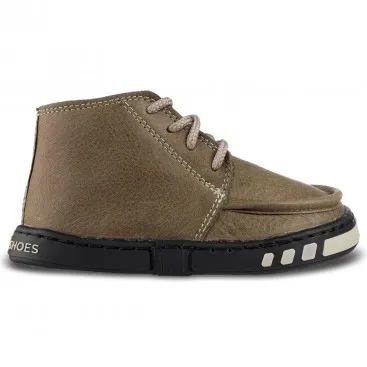


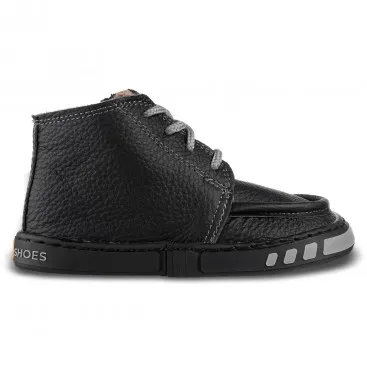


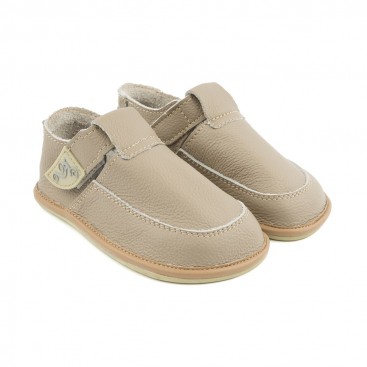

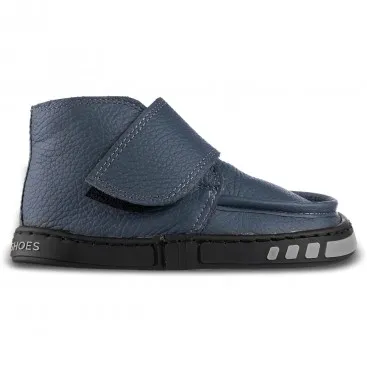


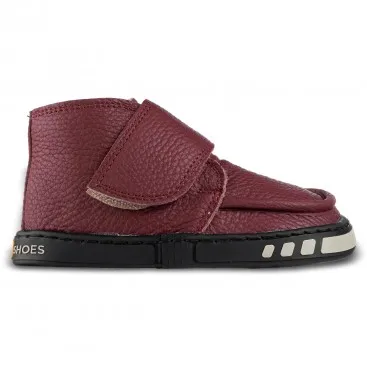


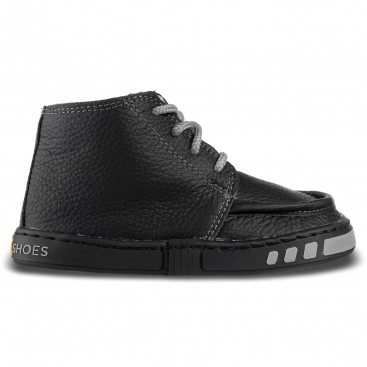

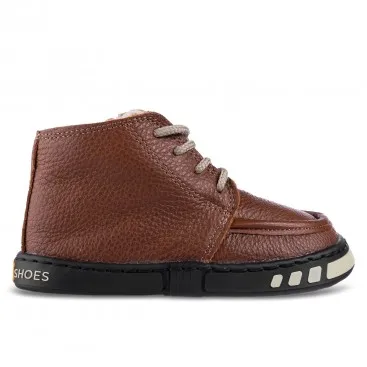

Children's shoes selected according to the child's age – how to wisely support foot development from the first steps
Choosing the right children's shoes is one of the most important decisions you make as a parent. It's not just about comfort or aesthetics – the key is support for the proper development of the foot, which changes dynamically with the child's age. At Magical Shoes, we understand that each phase of childhood requires a different type of footwear. That's why we create children's shoes selected according to the child's age, which not only protect but also support natural development – from the first attempts at taking steps to intense school and sports activities.
Natural development of a child's foot – the foundation of healthy posture
A child's foot is not a miniature of an adult's foot – it is a unique structure whose bones, muscles, and ligaments mature over the years. In the first months of life, feet are soft, flexible, often covered with a layer of fat, and lack distinct arches. Every step, every movement, every change of position affects their development. If at this stage you use improper footwear – too stiff, too narrow, or forcing unnatural foot positioning – you may disrupt this process forever.
Our mission is to create footwear that adapts to the child's needs, not the other way around. Our shoes – from models for infants to options for preschoolers and older children – meet specific developmental needs, not just aesthetic criteria.
First shoes for a child – when and what to choose?
The moment a child starts taking their first steps is a time of special care. That's when it's worth reaching for shoes for the child that provide maximum freedom of movement while securing the foot in case of contact with harder surfaces. Unlike stiff models with high uppers that limit ankle joint mobility, our footwear maintains full flexibility – allowing the child to naturally roll the foot while walking.
During this period, we especially recommend barefoot shoes, which like no other support physiological development. A thin, soft, and abrasion-resistant sole, lack of unnecessary stiffening, appropriate toe width – these are the elements that make a difference. Thanks to this, the toddler has full contact with the ground, learns balance, and builds strong foot muscles. It's the closest possible experience to walking barefoot, but with the protection that a developing foot needs.
Footwear for preschoolers – when movement becomes everyday
Children aged 2–5 are real energy volcanoes. In this phase, they not only walk – they run, jump, climb, explore every corner of the world. Footwear must keep up with their pace. There is still no room for compromise – here both durability and precision of fit count.
Our children's shoes for preschoolers combine lightness and durability with a flexible construction. Each model is created with the physiology of the foot at this age in mind – we care about the correct shape of the toe, appropriate space for the toes, breathable materials, and ease of putting on. Shoes should not restrict the child, but only support natural movement. And that's exactly what our proposals do – they allow your child to be themselves, without limitations, with full comfort.
School age and further development – when feet need support and freedom
With the start of education, not only does the child's lifestyle change, but so do the needs of their feet. Long hours spent sitting, carrying a backpack, first sports activities – all this affects the biomechanics of walking and burdens the musculoskeletal system. Shoes must meet new challenges.
Our footwear for school-age children is not a compromise between style and functionality – it's conscious support for development. These models offer durability, stability, but do not abandon the barefoot idea. Thanks to this, the child does not forget what natural movement is, and their feet continue to develop without obstacles. We enable free bending of the sole, feeling the ground, and dynamic foot rolling – even if the school reality forces longer stays in closed shoes.
Why is choosing shoes according to the child's age crucial?
Each stage of childhood brings different challenges for the feet – and any poorly chosen footwear can exacerbate them. From incorrect toe positioning, through heel overload, to improper posture of the whole body – the effects can be long-term. By choosing children's shoes according to the child's age, you not only invest in comfort but above all in health – of the spine, knees, hip joints, and the entire musculoskeletal system.
At Magical Shoes, we have always had one assumption – every child deserves footwear that allows them to move as nature intended. We don't modify movement – we support it. And this is only possible when shoes grow with the needs of the feet.
Children's barefoot shoes – perfectly suited to the stage of foot development
In our offer, you will find children's barefoot shoes, which we divide according to the size and stage of the child's development, to provide maximum support at every phase. For the youngest toddlers, we have prepared the Baby line (18–23) – created with delicate feet taking their first steps in mind. A soft, flexible sole, lack of stiffening, and maximum freedom of movement are the foundation of this collection. The next stage is Kid (24–29) – models for active children who already walk confidently and explore the world daily. Here barefoot properties go hand in hand with durability and comfort. For older children, we have created the Junior line (30–35) – shoes that combine barefoot functionality with the solidity needed for more intensive use, also at school or in the playground.
Subcategories of children's shoes – find the perfect model for your child
To make your choice easier, we have prepared an intuitive division of our offer into clear subcategories. In the Children's barefoot shoes section, you can see the entire collection, and if you're looking for something specific, check out one of the subsections. Here you will find classic everyday shoes, airy sandals for warmer days, functional loafers and sneakers, as well as sturdy autumn and winter shoes for cooler months. For families choosing a planet-friendly lifestyle, we recommend the vegan line. Preschool children will appreciate comfortable preschool slippers, and the youngest needing support in their first steps will find suitable walking shoes here. For little fashionistas, we have also prepared ballerinas for girls, which combine barefoot comfort with a subtle form.
Children's shoes for every season
Choosing children's footwear should be adjusted not only to the child's age but also to the season. In the Spring/Summer section, you will find light and airy models ideal for warmer months – they provide excellent ventilation and comfort even on hot days. The Autumn/Winter collection, on the other hand, offers protection against cold and moisture – without compromises on barefoot construction. We offer insulated shoes with a flexible sole that care for the warmth of the foot without restricting its natural movement. Thanks to this, your child can enjoy freedom all year round, regardless of the weather.
How to choose children's shoes according to the child's age?
Choosing children's shoes according to the child's age makes sense only when real consideration of the developmental stage and daily needs accompanies the mere metric. Age is a good starting point, but it doesn't work like an automatic system. Two children of the same age may move differently, have different foot shapes, and need slightly different models. Therefore, it's best to treat the age division as a practical map, not a rigid rule.
For the youngest, the most important thing is that the shoe doesn't interfere. If the child is just starting to stand, walk by furniture, and take their first independent steps, they need lightweight, very flexible, and well-fitting footwear. In preschool age, intense daily activity is added, so the shoe should still be free but also resistant to much more demanding use. In school age, the importance of versatility, durability, and comfort for a long day outside the home grows.
The most sensible choice is to select shoes as you would choose a good tool: for a specific task, stage, and conditions. In the children's category, age helps narrow down the choice, but you always need to look at foot length, width, season, and how the child functions every day.
Who are children's shoes selected according to the child's age for?
This category is for parents who want to choose children's footwear more consciously and not look for one model "for all children." It's a very practical division because it helps quickly find your way among shoes for toddlers, preschoolers, and older children without mixing completely different needs into one group.
It's also a good category for those who see that a child's foot changes with age and that what worked a year ago may no longer be the best choice today. Parents of the youngest children usually look for first walking shoes, parents of preschoolers want comfortable and lightweight models for daily movement, and with school children, the question of durability, comfort, and fit for the whole day arises more often.
In practice, it's a category for those who want to buy smarter, not just faster. It works particularly well when a parent doesn't want to drown in too wide an offer but needs a sensible division from which they can really start.
When is the age division not enough?
The age division helps a lot, but it doesn't solve everything. It's important because it's easy to fall into the trap of thinking that since a child is a certain age, every model in that group will automatically be good. But that's not how it works. Children differ not only in height but also in foot length and width, activity, walking style, and development pace.
Age also doesn't replace precise measurement. A parent can enter the appropriate age group but still needs to check the size chart, allowance, and whether a given model really fits the specific child's foot. This is especially important with barefoot shoes, where toe freedom and good foot positioning are really significant.
It's also worth remembering that the age division doesn't replace seasonality. A preschool child needs different shoes in summer, different in autumn, different for preschool, and different for snow. Age organizes the choice, but it doesn't replace thinking about daily use.
Comparison: division of children's shoes by age vs. "gut feeling" choice
Choosing children's shoes "by gut feeling" usually looks the same. A parent looks at whether the model is nice, seems comfortable, and whether the child more or less fits their foot inside. This method can be quick, but it often ends with buying a shoe that doesn't fit the stage of development or the child's real needs.
The age division works much more sensibly because it immediately narrows the choice to models designed with a specific way of moving in mind. A child learning to walk needs a different shoe than an older child who spends half the day running. It's not a cosmetic difference. It's a difference in construction, flexibility, height of the build, way of holding the foot, and how the shoe works in motion.
That's why such a division isn't a marketing addition. It's simply a practical way for a parent not to have to guess from scratch. It doesn't solve everything, but it gives a sensible start and organizes the choice much better than buying "because they seem okay."
Where to buy children's shoes selected according to the child's age?
Children's shoes selected according to the child's age are best bought where this division makes sense and is backed by real knowledge about children, not just a size division into several tabs. In this category, very specific things matter: the stage of development, model purpose, size chart, way of measuring the foot, and clear demonstration of how models for the youngest, preschoolers, and older children differ.
More and more parents are searching for phrases like children's shoes by age, first shoes for a child, shoes for a child learning to walk, barefoot shoes for preschoolers, children's shoes for older children, or children's shoes Baby Kid Junior. This shows that parents want not only to buy a shoe but also to understand what the child really needs at a given stage. That's why it's worth choosing brands and stores that explain this division, not just use it as a label.
In Poland, there are brands that develop such an offer layout very logically. One of them is Magical Shoes, where the Baby, Kid, and Junior categories help match the model not only to the size but also to the age, stage of development, and daily functioning of the child.
Recommendation from Magical Shoes
From our experience, the best approach with children is a combination of two things: looking at age and looking at the specific child. The division into stages helps a lot because it organizes the choice and allows not to throw all models into one bag. But ultimately, what always wins is how the shoe works on the foot of a specific toddler or older child.
For the youngest, we recommend thinking as simply as possible. The shoe should be light, flexible, and not interfere. For preschoolers, the most important thing is the combination of freedom with resistance to an intense day. For older children, it also matters that the model withstands school, play, walks, and the daily rhythm without constant adjustment or changing footwear.
The best choice is not the one that sounds best in the description, but the one that the child practically doesn't notice on their foot. If they can move normally in it, run, sit on the floor, climb, and return home without complaining, that's usually when you know the shoe was chosen well.
What shoes are best for an infant?
For an infant, the best shoes are very light, soft, and flexible, but only when footwear is actually needed, for example, outside the home. At the stage when the child is not yet walking independently, the most important thing is that nothing restricts the natural work of the foot.
What shoes to choose for a child learning to walk?
The best are lightweight, flexible, and well-fitting models that don't interfere with building their own way of moving. For a child learning to walk, more important than "stiffening" is that the shoe doesn't take away their sense of movement and doesn't block the foot.
What first shoes for a child will be the best?
The first shoes should primarily not interfere. This means a light construction, good flexibility, and the right amount of space in the toes. In practice, many parents are looking for first barefoot shoes because this category well responds to the needs of toddlers at the beginning of independent walking.
From when should a child wear shoes?
Shoes are needed when the child starts moving independently in conditions that require foot protection, especially outdoors. At home, if conditions are safe, often the best solution remains free movement without heavy footwear.
What shoes to choose for a one-year-old child?
For a one-year-old child, the most important thing is what stage of movement they are really at. If they are just learning to walk, it's worth choosing very soft and lightweight models. If they are already walking more confidently, you can look at more everyday styles, but still without heavy and stiff construction.
What shoes will be best for a two-year-old?
A two-year-old is usually very active, so they need lightweight, comfortable, and resistant shoes for an intense day. At this age, everyday models that allow the child to run a lot, turn, and change pace without fighting the shoe work well.
What shoes to choose for a preschooler?
For a preschooler, it's best to choose models that combine freedom of movement with durability. A child at this age is practically always on the move, so the shoe can't be heavy or too delicate. It must work well throughout an active day.
What shoes will be best for a school-age child?
In school age, the best models are comfortable, durable, and withstand a longer day outside the home. The child needs a shoe that will work not only in classes but also after school, on walks, playgrounds, and in everyday life.
Do children's shoes need to be selected according to age?
Age is a very good starting point, but not the only criterion. It helps organize the choice, but you always have to consider size, foot width, child activity, and season. Age alone is not enough, but it greatly facilitates finding the right group of models.
Why does choosing shoes according to the child's age matter?
Because an infant has different needs, a child learning to walk has different needs, a preschooler has different needs, and an older child has different needs. It's not just the foot size that differs, but also the way of movement, loads, and daily activity. A well-designed age division helps match the shoe to this stage.
Can children of the same age need different shoes?
Yes, definitely. Age organizes the choice, but it doesn't work as a rigid rule. Two children of the same age can have completely different foot shapes, development paces, and walking styles, so ultimately, specific fitting always matters.
How to choose the size of children's shoes according to age?
The size is not chosen based on age, but on the actual measurement of the foot. Age helps enter the appropriate group of models, but the size always needs to be checked separately. The most important are foot length, allowance, and width fitting.
How much allowance should children's shoes have?
The allowance should give the child freedom, but it can't be too large. It's best to rely on foot measurement and the manufacturer's chart because a well-fitted shoe should work in everyday movement, not just look good when put on.
Should children's shoes be bought with a large allowance?
No, it's usually a bad idea. A shoe that's too large can worsen stability and hinder the child in normal movement. It's better to buy a model suited to current needs than to try to "solve" one purchase for too long a period.
How often should you check if the child's shoes are still good?
It's worth doing it regularly because a child's foot grows quickly, and the child won't always say that the shoe is already too small. With intense growth, it's good to control the fit often, instead of waiting until the model clearly starts to squeeze.
Can a child wear shoes after an older sibling?
Sometimes yes, but only if the shoe is in really very good condition and is not clearly shaped to the previous child's foot. In practice, with intensively used children's footwear, you have to be careful because the way of walking leaves a real mark on the shoe.
Are barefoot shoes good for children of all ages?
In many cases, yes, that's why the division into Baby, Kid, and Junior stages works so well. Barefoot doesn't mean one model for all children, but a way of designing that can be adapted to different stages of development.
Are barefoot shoes good for infants?
They can be a good choice when footwear is actually needed. In this group, the most important is lightness, softness, and not interfering with the foot. That's why parents of the youngest children often look for barefoot models.
Are barefoot shoes good for preschoolers?
Yes, very much so. In preschool age, the child is exceptionally active, and barefoot shoes often respond well to the need for freedom, lightness, and comfort in everyday movement.
Are barefoot shoes good for older children?
Yes, if the model is well-fitted to age, size, and activity. For older children, the importance of durability and versatility grows, but it's still very important that the shoe doesn't unnecessarily restrict foot movement.
What children's shoes do physiotherapists and orthopedists recommend?
The most commonly recommended are models that don't squeeze the foot, are lightweight, and don't interfere with the child's natural movement. Specific recommendations always depend on the child, but overall, there is increasing attention to comfort, flexibility, and lack of excessively stiff construction.
Should a child have separate shoes for different stages of development?
Yes, because the child's needs really change. What works at the beginning of walking won't be the best choice two or three years later. A well-designed children's offer should consider this development, not treat all children the same.
Is it worth buying children's shoes online if they are divided by age?
Yes, but you have to remember that age is just the beginning. When buying online, you still need to check the size chart, measure the foot, and see what the specific model is intended for. The age division helps, but it doesn't replace precise fitting.
Where to buy good children's shoes according to the child's age?
It's best to look for them at brands and stores that really organize the offer according to the stage of development, not just size. In this category, a clear division, detailed model descriptions, and real help in fitting the shoe to the child's age and needs matter.
Is the child's age more important than the season when choosing shoes?
Both are important. Age helps match the model to the stage of development, and the season to the conditions in which the child will wear it. The best choice takes both elements into account simultaneously.