 PL
PL
 EN
EN
 DE
DE
 CS
CS
 ES
ES


Filter
Categories
Price
Product attribute: Color
Children’s barefoot shoes
Filter
Categories
Price
Product attribute: Color


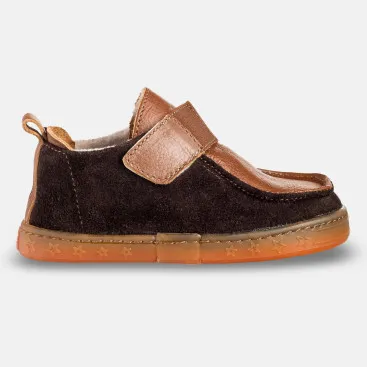
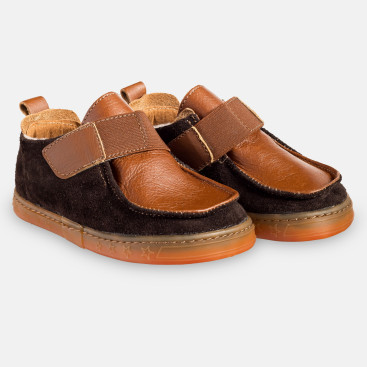
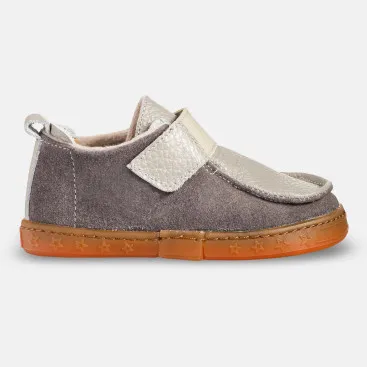
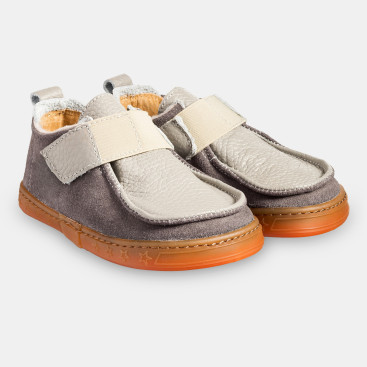
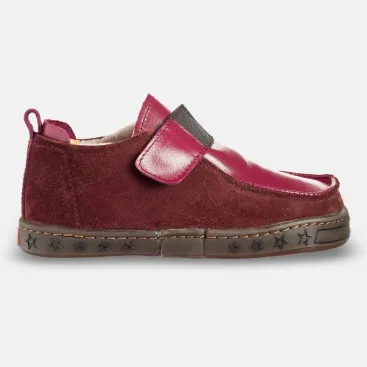
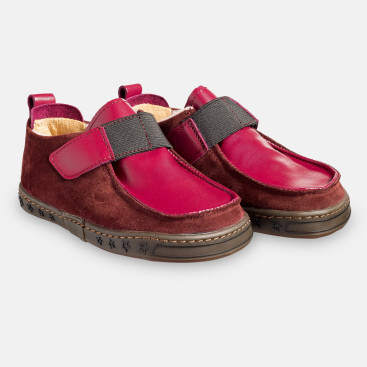
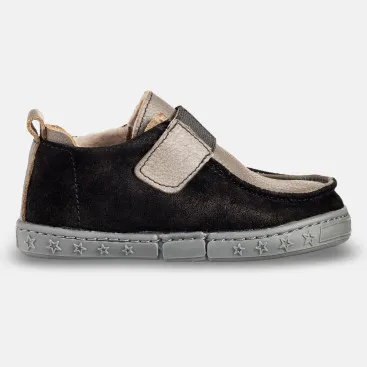
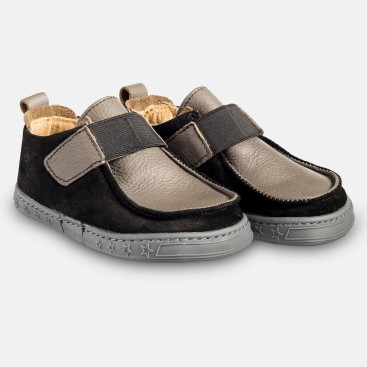


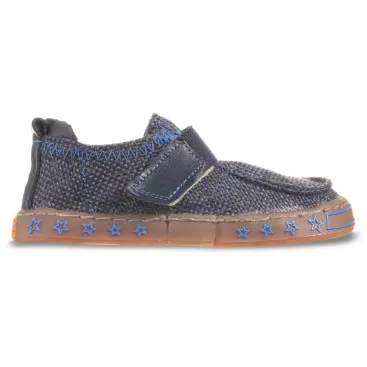

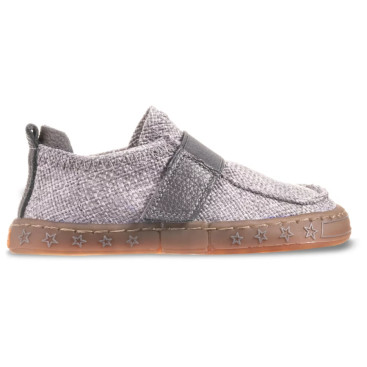


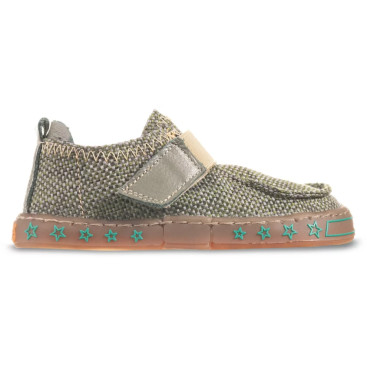

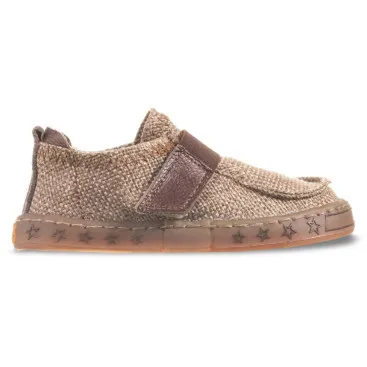

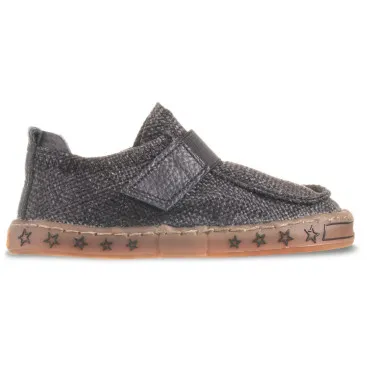
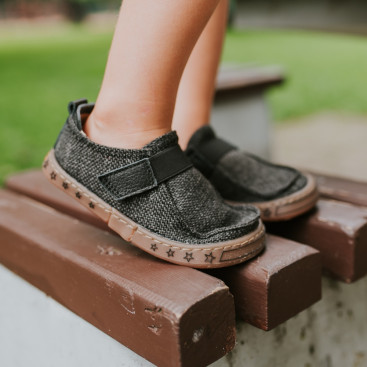
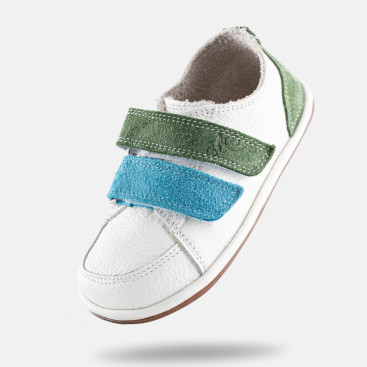
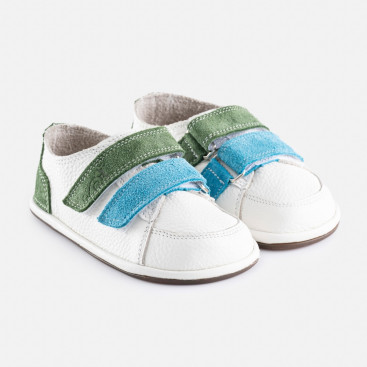
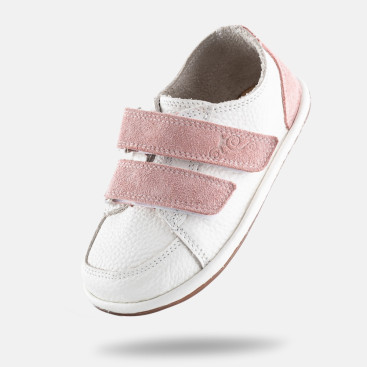
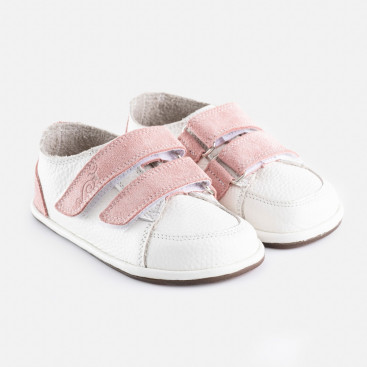
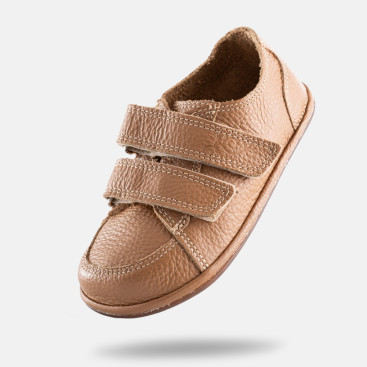
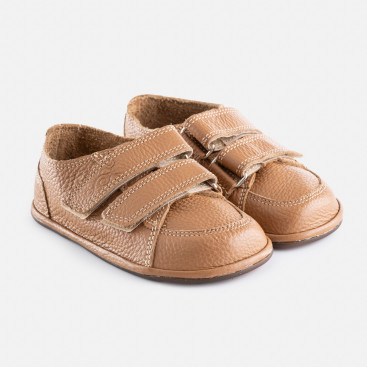
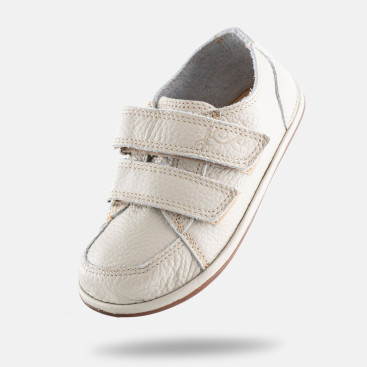
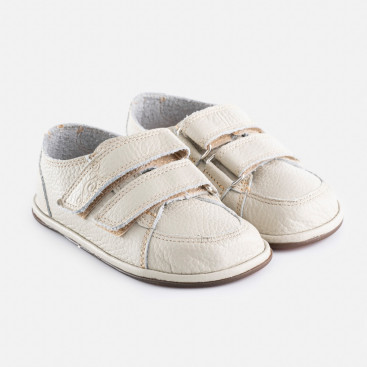
Children's Barefoot Shoes – A Natural Choice for Healthy and Happy Feet
When your child takes their first steps, with each movement they discover the world not only with their eyes but primarily with their feet. They are the first contact with the ground – teaching balance, building stability, developing strength, and coordination. That's why the footwear you choose for your child is significantly more important than it might seem at first glance. Children's barefoot shoes are designed to support the youngest in their natural development – without restricting movement, imposing shape, or disrupting the harmony with which their body learns to function.
At Magical Shoes, we design footwear in such a way that a child can move as close to nature as possible – with full freedom, as if walking barefoot, while providing the necessary protection needed in everyday conditions. It's not just an alternative to classic footwear, but a completely new way of looking at the needs of a child's foot.
Why is barefoot footwear the best choice for a child?
Every child's foot has its own individual pace of development, shape, and needs. They cannot be confined within rigid frames of ready-made forms and profiles, which often, instead of supporting, limit natural biomechanical functions. Barefoot shoes for children create space – literally and figuratively – for feet to develop according to their nature. The flexible, thin sole allows for full ground sensation, stimulating nerve receptors and teaching the child conscious stepping. The wide front of the shoe allows toes to spread freely, directly affecting the stability of the entire posture. The lack of a rigid heel counter and unnecessary stiffening means that the foot works, rather than being "guided."
All of this translates into the proper development of the foot – both anatomically and functionally. Barefoot does not force posture but supports it. It allows the child to move according to their individual dynamics and developmental needs.
Minimalist Footwear for Children – Philosophy of Simplicity and Freedom
The concept of barefoot goes beyond just the appearance of the shoe. It is a conscious approach to childhood, where less means more. Minimalist footwear for children is not a fashion, but the result of years of research and observation – both by physiotherapists and parents who noticed that less structure in a shoe means more freedom for the foot.
In our designs, we deliberately eliminate elements that do not serve the foot – thick soles, heels, arch supports, or insoles that force toe positioning. Instead, we focus on natural materials, maximum flexibility, and a construction that adapts to the child, not the other way around.
Thanks to this, our shoes become almost imperceptible to small feet, while providing a protective shield against uneven terrain, cold, or moisture. A child can explore the world at their own pace – whether on a walk, in kindergarten, or while playing at home.
Kindergarten Slippers that Support Movement and Development
Not only outside but also inside – in the kindergarten room or at home – children's feet need comfort, space, and safety. Kindergarten slippers don't have to be heavy and stiff to provide stability. On the contrary – it's their lightness, grip, and softness that translate into greater activity and engagement of the child in play and learning.
In our barefoot models for kindergarten, you'll find the same features as in full shoes – a flexible sole, wide front, and complete lack of unnecessary stiffening. This way, the child's feet retain full mobility, muscles and tendons work naturally, and the risk of abrasions or strains is minimized to zero. As a result, the child not only moves freely but also develops more harmoniously – without excessive tension and discomfort.
Walking Shoes – First Steps with Natural Support
The moment a child begins to take their first independent steps is one of the most important phases in their motor development. It is then that the need arises to provide them with footwear that is not only safe but also supportive. Walking shoes should primarily... not interfere.
That's why barefoot is a choice loved by parents worldwide – the delicate construction does not disrupt ground sensation, does not "guide" the foot, but allows it to actively learn balance. Thanks to this, the child can quickly build movement awareness and avoid incorrect walking patterns.
When creating our models, we know that the shoe must adapt to the child – not the other way around. The first footwear must provide a sense of security while being almost imperceptible. Such a balance is only possible in a minimalist, flexible, and natural barefoot form.
How Do Children's Barefoot Shoes Differ from Classic Footwear?
At first glance, the differences may seem subtle, but in reality, they are crucial for the proper development of the foot. Classic children's footwear – often designed according to adult patterns – imposes a specific arrangement on the foot, limiting its mobility. Over time, this can lead to muscle weakening, tendon shortening, balance disorders, and in extreme cases, even structural deformities.
Barefoot shoes break away from this approach. Instead of correcting the foot, they allow it to work as nature programmed it. Every step in such footwear is an impulse for development – not only of the foot itself but also of the entire movement system. The lack of a rigid heel, low weight, and full flexibility enable dynamic, active work of muscles and joints.
What many manufacturers see as a "lack" – lack of arch support, lack of profiling, lack of stabilizer – is an advantage for us. The child learns stability independently, building it from scratch, step by step.
Barefoot Footwear as Support for Proper Foot Development
Foot development does not end with just learning to walk – it is a process that lasts for many years and includes a series of stages of maturation of the skeletal, ligamentous, and muscular systems. That's why it's so important that footwear during this time does not limit these changes but goes hand in hand with them.
Children's barefoot shoes do not interfere with the natural mechanism of movement – they accompany the child in development, maintaining their individuality and allowing for maximum use of their own movement potential. They support adaptive mechanisms, proprioception development, and body awareness.
As a result, children wearing barefoot shoes often move more confidently, stumble less, and their posture remains more upright. Small differences that are visible at first glance can have a huge impact in the long run – especially in times when more and more children struggle with posture defects or limited mobility.
Minimalist Footwear for Every Season
Although many people associate barefoot mainly with summer weather, the truth is that well-designed minimalist footwear for children works perfectly all year round. The key is choosing the right materials and construction adapted to the season and conditions.
For warm days, we offer lightweight models that allow the foot to breathe and provide maximum ventilation. In winter, barefoot does not mean giving up protection – proper thermal insulation, natural wool, or soft leather can effectively protect against cold while not giving up the key features of barefoot, such as flexibility or space in the front part of the shoe.
Thanks to this, our shoes can accompany the child all year round – from the first spring walks to snowy play in the garden.
Is Barefoot Suitable for Every Child?
This is a question many parents ask when they first encounter the concept of barefoot footwear. In most cases, the answer is: yes. If your child does not have specific orthopedic recommendations that require specialized corrective footwear – barefoot will not only be safe but even beneficial.
Of course, like any product supporting development, minimalist shoes for children require conscious use. It is important to gradually accustom the foot to the new type of work, especially if the child previously wore classic, stiff footwear. But once the foot understands the new freedom, it will be hard to go back to anything else.
In the case of children with existing gait biomechanics disorders or posture defects, it is always worth consulting the choice of footwear with a physiotherapist. In practice, however, many specialists recommend barefoot – as a tool supporting rehabilitation and prevention of developmental defects.
How to Choose Children's Barefoot Shoes?
Choosing children's barefoot shoes is best started not from the appearance but from the child's development stage and how the shoe is to be used daily. A different model is needed for a toddler taking their first steps, another for a preschool child who is constantly on the move, and yet another for an older child who needs shoes for school, a walk, cycling, and the playground in one day. In this category, it is very important that the footwear does not interfere with the natural work of the foot but is also practical in everyday life.
The length, width, and overall shape of the child's foot are of great importance. A barefoot shoe should give the toes clear freedom, should not squeeze the forefoot, and should not be heavy or stiff. For the youngest, very lightweight, soft, and flexible models work best. For older children, you can already look more at seasonal purposes and whether a particular style is for the city, kindergarten, school, or more active use.
In practice, it is also worth considering the season and place of use. Kindergarten barefoot slippers should be different from winter shoes or sandals. A good children's category does not end with one model. It should give the parent the opportunity to choose a shoe according to the child's real needs, not just the general slogan "healthy shoes."
Barefoot Without Myths – Realistically About What Not to Fear
Although more and more parents are opting for minimalist footwear, opinions still arise that are more based on habits than on reliable knowledge. One of the most common myths is the belief that children's barefoot shoes do not provide enough protection – especially on hard surfaces or in difficult weather conditions. Meanwhile, a well-designed barefoot model, with a sufficiently durable sole and carefully selected materials, not only protects against injuries and moisture but also allows the foot to actively respond to changes in terrain, rather than being completely isolated from them.
Another concern is the alleged lack of support for the child's foot arch. What is considered "support" in traditional footwear can work against a growing foot – blocking natural movements, suppressing muscle work, and consequently weakening the support system. Barefoot does not support the foot passively – it allows it to develop actively, according to natural biological mechanisms.
Finally, some fear that this type of footwear may be more difficult to fit or less durable. However, modern production technologies and the use of high-quality materials make minimalist shoes for children an investment not only in health but also in durability – they successfully withstand daily use, even with a very active lifestyle of a young explorer.
Children's Barefoot Shoes at Magical Shoes – A Step Towards Freedom and Health
Choosing the first – and subsequent – shoes for a child is a decision that has a real impact on their development. At Magical Shoes, we treat it with full responsibility. We create footwear that does not impose form, does not force movement, does not limit children's exploration. We create shoes that allow a child to be who they are – dynamic, full of energy, naturally developing little human beings.
If you are looking for a solution that combines conscious care for health with functionality and comfort, barefoot shoes for children are a direction worth taking. It's not a fashion. It's an evolution of the approach to children's footwear – based on knowledge, experience, and observation.
Because in the end... the healthiest step is the one the child takes on their own – with your support and our shoes on their feet.
Categories of Barefoot Shoes Tailored to Needs, Seasons, and Child's Age
In our store, you will find barefoot footwear divided into intuitive categories that will help you choose the right model – regardless of the season, development stage, or occasion. For warm months, we have prepared lightweight sandals and breathable sneakers that allow the child's foot to breathe and work freely. For transitional seasons, loafers are perfect, providing a balance between lightness and protection, while autumn and winter shoes are a barefoot alternative for cold days – soft, flexible, yet warm and weather-resistant.
We paid special attention to the needs of the youngest – we offer walking shoes, designed for first steps, and kindergarten slippers that support movement activity in enclosed spaces. For little style enthusiasts, we also prepared ballerinas for girls, combining elegance with barefoot comfort. Among our products, you will also find a vegan category, where no material comes from animals – respecting nature and the child's health.
Additionally, we divided the entire assortment according to seasons – into proposals ideal for spring/summer and autumn/winter – as well as according to age and foot size. For the youngest, the Baby (sizes 18–23) series is intended, for slightly older children Kid (24–29), and for school-aged children – the Junior (30–35) category. Each of these sections is designed to support healthy foot development in the most appropriate way at a given stage of life.
Who Are Children's Barefoot Shoes For?
Children's barefoot shoes are for children whose parents want to choose footwear more in line with the natural movement of the foot. It's a good choice both for toddlers learning to walk and for older children who spend a lot of time moving and need light, comfortable shoes for everyday use.
It's also a very sensible category for parents who are tired of heavy, stiff children's footwear and are looking for lighter, more flexible, and simply more comfortable models for everyday use. Children's barefoot shoes work well for active, lively children who walk a lot, run, and spend time on playgrounds, walks, or in kindergarten.
For many families, it's also simply a practical choice. A child doesn't need a shoe that "guides" the foot, but one that gives it space and doesn't hinder movement. That's why this category fits so well into everyday life, not just one specific situation.
When Are Children's Barefoot Shoes Not a Good Choice?
Children's barefoot shoes will not always be the best solution without exception. If a child has specific recommendations from an orthopedist, physiotherapist, or specialist conducting therapy, the choice of footwear should be tailored to those indications. In such situations, it's not worth acting on a scheme or assuming that one type of shoe will be good for everyone.
Not every barefoot model will be suitable for every situation. Sandals won't replace winter shoes, and kindergarten slippers won't replace shoes for everyday walks on wet terrain. It seems obvious, but in a general category, it's worth clearly stating because parents often look for one "universal model for everything," and children's needs are usually more diverse.
It's also important to remember that the barefoot slogan doesn't solve everything. If the shoe is poorly fitted, too small, too narrow, or simply not suited to the child's foot, it won't work well just because it belongs to this category. Here, as always, specific fitting remains key.
Frequently Asked Questions About Children's Barefoot Shoes
What Are Children's Barefoot Shoes?
Children's barefoot shoes are designed not to restrict the natural movement of a child's foot. They usually have a flexible sole, a wider front, and a lightweight construction, allowing the foot to work more freely than in many classic children's models.
How Do Children's Barefoot Shoes Differ from Traditional Children's Shoes?
The biggest difference is in the construction. Classic children's shoes are often stiffer, heavier, and narrower in the front. Children's barefoot shoes are usually lighter, more flexible, and give toes more space, so they don't impose a single rigid way of moving.
Which Children's Barefoot Shoes to Choose First?
Initially, lightweight, soft, and easy-to-put-on models work best. For toddlers, it's very important that the shoe is neither heavy nor stiff. For older children, it's worth starting with a daily model that works in regular use before moving on to more specific seasonal styles.
Are Barefoot Shoes Good for a Child Learning to Walk?
Yes, for many parents and specialists, it's a very sensible choice for this stage. Well-fitted walking shoes should be lightweight, flexible, and not interfere with the child building their own way of moving. In this category, that's particularly important.
When Can a Child Wear Barefoot Shoes?
A child can wear barefoot shoes when they actually need footwear in a given situation, for example, outside or in specific conditions. The moment depends more on the child's movement stage and daily functioning than on a single rigid date or age.
Are Children's Barefoot Shoes Suitable for Kindergarten?
Yes, very well. It's one of the strongest application categories. Kindergarten barefoot slippers are lightweight, comfortable, and work well in movement, which in kindergarten lasts practically without interruption. A child doesn't need heavy and stiff footwear there.
Which Kindergarten Barefoot Slippers to Choose?
Lightweight, breathable models that are easy to put on independently and hold the foot well without pressure work best. In this category, it's important that the child can walk, run, and play normally without constantly adjusting the shoe.
Are Children's Barefoot Shoes Suitable for School?
Yes, especially daily and more universal models. Well-fitted barefoot shoes for older children work well in school, after school, and during regular daily activities. It's a very practical category for a long day outside the home.
Are Barefoot Shoes Good for a Child with a Wide Foot?
Yes, very often that's why parents start looking for them. Many classic children's shoes turn out to be too narrow, especially in the front. Barefoot shoes usually give toes more space and have a more natural shape.
Are Barefoot Shoes Suitable for a Child with a Narrow Foot?
It depends on the specific model. With a narrow foot, good midfoot and heel hold is important because just having more space in the front doesn't mean poor fit. Therefore, it's worth looking not only at length but also at the construction of the upper and fastenings.
How to Choose the Size of Children's Barefoot Shoes?
The size is best chosen based on the actual measurement of the child's foot and the manufacturer's size chart. In this category, it's not worth buying "by eye" or relying solely on the number from other brands. The most important are foot length, toe space, and overall shoe fit.
How Much Spare Room Should Children's Barefoot Shoes Have?
The spare room should give the foot freedom but not be so large that the child loses stability while walking. It's best to rely on the actual foot measurement and the specific model's chart because a well-fitted shoe should work in everyday movement, not just look good when put on.
Should Children's Barefoot Shoes Be Tight at First?
No. A well-fitted barefoot shoe should not squeeze the toes or require "breaking in." If the model is properly fitted, the child should feel comfortable in it from the start, not only after a few days.
Are Barefoot Shoes Good for Summer?
Yes, very well. Lightweight sandals, sneakers, and breathable barefoot models work great in warmer months. They provide the child with ventilation and freedom while protecting the foot when needed.
Are Barefoot Shoes Good for Autumn and Winter?
Yes, but provided you choose a model suitable for the season. Not every barefoot will be appropriate for colder months, but in this category, there are also more covered, warmer models that better protect against moisture.
Are Children's Barefoot Shoes Suitable for Snow and Cold?
Yes, if you choose a model designed specifically for the winter season. In this category, material, insulation, moisture protection, and overall shoe construction are important, not just the barefoot slogan.
Are Barefoot Shoes Suitable for the Playground?
Yes, it's one of the most natural applications of this category. Well-fitted barefoot shoes for children work very well during daily play, running, climbing, and regular movement on the playground.
Are Barefoot Shoes Suitable for Long Walks with a Child?
Yes, if the model is well-fitted and suits the conditions in which the child walks most often. For longer use, comfort, lack of pressure, and a construction that doesn't interfere with the child's normal movement are most important.
Can a Child Have Only One Pair of Barefoot Shoes?
Sometimes yes, but in practice, most often not. Just like in any children's category, a different model will work in summer, another in winter, another for kindergarten, and yet another for more active conditions. The general category is broad precisely because children need different shoes for different situations.