 PL
PL
 EN
EN
 DE
DE
 CS
CS
 ES
ES


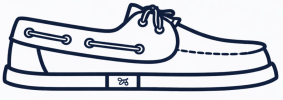


First walkers


Walking Shoes – A Natural Start to a Great Adventure
Every step your child takes is a step into the unknown – small, uncertain, but full of potential. It's the moment when the world suddenly becomes bigger, more accessible, and... fascinating. That's when the question arises that every conscious parent asks: what shoes are best for learning to walk? It's not just an aesthetic choice. It's a decision that genuinely affects foot development, posture, and the comfort of the first independent movement experiences.
Our mission at Magical Shoes is to support children in this crucial stage through natural and safe footwear. We create walking shoes that do not restrict but support – just as it should be from the first step.
Who Are Walking Shoes For?
Walking shoes are for children who are starting to take their first independent steps outside the home or are becoming more confident on various surfaces. This category is intended for toddlers who do not yet need classic heavier children's shoes but need foot protection outside the home.
It's a very good choice for parents looking for their child's first shoes for walks, outings to daycare, preschool, playgrounds, or simply for everyday use when walking becomes part of the normal day. They also work well for children who are active, eager to move, and don't stay in one place for long, which, in other words, describes most toddlers.
It's also a sensible option for parents who want to choose children's shoes that are as light, flexible, and suited to the stage of development as possible, rather than just any "small shoes." In this category, it really matters that the child can learn movement without additional obstacles.
Why Should Walking Shoes Be As Close to Bare Feet As Possible?
The human foot is a perfect construction. That's why a child's first shoes should work in harmony with its natural movement, not disrupt it. When a toddler begins to take their first steps, their feet need freedom, ground feel, and the ability to actively work the muscles. Footwear that restricts these functions – through excessive stiffening, thick soles, or raised heels – disrupts the learning process and can lead to posture abnormalities.
Our minimalist children's shoes are designed to enable natural foot rolling, ground contact, and unimpeded movement of the entire musculoskeletal system. The ultra-flexible, thin sole and lightweight construction are not by chance – they are a response to the needs of a growing body.
First Shoes for Learning to Walk – What Does Your Toddler Really Need?
The true needs of the youngest are simple: stability without stiffness, grip without movement restriction, protection without losing feel. Classic children's shoes often assume that the more "holding," the better. We see it differently. We believe that shoes for learning to walk should work the exact opposite – provide freedom and activate muscles instead of replacing them.
That's why our designs are inspired by barefoot movement. Thanks to the anatomical structure, the toes have room to spread freely, improving balance and stabilization. Every detail – from the width of the forefoot to the lightness of the upper – is designed to support natural movement patterns.
Barefoot Shoes for Children – A Philosophy That Translates Into Practice
More and more parents are discovering the potential of the barefoot concept, or "barefoot." It's not just a trend – it's a philosophy based on observing the natural development of the foot. Barefoot shoes for children are not just another fashion, but a return to what is primal and healthy. Their task is not to correct but to enable free, anatomically correct movement.
In our category of walking shoes, barefoot is more than just a name. It's a design standard. It's our commitment to parents and children – that every pair of shoes will support, not restrict.
Where to Buy Walking Shoes?
Walking shoes are best bought where the manufacturer or store shows specifics. In this category, a parent should see not only the size and picture but also the insole length, fit description, information about sole flexibility, model purpose, and the stage of development for which the shoe was designed.
Parents often search for phrases like walking shoes, first shoes for a child, shoes for learning to walk, barefoot shoes for children, first children's shoes, lightweight shoes for toddlers, or shoes for a one-year-old child. Therefore, it's worth buying where the offer truly meets these needs and doesn't just lump everything together under the label "for children."
There are more and more brands on the market that sensibly develop this category, considering the real needs of small feet. Magical Shoes is one of them, as walking shoes here are part of a larger, consistent approach to natural movement, comfort, and simple choice without guessing.
Minimalism in Children's Footwear – Less Means Healthier
When you hear the word "minimalist," you might think of simplicity in form. And you're right – but minimalist shoes for children are primarily about maximum functionality in the simplest form possible. You won't find unnecessary reinforcements, thick soles, or hard heel counters here. Instead, you'll find precisely developed solutions that serve one idea: development without obstacles.
Minimalism also means lightness. Children who are starting to walk do not yet have full control over movement – the lighter the shoe, the less variable resistance, and consequently, greater freedom of exploration.
How to Choose the Perfect Walking Shoes?
Choosing walking shoes is worth starting with where the child will use them most often. If the shoes are mainly for the first outings from home, walks, short walks on the sidewalk, or playground, very lightweight, flexible models that are as close to barefoot walking as possible are best. At this stage, it's not about "holding" the foot by force, but about not hindering the child in learning balance and taking subsequent steps.
If you're looking for walking shoes for warmer days, it's worth choosing models made of breathable materials that breathe well and don't overheat the foot. If the shoes are to be used in transitional periods or cooler weather, more covered models work better, but still lightweight and soft. In this category, the shoe that looks the most "decent" doesn't win, but the one that allows the child to move naturally.
The cut also matters a lot. Good walking shoes should have room for the toes, a flexible sole, and a construction that doesn't unnecessarily stiffen the foot or ankle. In practice, models that the child puts on without protest and in which they don't try to walk unnaturally perform best. If the toddler moves smoothly in them, doesn't trip more often than usual, and doesn't try to take them off immediately, it's usually a sign that the choice is going in the right direction.
It's also worth remembering that the first shoes shouldn't be bought "for long." In this category, fit matters more than spare room. Shoes that are too big for learning to walk can hinder more than help because the child is just building control over movement and doesn't need additional difficulties.
Walking Shoes for Infants – First Contact with the Ground Outside the Home
At some point, the natural stage of walking barefoot – so important and needed in the home environment – becomes insufficient. The child wants to explore further: the balcony, yard, park, and you as a parent want to provide the best tools for this. That's when walking shoes for infants stop being an option and become a necessity. However, what you choose shouldn't change the fundamentals: movement, freedom, and ground contact.
We create our shoes with the idea of a smooth transition from safe, home conditions to the real world. That's why every model in the walking shoes category combines durability with naturalness. It's not a compromise – it's the result of experience and awareness that a child's foot must have the same functionality on a soft carpet as on a cobblestone or forest path.
Thanks to flexible, non-slip soles and breathable materials, the toddler can continue learning to walk regardless of conditions – maintaining a natural movement pattern while ensuring full comfort and safety.
The Best Walking Shoes? Those That Allow the Child to Be Themselves
This question comes up in every conversation with parents: What are the best walking shoes? The answer doesn't boil down to one brand, model, or pattern. The best shoes are those that don't hinder but support. Those that are so well designed that your child... almost doesn't feel them.
Good footwear is not just a matter of physiology. It's also psychological support – the child feels more confident, safer, and explores the space more boldly. Every model in our collection was created after consultations with pediatric physiotherapists, prototype tests in real conditions, and conversations with parents. It was their experiences that allowed us to build trust and establish a position as a manufacturer for whom child development is an absolute priority.
When to Put on Walking Shoes and When to Allow Barefoot Walking?
Sometimes less is more. And that's exactly the case with children's footwear. If a toddler is learning to walk at home – in a safe, clean environment – the healthiest choice remains walking barefoot. That's when the feet work most naturally, muscles strengthen, and the sense of balance develops optimally.
But when you go outside or move on cold, slippery, or hard surfaces, it's worth having walking shoes for your child that are like a second skin – protecting but not dominating.
At Magical Shoes, we create just such models: footwear that can be put on when conditions require it, but that doesn't take away the foot's natural function. This way, you can be sure that your child is developing healthily – without compromises.
Walking Shoes and Child's Motor Development
Appropriate footwear is much more than just comfort. It's the foundation of proper gross motor development. Bad shoes can disrupt gait, limit joint mobility, and even lead to posture errors. Well-chosen ones – quite the opposite – become a support for the developing body.
Every model we design is intended to support natural movement mechanisms. The flexible sole allows for foot rolling, the wide front lets the toes work actively, and the lightweight construction relieves the joints. We don't add anything that could hinder, but we ensure that everything necessary is where it should be – and in the right form.
That's why minimalist shoes for children are gaining importance – they allow the child to move according to their internal logic of movement, without artificially forcing steps or posture.
Your Child Deserves a Natural Start
Every toddler deserves their first contact with the world to be as natural as possible. The shoes you choose will participate in this experience every day. That's why their choice matters – and it's more significant than it might seem.
By choosing walking shoes from our collection, you're opting for more than just comfortable footwear. You're choosing a philosophy of closeness to nature, respect for the child's physiology, and support in their independent adventure with movement. And we, as a manufacturer, are here to provide you with a solution based on knowledge, experience, and passion.
Moxy and Baloo 2.0 – Two Approaches, One Goal: Healthy Foot Development
In our collection of walking shoes, there are two exceptional models that meet different needs but share one thing – care for the natural development of a child's foot. Moxy is our uncompromising design for the youngest – a model created from scratch as the first barefoot shoes for a child that not only protect but support. Flexible, lightweight, and made of natural leather, they are equipped with the unique Magical Lacing System, making tying a one-time task. The elastic band and heel stopper ensure a perfect fit without pressure, while guaranteeing full freedom of movement. These are barefoot slippers designed for maximum comfort – for both the child and the parent.
On the other hand, the Baloo 2.0 model is a response to those looking for more than just a fashionable look. Although at first glance it resembles classic, stylish shoes, its interior hides the barefoot philosophy in its purest form. These are shoes for a child learning to walk that not only do not restrict development but actively support it. Thanks to the minimalist construction and soft, flexible sole, Baloo 2.0 allows the child to take their first steps with natural confidence. It's a model for parents who value aesthetics but never put it above health and physiology.
Both models share our idea: walking shoes should support – not replace – the work of a small foot. By choosing Moxy or Baloo 2.0, you give your child the best possible start.
FAQ – Everything You Need to Know About Walking Shoes
What Walking Shoes to Choose at the Start?
At the start, lightweight, flexible, and well-fitted walking shoes are best. In this category, the most important thing is that the shoe doesn't hinder movement, doesn't unnecessarily stiffen the foot, and allows the child to learn to walk as naturally as possible. The fewer unnecessary elements, the better for comfort and daily use.
When to Buy the First Walking Shoes?
The first walking shoes are worth buying when the child starts walking independently outside the home or needs foot protection outdoors. If the toddler moves mainly around the apartment and safe surfaces, there's usually no need to put shoes on just for the sake of having them. Shoes appear when they are genuinely needed.
Should a Child Learn to Walk in Shoes?
Not always. At home and on safe surfaces, a child often learns to walk best barefoot. Walking shoes make sense when foot protection is needed outside the home or on cooler, harder, or less friendly surfaces. The most important thing is that the footwear doesn't take away the freedom the child has without shoes.
Should Walking Shoes Be Stiff?
No, overly stiff walking shoes usually don't help. At this stage, flexible models that allow the foot to work and don't restrict movement more than necessary work better. Stiffness often looks like "stability," but in practice, it can hinder natural movement.
Should Walking Shoes Have a High Heel Counter?
There's no such necessity. A high heel counter itself doesn't make a shoe better for a child learning to walk. What's more important is whether the model holds the foot well, is lightweight, and doesn't restrict ankle movement. In many cases, an overly built-up construction simply doesn't provide real benefits.
How to Choose the Size of Walking Shoes?
It's best to measure the child's foot and compare the result with the size chart of the specific model. In this category, it's not worth buying on a whim, as the first shoes for a child should be really well-fitted. Important is not only the insole length but also whether the shoe provides room for the toes and isn't too loose on the foot.
How Much Spare Room Should Walking Shoes Have?
They should have enough spare room to give the child freedom but not worsen stability. A small spare room, in line with the manufacturer's recommendation for the specific model, usually works best. Walking shoes that are too large can hinder movement more than a slightly too small growth margin, so balance really matters here.
Is It Worth Buying Walking Shoes Larger for Spare Room?
Not really. Walking shoes that are too large can slide on the foot, hinder stepping, and cause uncertainty in movement. In this category, it's better to buy a model suited to the current stage than to try to stretch one pair for too long. The child grows quickly anyway, but doesn't learn to walk twice.
Are Barefoot Walking Shoes Good for the Start?
Yes, barefoot walking shoes are often a good choice for the start because they are usually lightweight, flexible, and provide more freedom than classic models. In practice, they work well for children who need footwear that supports movement, not dominates it. It's just important that the specific model is well-fitted to the child's foot.
How Do Barefoot Walking Shoes Differ from Classic First Shoes?
They usually differ in weight, flexibility, and toe space. Barefoot walking shoes are typically lighter, have a more flexible sole, and a less stiff construction. Classic first shoes often focus on coverage and stiffness, which don't always translate into comfort in daily movement.
Are Walking Shoes Suitable for Outdoors?
Yes, that's one of their primary uses. Walking shoes are suitable when a child starts walking independently outside the home and needs foot protection on the sidewalk, playground, park, or during a walk. It's just important to choose a model appropriate for the weather and conditions.
Are Walking Shoes Suitable for Daycare or Preschool?
Yes, in many situations they can work well, especially if the child is still young and just developing independent walking. However, it's worth noting whether the model is easy to put on, lightweight, and practical for daily use. In daycare and preschool, not only comfort matters but also ease of use.
Should the First Shoes for a Child Be Lightweight?
Yes, definitely. A child is just learning to control movement, so a heavy shoe only adds to the work. Lightweight first shoes help move more naturally and don't unnecessarily burden the foot or the entire leg.
Do the First Shoes for a Child Have to Be Very Soft?
It's good if they are soft where needed and flexible in movement. It's not about the shoe being completely shapeless, but not overly stiff. In practice, models that fit well on the foot and don't fight with every step of the child work best.
Should Walking Shoes Have Room for Toes?
Yes, it's very important. During walking, a child needs space for the toes to work and help maintain balance. A too narrow front of the shoe can worsen comfort and hinder natural movement, so in this category, the width of the front really matters.
Are Walking Shoes Suitable for a Wide Foot?
In many cases, yes, especially if you choose a model with a more natural front shape. Children with wider feet often feel better in shoes that don't narrow significantly towards the toes. However, it's always worth checking the size chart and fit description of the specific model.
Are Walking Shoes Suitable for a Narrow Foot?
Yes, but in this case, fit and how the shoe holds the foot with the upper and closure are even more important. For a narrower foot, models that allow better adjustment of the circumference and don't leave excessive looseness inside the shoe work well.
How Long Can a Child Wear Walking Shoes During the Day?
As long as they are needed and well-suited to the conditions. If the child spends time outside the home, walks on various surfaces, and needs foot protection, such shoes can be used for most of the day. At home, it's still worth leaving space for barefoot walking whenever possible.
Can You Buy Used Walking Shoes?
You can, but it's not the best idea. Walking shoes quickly adapt to the way a specific child moves, so a used model may no longer work neutrally. In this category, it's better to opt for new shoes because fit and construction condition really matter.
How to Care for Walking Shoes?
Usually, regular wiping and gentle hand cleaning are sufficient. Depending on the material, it's worth using care tailored to the specific model, but generally, the first shoes for a child should also be practical on this side. It's better not to throw them into the washing machine on impulse if the manufacturer doesn't recommend it.
Can Walking Shoes Be Washed?
It depends on the material and recommendations for the specific model. In many cases, hand cleaning is safer because the shoe retains its shape and properties longer. With first children's shoes, it's not worth taking risks just to save a few minutes.
Is It Worth Buying Walking Shoes Online?
Yes, but it's worth checking the size chart and insole length carefully. It's also good to pay attention to the possibility of return or exchange, as fitting the first shoes for a child is crucial. Online shopping makes sense if it's based on measurement, not guessing.
Where to Buy Good Walking Shoes?
Best where the manufacturer clearly shows for which stage of development a given model is, how the sizing works, and for what conditions the shoe was designed. In this category, not only appearance matters but real functionality and fit to the child's daily life.