 PL
PL
 EN
EN
 DE
DE
 CS
CS
 ES
ES


Barefoot slippers for kindergarten




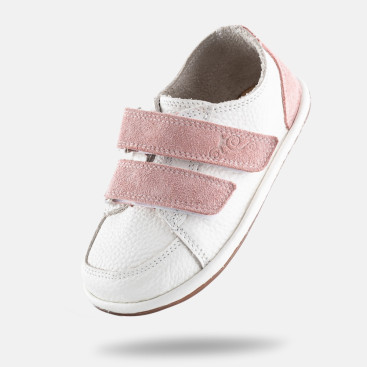
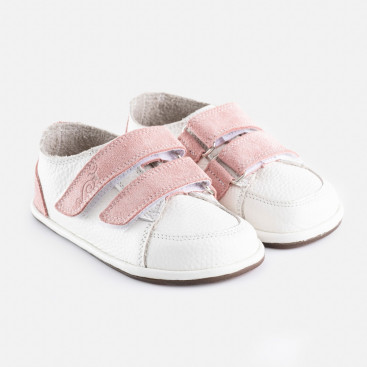
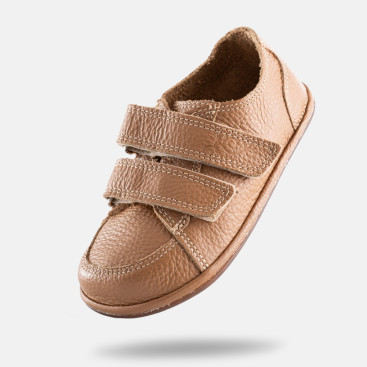
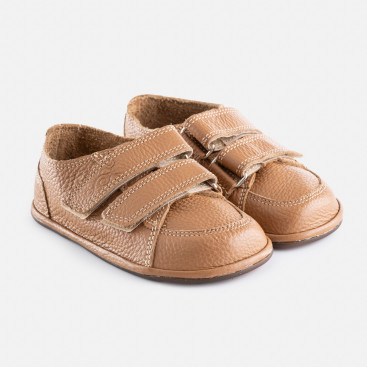
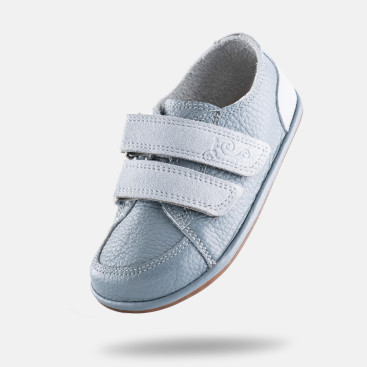
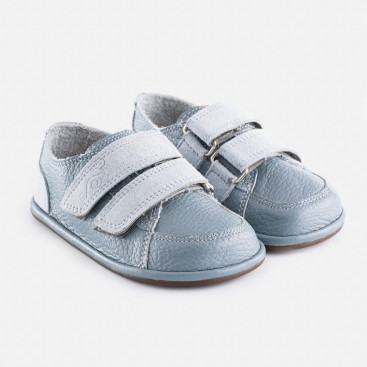
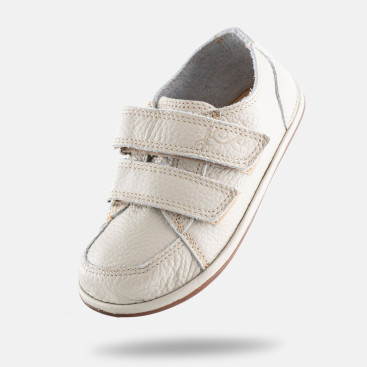
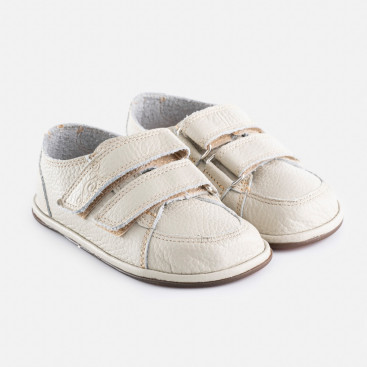
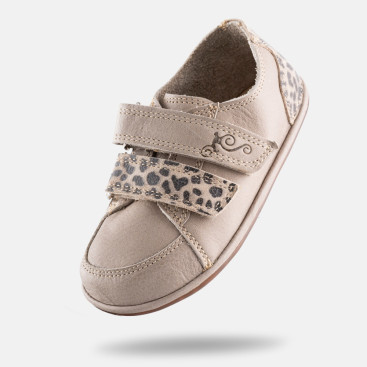
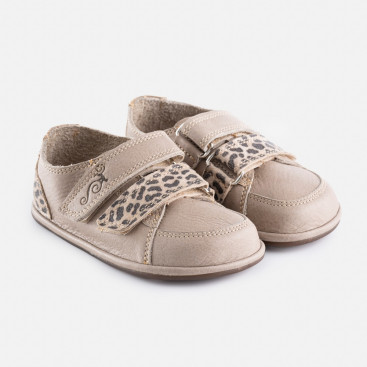
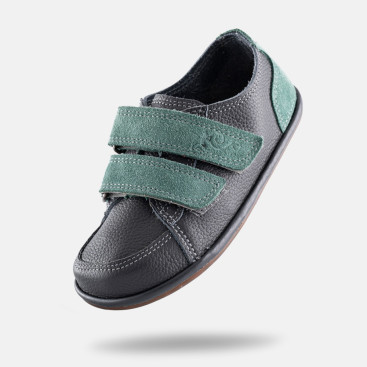
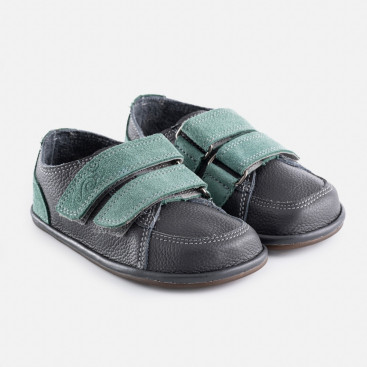


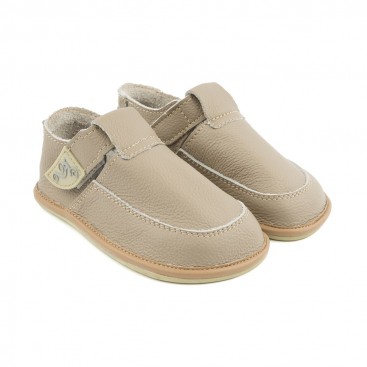

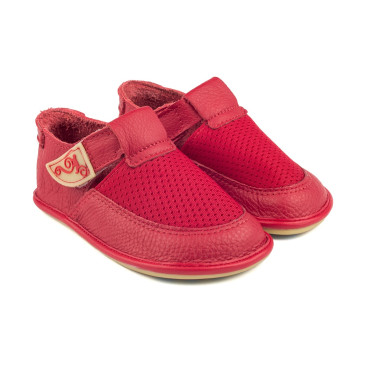
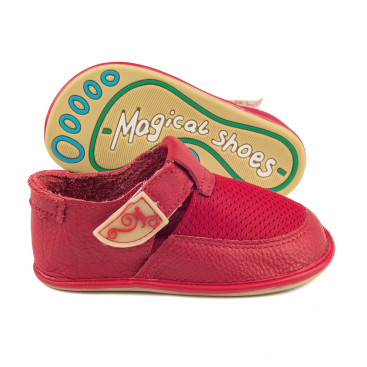


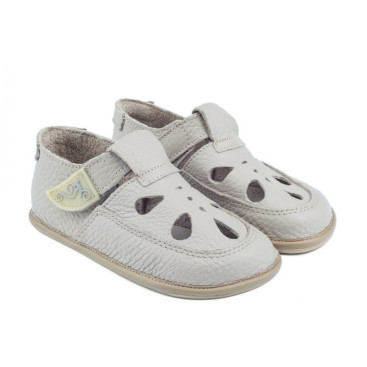

Preschool Slippers – The Foundation of Comfort and Freedom Every Day
In the world of children's daily life, which begins in the preschool cloakroom in the morning and ends only when you return home with a bag full of experiences, preschool slippers become the silent heroes of the day. They accompany your child during play, physical activities, climbing on cushions, running around the room, or carpet adventures. That's why choosing the right preschool footwear is not just a matter of comfort – it's a decision that affects health, development, and safety.
At Magical Shoes, we have been creating footwear with the natural movement of children's feet in mind for years. Our preschool slippers are based on careful observations, the needs of little ones, and knowledge derived from the biomechanics of movement. This is not ordinary footwear – it's a tool that supports the harmonious development of your child.
Preschool Slippers that Support the Natural Development of the Foot
Your child spends from a few to several hours a day in preschool slippers. This is a time of intense stimuli, but also a period when the foot forms most dynamically. That's why we design each of our preschool slippers to work in harmony with the physiology of a child's foot.
Thanks to the flexible sole that bends exactly where it should, your child's foot works as if barefoot. The upper made of breathable, natural materials allows the skin to breathe, preventing overheating and sweating. And the ergonomic cut, without unnecessary stiffening and supports, allows for full freedom of movement and excellent ground feel.
It is this philosophy – maximum closeness to natural movement – that makes our barefoot slippers an extension of the bare foot, not an obstacle on the way to free play.
Barefoot Slippers – Freedom Felt with Every Step
Before questions arose about which preschool shoes to choose, you might have thought that all slippers are the same. However, over time, observing how your child slips off too stiff shoes, trips over too hard soles, or simply hesitates to put them on, you begin to understand that comfort is not a given.
That's why we created our barefoot slippers – as a response to the real needs of small feet. A flat sole without any arches and height differences teaches your child balance in the most natural way. The slippers do not impose artificial movement patterns, do not interfere with posture, and at the same time provide exactly the protection needed in a preschool environment.
Moreover, children simply love them. They do not restrict movement, do not pinch, do not slip off the heel. They are as light as a cloud and as comfortable as a favorite toy. And for you – the parent – it's the awareness that you are doing everything to support the healthy development of your child, even in such a seemingly minor aspect as choosing slippers.
Preschool Shoes – What Do Slippers That Really Work Look Like?
When we talk about preschool shoes, we mean more than just footwear to wear in the room. It's an element that affects posture, the way of moving, and the child's well-being. That's why when designing our slippers, we focus on function, not just form.
Fastened or slip-on? For us, what matters is whether the child can put them on by themselves – because independence in preschool builds confidence. Narrow or wide? We answer: fitted to the natural shape of the foot, with an appropriately wide front that allows the toes to move freely. Light? Always. Because excess material is unnecessary weight.
And the materials? Carefully selected, breathable, and skin-friendly. We sew our slippers with air circulation in mind, minimizing the risk of overheating and unpleasant odors. Thanks to this, the child not only feels comfortable but also willingly wears their slippers – without reminders, without protest.
How to Choose Preschool Slippers That Really Fit?
Choosing preschool slippers is worth starting with how much time the child will spend in them and what they will do in them. And the answer is simple: almost everything. That's why slippers can't be random. They are not "extra footwear," but basic shoes for several hours a day.
The most important thing is fit and freedom of movement. Slippers should not pinch the toes or be too loose. The child should be able to run, sit, stand up, and change direction without constantly adjusting the shoe. In this category, light, flexible, and stable models on the foot work well.
It's also worth paying attention to the way of putting them on. The child should be able to manage on their own or with minimal help. Too complicated fastenings quickly become a problem in the preschool reality. The simpler the solution, the better it works every day.
The material matters. Preschool slippers should be breathable and suitable for long hours of wear. The child's foot should not overheat or sweat more than necessary. This affects not only comfort but also the willingness to wear shoes.
The Most Common Mistakes When Choosing Preschool Shoes
With our experience and hundreds of conversations with parents, we know one thing – a good choice of slippers starts with knowledge. And this allows avoiding recurring mistakes.
One of them is treating slippers as a temporary addition, not worth much attention. Meanwhile, the child spends most of the day in slippers, so they have the greatest impact on their posture, comfort, and way of moving in space.
Another problem is choosing too stiff, reinforced models that limit the natural work of the foot and take away the child's freedom of movement. The child's foot does not need help – just not to be hindered. That's why we created barefoot slippers – flexible, light, adapting to every movement, not imposing a shape.
The way of putting on slippers is also significant. For many preschoolers, this is one of the first activities performed independently. If slippers are difficult to put on or fastening requires too much strength and precision, the child becomes discouraged, and every change of footwear becomes a frustration. That's why at Magical Shoes, we focus on solutions that support independence – soft uppers, flexible inserts, and convenient fastenings adapted to small hands.
Our Models – Slippers and Barefoot Shoes That Children and Their Feet Will Love
The choice of appropriate preschool slippers does not end with one universal proposal – every child has different needs, and every foot develops at its own pace. That's why at Magical Shoes we have prepared a wide range of models that share one thing: full freedom of movement, naturalness, and comfort that your child will love from the first step. Whether you are looking for light barefoot slippers for everyday use, slip-on models for preschoolers, or shoes that will also work outdoors – with us, you will find more than just shoes. You will find thoughtful solutions supporting development and joy of movement.
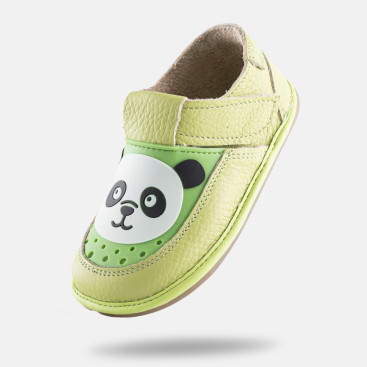
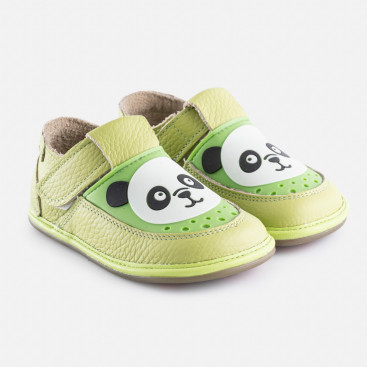
Model GAGA is the happiest representative of our collection – created with children who love the world of imagination in mind. Rubber applications in the shape of animals and fruits give it a unique character, but beneath the cheerful appearance lies the essence of barefoot – a flexible sole, wide space for toes, and a construction that allows for the free development of the foot. These are preschool slippers that combine fun with function.
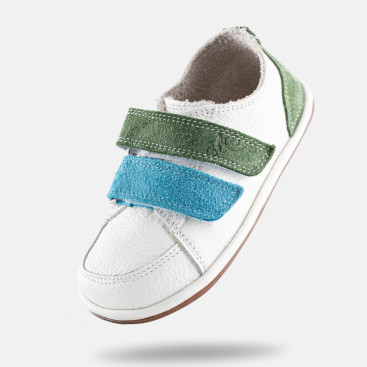
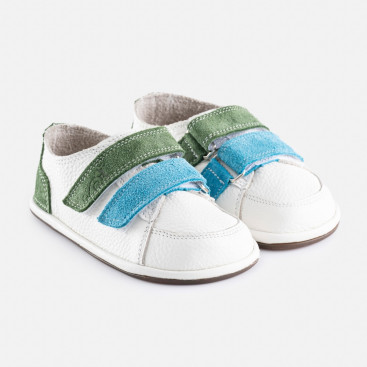
If you are looking for universal footwear – model MILO will serve its role both as slippers and light sneakers. Their lightness, flexibility, and dual fastening system allow the child to put them on by themselves and explore the world without obstacles. It's a classic form but with a barefoot soul.
For parents who value the combination of comfort with subtle elegance, we created ballet flats GLORIA. Their elastic band and simple fastening make the shoes stay on the foot even during intense play. And at the same time, they look beautiful – without compromises between aesthetics and functionality.
Model LULU is our barefoot classic. Present in the collection from the very beginning, it has become synonymous with freedom, refined construction, and durability. Leather, comfortable, abrasion-resistant, and fully supporting the natural movement of the foot – they are the answer to the needs of the most demanding parents and little ones.
With the youngest in mind, who are just taking their first steps, we designed model BEBE – one of the most barefoot shoes in our offer. The combination of delicate leather with breathable Air Mesh makes the shoes breathable, light, and perfectly harmonize with the foot in every phase of movement. Ideal both as slippers and first shoes for learning to walk.
For warm days, we propose sandals COCO – perfect for children learning to walk and those who already confidently step into the world. Thanks to their construction, they do not restrict foot movement, support proper posture, and allow muscles to work as if the child were walking barefoot.
In a modern spirit, we also create model RICO – functional, ecological, and at the same time extremely comfortable barefoot shoes for children. Recycled fabric, space for toes, plant-tanned insoles, and a simple fastening system create footwear that not only supports health but also the values of conscious parenting.
Finally – ALEX, children's barefoot sneakers, which are perfect as preschool shoes for active explorers. It's a light, vegan model designed with constant movement in mind. Adapted to the child's foot, it offers full flexibility, yet the durability needed for everyday use.
Who Are Preschool Slippers For?
Preschool slippers are for children who spend a large part of the day indoors and need comfortable changeable footwear. This is a basic category for preschoolers and younger children who are learning to function in a group and daily activities.
This is a solution for children who move a lot but do not need heavy footwear. Slippers work well where there is a constant change of activity: play, classes, rest, movement in the room.
It's also a choice for parents who want to simplify everyday life. Well-chosen preschool slippers work without thinking, without adjustment, and without constant questions "is everything okay."
When Are Preschool Slippers Not the Best Choice?
Preschool slippers will not work outside their natural environment. Outdoors, in cold weather, or in more challenging conditions, other shoes are needed. This is a category for indoors, not a universal solution for everything.
They will also not be a good choice if they are poorly fitted. Too large slippers cause instability, and too small ones restrict movement and quickly become uncomfortable. In this category, "for spare" usually works worse than it seems.
It's also worth being cautious of heavy and stiff models. Preschool slippers should not resemble miniature winter boots. If they are too massive, the child will very quickly show that they do not want to wear them.
Comparison: Barefoot Slippers vs. Classic Preschool Slippers
Classic preschool slippers are often more enclosed, have a stiffer sole, and less room in the toes. For some parents, they look more solid, but in practice, this does not always translate into the child's comfort.
Barefoot slippers are usually lighter, more flexible, and provide more space. They do not impose a specific foot position and allow it to work more freely. The child often perceives this very simply: the shoe does not get in the way.
It's not about one solution always being better. But if slippers are to be used for many hours a day, a construction that does not restrict movement usually proves more practical.
Where to Buy Preschool Slippers?
Preschool slippers are best bought where fit, purpose, and size are clearly shown. A parent should know whether a given model is suitable for preschool, how much space it has in the toes, and how the sizing falls.
The most frequently searched phrases are: preschool slippers, preschool shoes, barefoot slippers for children, preschool slippers for boys, preschool slippers for girls, light children's slippers, changeable slippers for preschool. This shows that the user is looking for specifics, not a general category.
It's good to choose places that have a consistent offer and clearly communicate what a given model is for. Magical Shoes develops this category as an element of everyday children's footwear, not an addition "because something is needed for a change."
Recommendation from Magical Shoes
Preschool slippers are one of those categories where it's easiest to mess up with a simple choice. Because it seems like "it's just slippers." And it's in them that the child spends a large part of the day.
The best models are light, flexible, and well-fitted. If a child is to wear them for several hours, there is no room for compromise. The shoe should work in the background, not be the topic of the day.
The simplest rule: if the child does not pay attention to the slippers, it means everything is fine. If they start taking them off, adjusting, or ignoring them, it means something is wrong.
Frequently Asked Questions About Preschool Slippers
What are the best preschool slippers for a child?
The best preschool slippers are those that provide the child with comfort for many hours and do not restrict their natural movement. In practice, this means light models, well-fitted to the foot, with enough space in the toes, and a construction that does not stiffen the foot with every step. The child should be able to walk, run, sit, and change direction freely without having to adjust the shoe. In everyday use, comfort is more important than appearance or "solidity" at first glance.
Should preschool slippers be non-slip?
Yes, preschool slippers should provide good grip on the floor because children move very dynamically and often change direction. Preschools have surfaces such as panels, parquet, or tiles, which can be slippery. A well-designed sole should provide stability but at the same time not be too hard, so as not to restrict foot movement. The best solutions combine grip with flexibility.
Are slip-on slippers or Velcro slippers better?
The choice between slip-on slippers and Velcro slippers mainly depends on the child's age and independence. Slip-on slippers are simpler to handle and work well for younger children who are just learning to put on shoes by themselves. On the other hand, Velcro models allow for better adjustment to the foot and provide greater stability during intense movement. In practice, solutions that combine ease of putting on with secure foot holding work best.
How to choose the right size of preschool slippers?
Choosing the size of preschool slippers should be based on the actual measurement of the child's foot, not on "eye" or size from other shoes. It's best to measure the foot in a standing position and compare the result with the size chart of a specific model. Slippers should neither be too tight nor too loose, as both cases worsen comfort and stability. A well-chosen size is one where the child does not feel pressure, but also does not lose control over movement.
How much allowance should preschool slippers have?
Preschool slippers should have a small allowance that allows for free toe movement but does not cause the foot to slide in the shoe. Too much allowance can make walking difficult and cause tripping, while too little quickly leads to discomfort. It's best to follow the manufacturer's recommendations and the actual measurement of the child's foot, rather than trying to "buy for the future."
Are barefoot slippers good for preschool?
Barefoot slippers work very well in preschool because they are light, flexible, and do not restrict the natural movement of the foot. This allows the child to move freely for many hours without feeling stiffness or fatigue resulting from the shoe's construction. In everyday use, this means less adjusting of shoes, greater comfort, and more willingness to wear them.
How do barefoot slippers differ from traditional children's slippers?
Barefoot slippers differ primarily in construction. They are more flexible, have a thinner sole, and more space in the toes, allowing the foot to work naturally. Traditional slippers are often more rigid, have less space, and may restrict movement. In practice, the difference is that barefoot slippers interfere less with the child's daily functioning.
Can a child wear slippers all day in preschool?
Yes, preschool slippers are designed specifically for long-term use. A child can wear them all day, provided they are well-fitted and made of appropriate materials. The key is that they do not cause foot overheating, do not pinch, and do not restrict movement.
How often should preschool slippers be replaced?
Preschool slippers should be replaced when they become too small or show clear signs of wear. A child's foot grows quickly, so it's good to regularly check the fit. If the child starts complaining about discomfort or the slippers are visibly worn out, it's a sign that it's time for a new pair.
Should preschool slippers be light?
Yes, lightness is one of the most important features of preschool slippers. The child spends many hours in them and performs hundreds of movements daily, so heavy footwear quickly becomes a problem. Light slippers better support natural movement and are simply more comfortable.
Should preschool slippers be flexible?
It's good if slippers are flexible and adapt to the movement of the foot. Too stiff models restrict freedom of movement and can cause discomfort during daily activities. Flexibility is especially important when running, sitting, and standing up.
Are preschool slippers suitable for the playground?
Preschool slippers are mainly intended for indoor use, so they may not always be suitable for outdoor use. For the playground, it's better to choose footwear adapted to the terrain conditions. Slippers can be used briefly outdoors, but this is not their main purpose.
Can preschool slippers be washed?
The possibility of washing depends on the material from which the slippers are made. In many cases, hand cleaning is safer, allowing the shoe to maintain its shape and properties. Machine washing can shorten their lifespan, so it's worth checking the recommendations for a specific model.
Are preschool slippers suitable as the only changeable shoes?
Yes, preschool slippers are standard changeable footwear and are usually sufficient for the child's entire stay in the facility. A well-chosen model will work in every daily activity in preschool.
Is it worth buying preschool slippers online?
Buying preschool slippers online is convenient, but requires careful checking of size and fit. It's best to measure the child's foot and compare the result with the manufacturer's chart. This way, you can avoid problems with misfit and the need for returns.
Where to buy good preschool slippers?
Good preschool slippers are best bought in places that clearly describe the product's purpose, fit, and sizes. In this category, details are important, so it's worth choosing stores and brands that approach the topic comprehensively, rather than treating slippers as an addition to the offer.
Are preschool slippers important for a child's development?
Yes, preschool slippers have a real impact on the child's comfort and daily functioning. This is footwear in which the child spends a large part of the day, so its quality and fit are important for comfort, the way of moving, and overall well-being.