 PL
PL
 EN
EN
 DE
DE
 CS
CS
 ES
ES


Men’s barefoot trekking shoes








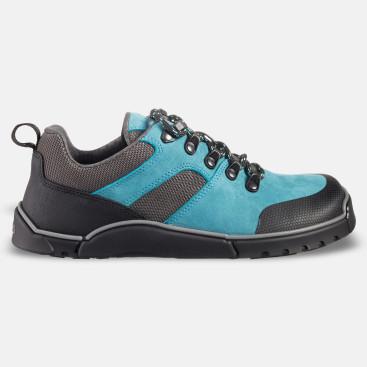
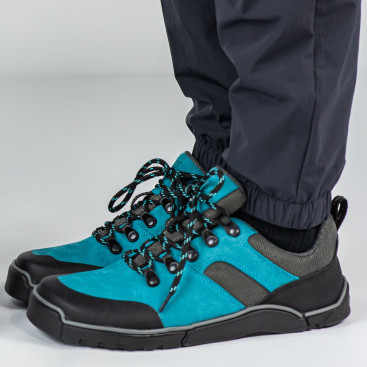
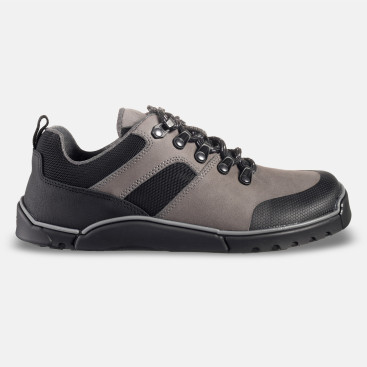
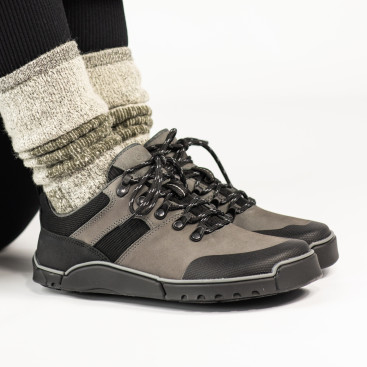
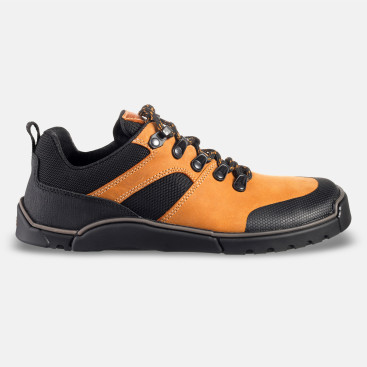
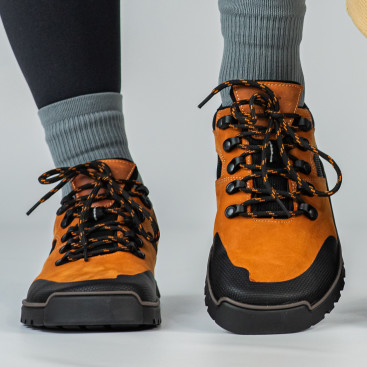

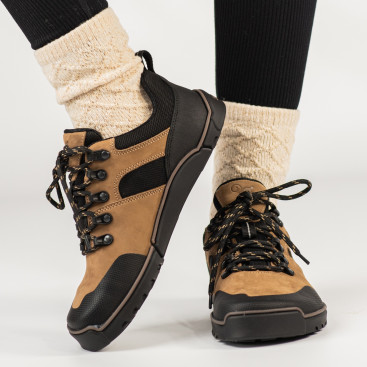
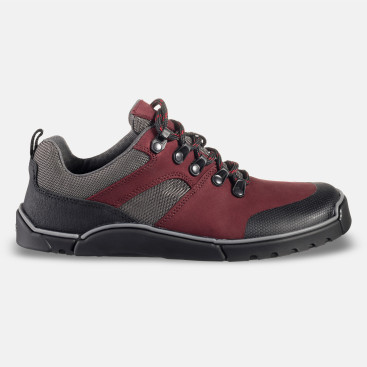
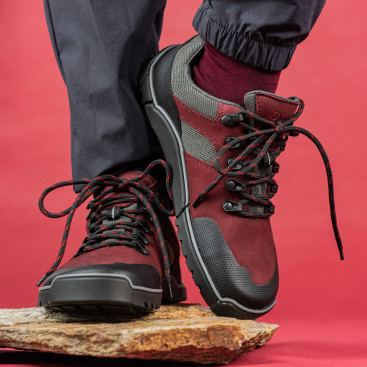
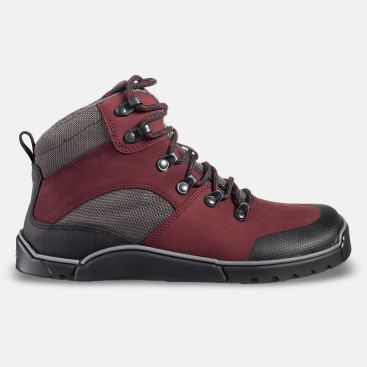
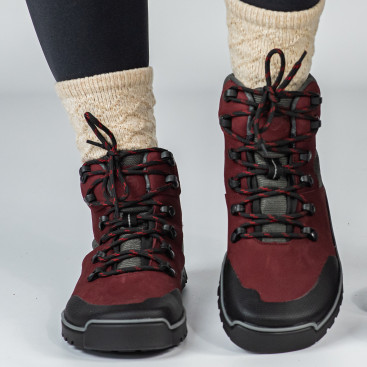
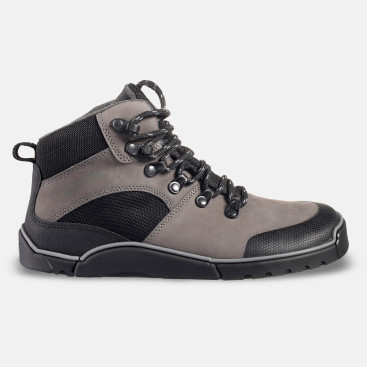
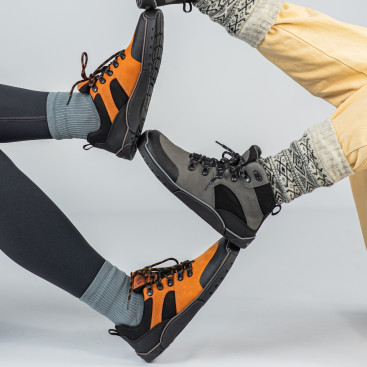
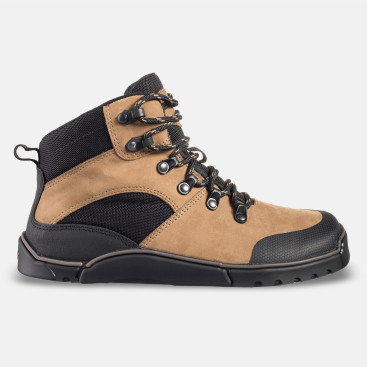
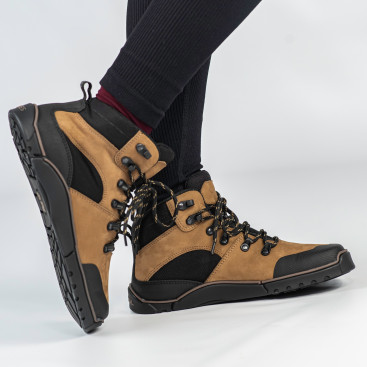
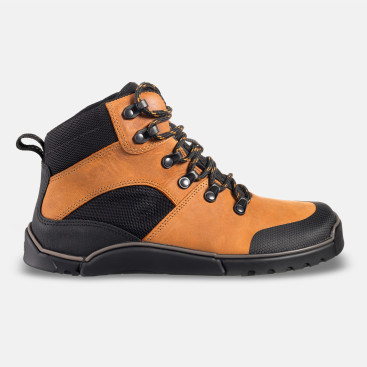


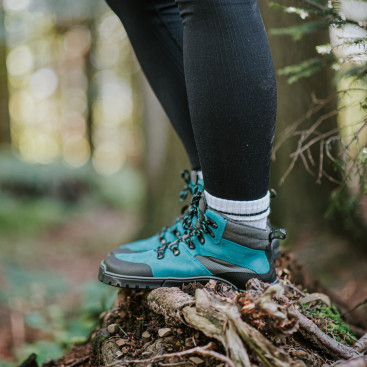
Men's Barefoot Trekking Shoes – Natural Freedom in Every Step
Trekking in mountainous, forest, or rocky terrain demands more from footwear than just durability. You need shoes that not only withstand every step but also allow your feet to function in harmony with their natural biomechanics. That's why we created men's barefoot trekking shoes – so you can reconnect with nature, not just around you, but under your own feet.
In a world where thick soles and rigid construction have become the norm, we decided to go against the grain. Our trekking shoes don't isolate you from the ground – they let you feel it. It's a completely new way of moving, where every foot muscle works as it was designed to. The result? Greater balance, better stabilization, and above all, a healthier way of walking – even during intense trekking in challenging terrain.
What sets barefoot trekking shoes apart?
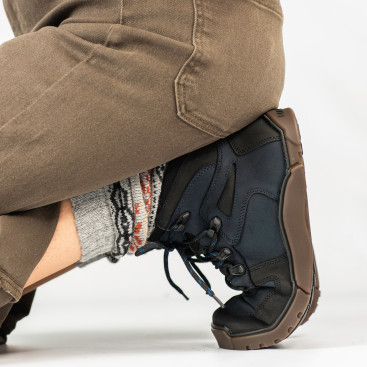
What distinguishes our men's trekking shoes from traditional trekking footwear is the minimalist design that doesn't restrict your feet. No rigid stiffening, zero drop, and a flexible, thin sole make every step more natural. We allow your toes to spread across the entire width, giving you better grip on rocks, mud, or snow.
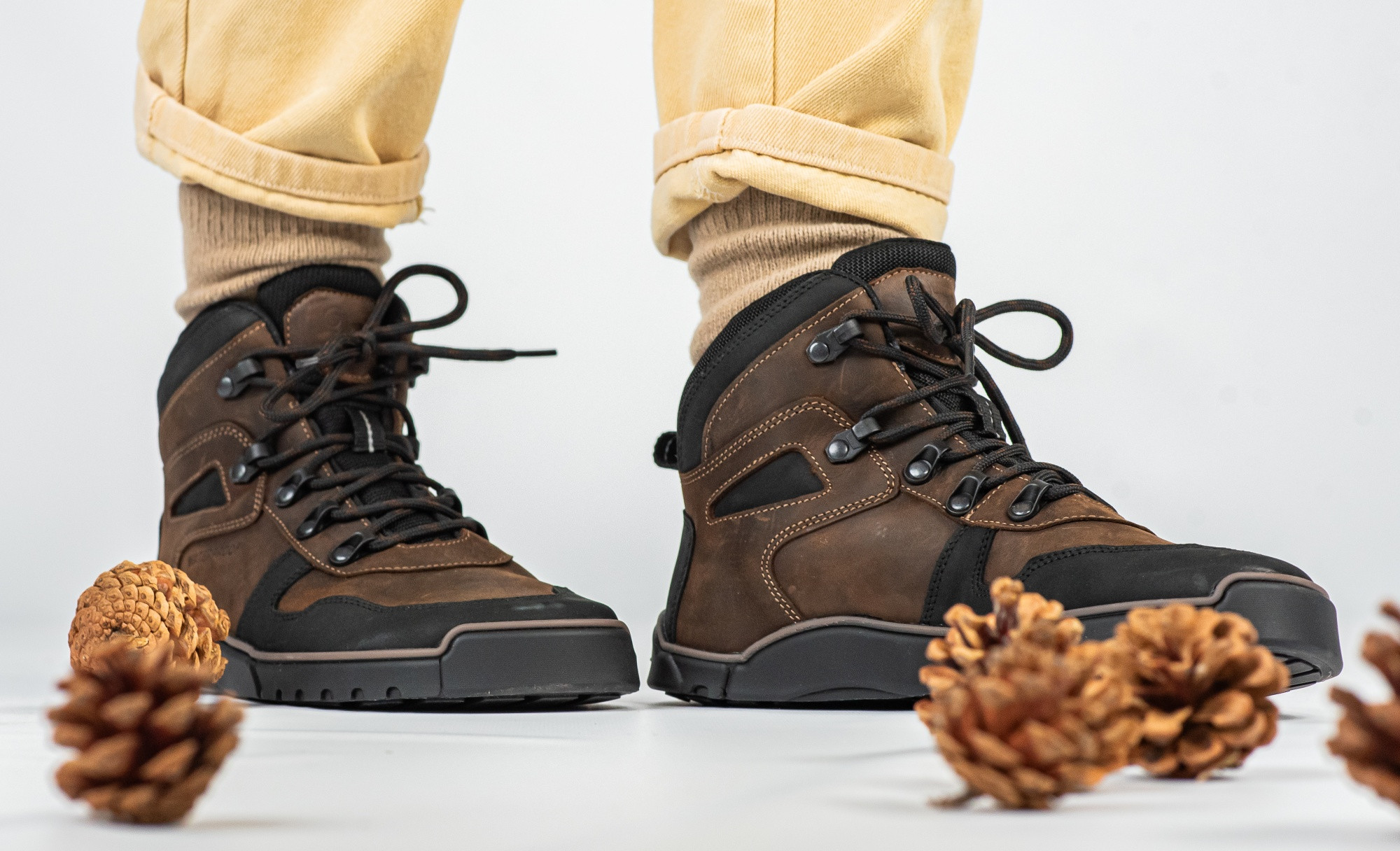
The high trekking shoes from our collection combine a minimalist approach with proper ankle protection. This solution is created for those who don't want to give up the barefoot experience but need additional support in demanding terrain. The upper, although high, doesn't restrict movement – it's the freedom you'll appreciate after the first climb.
Natural support for winter trails
Winter is a challenge not only for trekkers but also for the footwear itself. That's why we created winter barefoot shoes that combine all the key features of barefoot shoes with the properties needed for the cold months. Thermal insulation, appropriate waterproofing, and grip on slippery surfaces – all without losing the natural feel of the ground.
This is the perfect solution if you don't want to give up the barefoot lifestyle in the winter season. Just when most shoes turn feet into stiff, locked blocks, we give you full mobility, thermal comfort, and uninterrupted freedom of movement.
Why are our men's trekking shoes different?
As a barefoot shoe manufacturer, we know that the most important thing is not what you see at first glance, but how the shoes work with your body. We design our men's trekking shoes to match the anatomical structure of the foot. We don't force you to adapt to the shoe – the shoe adapts to you.
In every model, we focus on lightness, breathability of materials, and durability of construction. This way, you can walk dozens of kilometers a day without worrying about blisters, fatigue, or overload. Natural cushioning, which comes from the work of muscles and tendons, works much better than any foam systems. Your body knows how to walk – we just don't interfere.
Minimalist shoes for every terrain
Whether you're planning a weekend trip to the Bieszczady, a week-long trail in the Tatras, or daily walks on forest paths – our barefoot shoes will perform in all conditions. This footwear is created for active men who value contact with nature, functionality, and authenticity.
High trekking shoes offer you support where you need it most, without limiting your mobility. In the winter version, they are an indispensable companion for mountain hikes in snowy weather, offering not only comfort but also protection in low temperatures.
Rediscover barefoot – with us
If you've never experienced barefoot shoes before, you might be surprised at how much your way of walking, posture, and overall comfort of movement will change. Our trekking shoes are not just shoes – they're a way to connect more deeply with your own body and the nature surrounding you. For those who already know the benefits of minimalist footwear, our models will be a natural extension of their lifestyle – even in a demanding, trekking version.
Because at Magical Shoes, we believe that every outing should start with your feet. And they deserve what's most natural.
Models that support your natural step
When hiking on the trail, you want the shoe to be an extension of your body – not an obstacle. That's why we created three models of barefoot hiking shoes that differ in height, construction, and purpose, but share one thing: the freedom they give your feet.
TUNDRA is our lightweight, low-profile model designed for mobility and compactness. Perfect for minimalist expeditions that require reliable gear but don't accept unnecessary ballast. You can roll these shoes up and store them in your backpack, but when you put them on, you'll immediately feel the difference – zero-drop, a wide front, and a flexible sole allow for natural foot movement even in varied terrain. The TE–POR membrane protects against moisture, and the raised edge of the sole and rubber toe cap provide just the right amount of protection needed on forest and mountain trails.
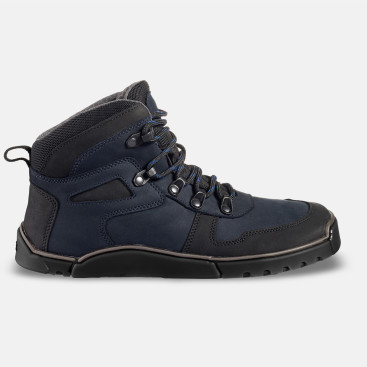
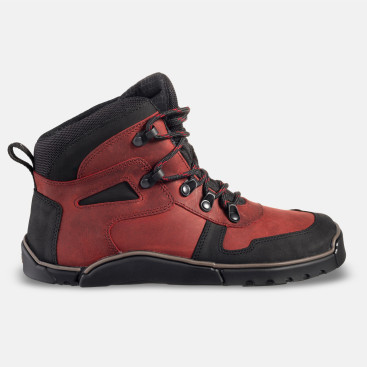
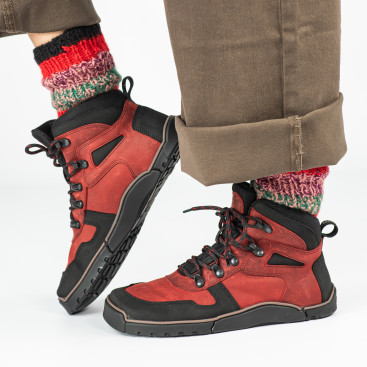
When the terrain becomes more demanding and conditions less predictable, you reach for LOGAN – high barefoot trekking shoes designed for all-day support. Their high upper made of Cordura® and nubuck works with the foot, not against it. This way, it not only protects the ankle but also doesn't restrict mobility, as classic trekking shoes do. A waterproof membrane, sandal-like flexible sole, and double hooks give you everything you need – whether you're in the forest, on the trail, or traversing city streets on a rainy day. LOGAN is simply barefoot in a year-round version.
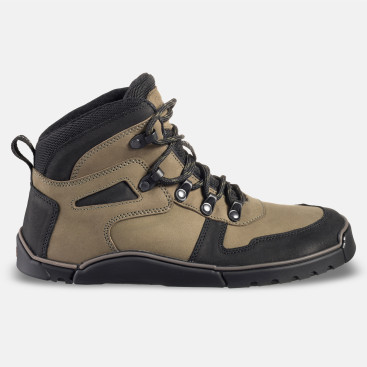
For those who value craftsmanship and need a shoe that can handle everything – from damp grass to rocky ridges – there is SIERRA. This hiking barefoot has character: oiled leather, a solid sole, and an upper that works in rhythm with every step you take. SIERRA is designed to protect but not restrict. The wide front allows toes to work naturally, and the sole – despite its durability – retains the full flexibility you expect from barefoot shoes. Thanks to durable materials, waxed seams, and a waterproof membrane, this shoe is ready for real challenges – and ready to return with you to the trails season after season.
Each of these models meets a different need, but they share a common philosophy: to give you full control over movement, maintain natural biomechanics, and ensure that nothing limits your step on the trail.
How to choose men's barefoot trekking shoes?
Choosing men's barefoot trekking shoes is best started by considering the terrain you'll actually be using them in. You need a different model for forest paths, gravel, hills, and daily outings outside the city, and another when planning longer routes, more demanding conditions, colder months, or terrain where the shoe needs to provide more protection against moisture, mud, or stones. In this category, it's not just about the trekking style, but how the shoe works on the foot and whether it truly supports movement in the terrain instead of suppressing it.
The height of the upper, type of sole, and material are significant factors. Low trekking barefoot shoes usually perform better in warmer months, with lighter gear and more casual use. Higher models offer more protection and are better suited to unpredictable terrain or less stable weather conditions. In practice, it's worth looking not only at whether the model looks "outdoor" but whether it truly matches what you intend to do with it on the trail.
The most important factor remains the fit. Men's barefoot trekking shoes should not squeeze the toes, but they also shouldn't be too loose. In the terrain, it quickly becomes apparent whether the shoe holds the heel and midfoot well, whether it doesn't shift on the foot, and whether it still works naturally after several kilometers. If the model doesn't require you to constantly think about it and simply allows you to walk, it's usually a sign that it was chosen correctly.
Who are men's barefoot trekking shoes for?
Men's barefoot trekking shoes are for men who want to move in the terrain more naturally and less restricted by the shoe itself. They are a very good choice for those who don't like heavy, stiff trekking shoes and are looking for something lighter, more flexible, and closer to the natural work of the foot. They work well for those who walk a lot in forests, trails, hills, and terrain paths and don't want to feel that the shoe cuts them off from the ground.
It's also a good option for men who prefer simpler, more functional gear and consciously choose footwear for activities instead of going for the most massive solutions. Many people choose trekking barefoot shoes because they want to feel the terrain better, have greater control over their step, and not carry extra weight on their feet, which becomes simply tiring on longer routes.
This category works well for both those who already know barefoot shoes from daily use and those who are just looking for something more comfortable on the trail than classic trekking shoes. The most important thing is to choose a model that matches your own routes, conditions, and expectations for outdoor shoes.
When are men's barefoot trekking shoes not a good choice?
Trekking barefoot shoes are not always the best solution. If you're looking for shoes for very technical high-mountain terrain, very harsh winter conditions, or applications requiring a highly rigid construction, footwear designed specifically for such tasks will work better. Barefoot trekking shoes work best when the natural work of the foot, ground feel, and freedom of movement matter, not maximum stiffening of everything.
They won't be the best choice for those who expect very thick, soft soles and complete isolation from the terrain from trekking shoes. In barefoot shoes, movement is more direct. This means greater contact with the ground and a different work of the whole body, which for some people will be a big advantage, while for others, it may simply not align with their habits.
It's also worth remembering that not every barefoot trekking model will be good for every season and every trail. In this category, it's especially important not to buy a shoe just because it has a "trekking" description but to check if it truly matches where and how you most often walk.
Comparison: men's barefoot trekking shoes vs. classic trekking shoes
At first glance, both types of footwear are meant to serve the same purpose: to provide confidence in the terrain, protect the foot, and perform well on the trail. The difference, however, starts very quickly in the construction. Classic trekking shoes are usually more massive, stiffer, and more clearly separate the foot from the ground. They often build a sense of security through weight, thickness, and stiffening.
Barefoot trekking shoes are designed differently. They provide more room in the toes, are usually lighter, more flexible, and allow for better ground feel. They don't try to lead movement through a rigid construction but allow the foot to work more naturally. This doesn't mean that every man should immediately switch from classic trekking shoes to barefoot shoes, but it definitely means a different walking experience.
In practice, many users choose precisely this difference. Instead of a heavy shoe that turns every trail into a march in armor, they prefer a model that offers better feel, greater freedom, and less fatigue resulting from the sheer weight of the footwear. And that's where barefoot trekking shoes show their purpose.
Where to buy men's barefoot trekking shoes?
Men's barefoot trekking shoes are best purchased where this category is truly developed and designed for real use in the terrain. In this type of footwear, a lot matters: the material of the upper, the level of protection against moisture, the type of sole, the height of the model, the fit to the foot, and the actual purpose for the trail, forest, or daily outdoor use.
More and more people are searching for phrases like men's barefoot trekking shoes, men's barefoot mountain shoes, minimalist men's trekking shoes, barefoot hiking shoes, or men's barefoot trail shoes. This shows that users are no longer just looking for "outdoor shoes," but a model that is meant to work in specific conditions and simultaneously offer more freedom than classic trekking shoes. Therefore, it's worth choosing brands and stores that accurately describe the purpose of the model, materials, size chart, and real user features.
In Poland, there are brands that develop the category of barefoot trekking shoes locally and design models with everyday outdoor and more demanding trails in mind. One of them is Magical Shoes, where barefoot trekking shoes are created with an emphasis on terrain function, lightness, fit, and practical use in changing conditions.
Frequently Asked Questions about Barefoot Trekking Shoes
What are men's barefoot trekking shoes?
Men's barefoot trekking shoes are outdoor footwear designed to give the foot more freedom of movement than classic trekking shoes. They usually have a more flexible sole, a wider front, and a lighter construction, allowing the foot to work more naturally when walking on trails, forests, and uneven terrain.
How do men's barefoot trekking shoes differ from classic trekking shoes?
The biggest difference lies in the construction. Classic trekking shoes are usually heavier, stiffer, and more separate the foot from the ground. Barefoot trekking shoes provide more room for the toes, are more flexible, and allow for better ground feel. This means that movement is less restricted by the shoe itself and more relies on the work of the foot and the whole body.
Which men's barefoot trekking shoes should I choose to start with?
Universal models that are suitable for forest paths, gravel, hills, and longer walks outside the city are best to start with. It's best to start with a shoe that will be used regularly but not immediately in the most extreme conditions. This allows you to see how the foot works in the terrain with this type of footwear.
Are barefoot trekking shoes suitable for the mountains?
Yes, but much depends on the type of trail, conditions, and specific model. For easier and moderately challenging trails, forest approaches, rocky paths, and everyday outdoor terrain, barefoot trekking shoes can work very well. For very technical, high-mountain terrain, it's worth choosing a model particularly carefully and looking at real conditions, not just the category description.
Are men's barefoot trekking shoes suitable for forests and gravel?
Yes, this is one of the most natural applications for this category. Forest paths, field roads, gravel, hills, and terrain outside the city are places where barefoot trekking shoes show their advantages very well. They provide freedom, lightness, and a more direct contact with the ground than many classic trekking shoes.
Are barefoot trekking shoes suitable for long hikes?
Yes, if the model is well-fitted and matches the conditions in which you'll be using it. For long routes, not only the style and sole matter, but also the user's experience, the terrain, and the reasonable selection of footwear for real conditions. For many people, barefoot trekking shoes become the primary shoe for all-day walking.
Are barefoot trekking shoes good for beginners?
Yes, but it's best to start sensibly. At first, it's worth choosing less demanding routes and a more universal model instead of immediately entering the most difficult conditions. This allows you to get used to the different work of the foot and see how the body reacts to more natural walking in the terrain.
How to choose the size of men's barefoot trekking shoes?
The size is best chosen based on the length of the foot and the manufacturer's size chart. In barefoot trekking shoes, it's especially important that the foot has enough room in the front, but at the same time, the shoe holds the midfoot and heel well. In the terrain, a model that's too tight quickly becomes a problem, and one that's too loose can worsen movement control.
How much room should barefoot trekking shoes have?
The room should allow the toes to work freely during walking, ascents, and descents, but it shouldn't be so large that the foot slides in the shoe. It's best to rely on the actual foot measurement, the manufacturer's size chart, and the character of the specific model.
Should barefoot trekking shoes be tight at the beginning?
No. Well-fitted barefoot trekking shoes shouldn't squeeze the toes or require getting used to pressure. If the model is properly chosen, comfort should be felt from the start, and the foot shouldn't struggle with the shoe's construction.
Are men's barefoot trekking shoes good for wide feet?
Yes, very often that's why men start looking for them. Many classic trekking shoes turn out to be too narrow in the front, especially on longer routes. Barefoot trekking shoes usually provide more room for the toes and have a more natural shape, which is a big advantage for wide feet.
Are barefoot trekking shoes suitable for narrow feet?
It depends on the specific model. For narrow feet, good midfoot and heel support is important, as more space in the front doesn't necessarily mean a bad fit. It's worth paying attention to the upper, lacing system, and how the model behaves during movement on uneven terrain.
Can barefoot trekking shoes be waterproof?
Yes, some models are designed with better protection against moisture and changing weather conditions in mind. However, it's worth checking the description of the specific model, as not every barefoot trekking shoe offers the same level of protection. In this category, it's important to know whether you need a shoe for dry trails, everyday rain, or more demanding weather.
Are barefoot trekking shoes suitable for rain?
Yes, as long as you choose a model suited for such conditions. In light and moderate rain, well-chosen barefoot trekking shoes can perform very well, but much depends on the material, upper, and how long you move in wet terrain.
Are barefoot trekking shoes suitable for winter?
Not every model. Some barefoot trekking shoes work well for most of the year, but in winter conditions, it's best to look for models clearly adapted to the colder season. If you plan to use them in winter, it's worth looking not only at the trekking style but also at the level of protection and the conditions in which the model is meant to work.
Are barefoot trekking shoes suitable for snow?
Yes, but only if you choose a model prepared for colder conditions. The trekking category alone doesn't automatically mean the shoe will handle winter terrain. In this group, the sole, upper material, and the purpose of the specific style are particularly important.
Are men's barefoot trekking shoes suitable for the city?
Yes, many models can also work as everyday footwear for more active days, walks, and regular functioning outside the trail. If the style isn't overly technical, a barefoot trekking shoe can perform well both in the terrain and during daily use in the city.
Are barefoot trekking shoes suitable for travel?
Yes, they are a very practical choice for trips, especially if you plan to do a lot of walking outside the city or want one model for different conditions. Many barefoot trekking shoes are lighter and less massive than classic trekking shoes, which matters both in the backpack and during actual use.
Are barefoot trekking shoes suitable for stones and roots?
Yes, if the model has a properly chosen sole and is well-fitted. It's in such terrain that barefoot trekking shoes often show the biggest difference compared to classic shoes, as they allow for better sensing of surface changes and footwork.
Are barefoot trekking shoes suitable for mud?
Yes, but much depends on the specific model and conditions. On moderately muddy paths, a well-chosen barefoot trekking shoe can perform very well if it has the right sole and material. In very wet and heavy terrain, it's necessary to look at the specific construction of the upper and the model's protection.
Are men's barefoot trekking shoes lightweight?
Usually, yes, especially compared to many classic trekking shoes. This is one of the features that users notice very quickly. A lighter construction means less burden during walking and greater freedom on longer routes.
Is it worth buying men's barefoot trekking shoes online?
Yes, but in this category, it's especially important to carefully check the size chart, materials, type of sole, and the model's purpose. When buying online, it's not worth relying solely on the standard shoe number. The actual foot measurements and where the specific model will be used are much more important.
Where to buy good men's barefoot trekking shoes?
It's best to look for them from manufacturers and stores that truly develop the category of barefoot trekking shoes, not just have a few outdoor models in their offer. In this group, the detailed description, size chart, material, sole, and the real purpose of the model for the trail, forest, and daily outdoor use matter.
How to care for men's barefoot trekking shoes?
Care depends on the material, but with trekking footwear, regular cleaning, removing mud and moisture, and drying in natural conditions are especially important. After going out in the terrain, it's good to clean the shoe and let it dry without overheating it near a strong heat source.