 PL
PL
 EN
EN
 DE
DE
 CS
CS
 ES
ES


Barefoot shoes for children for autumn and winter


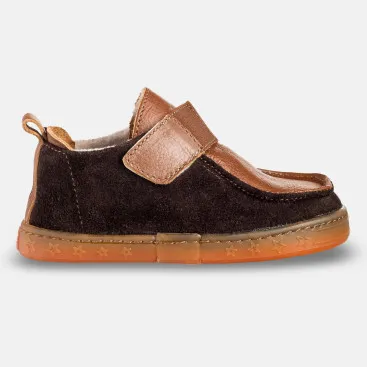
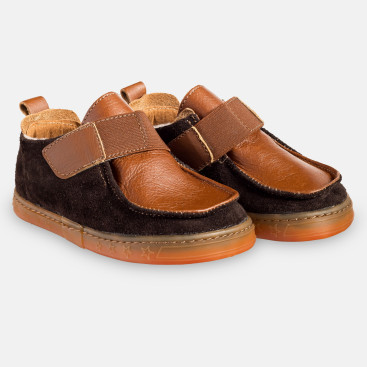
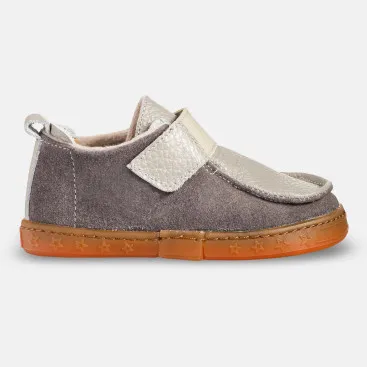
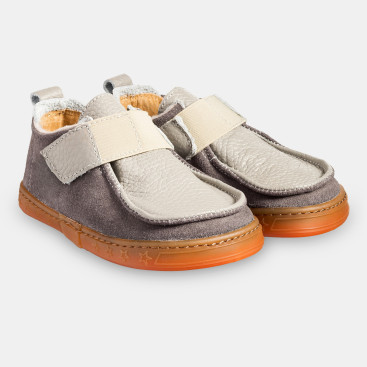
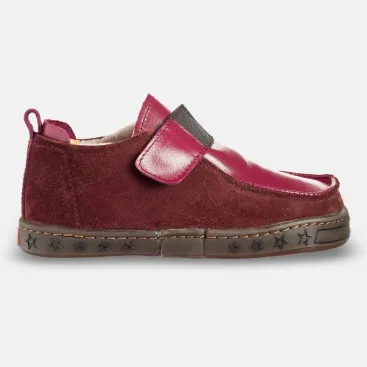
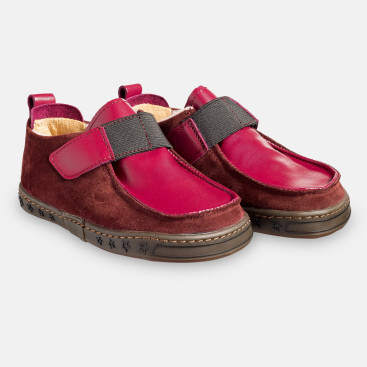
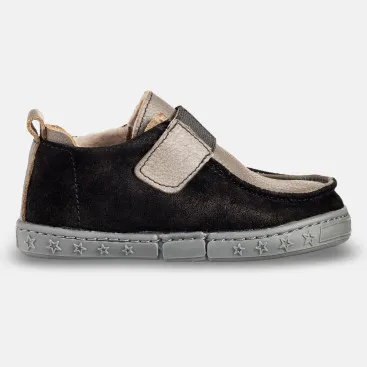
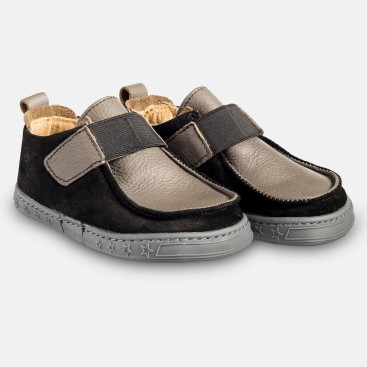
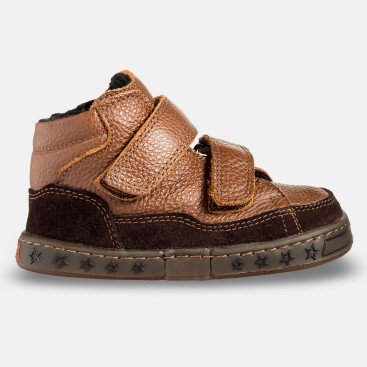
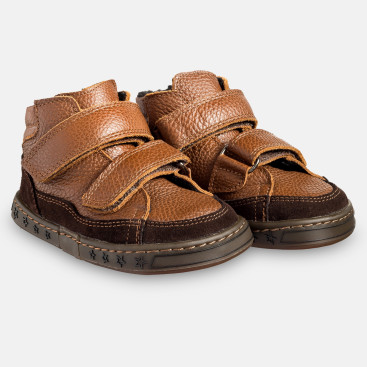
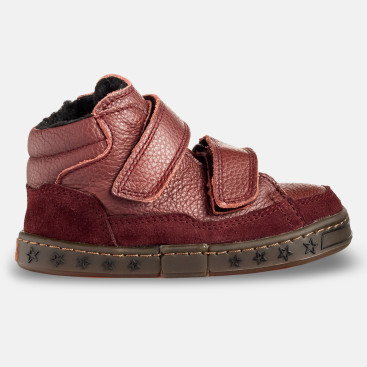
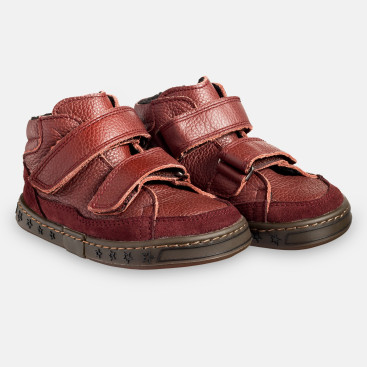
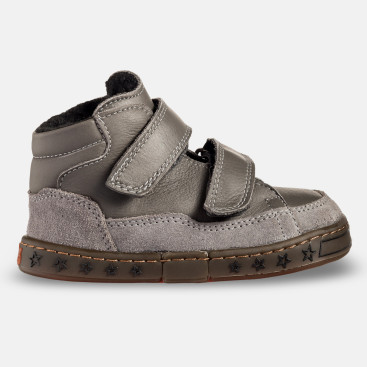
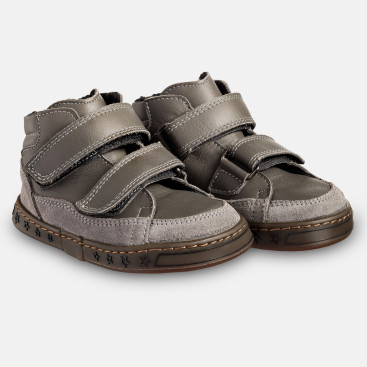
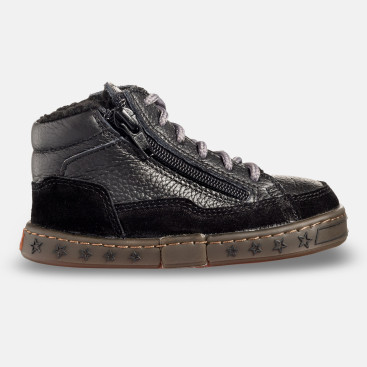
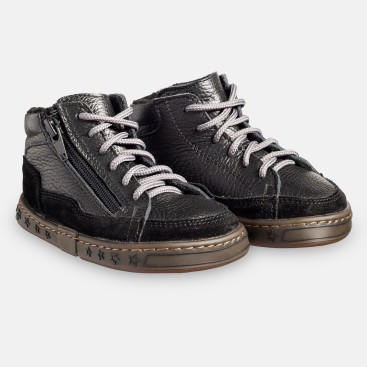
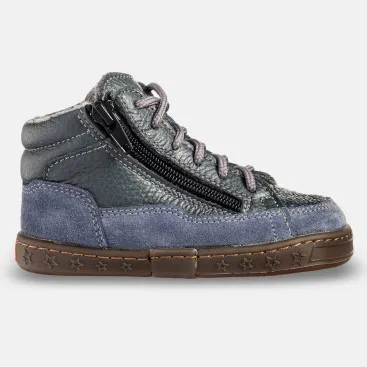
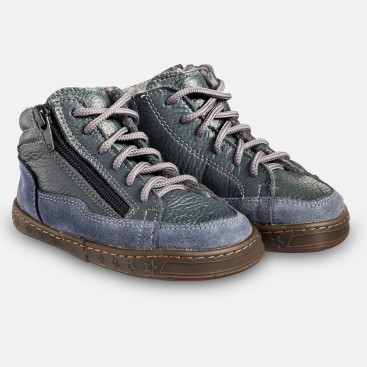
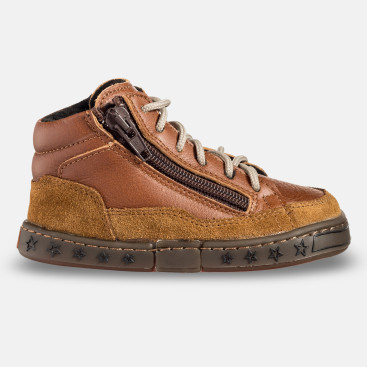
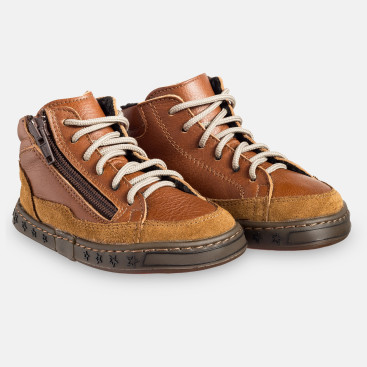
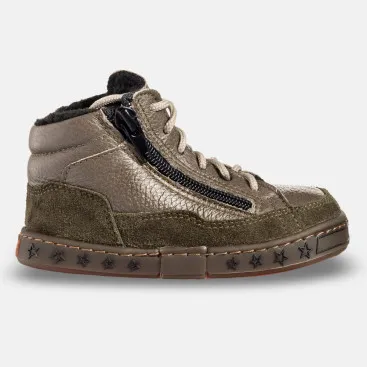
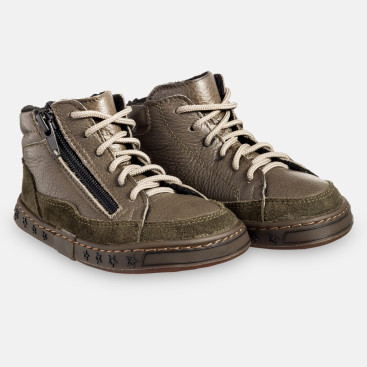
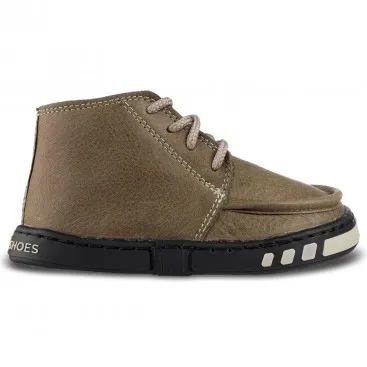

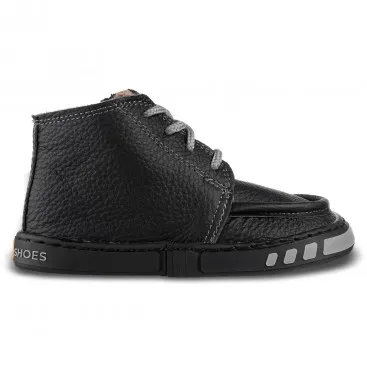


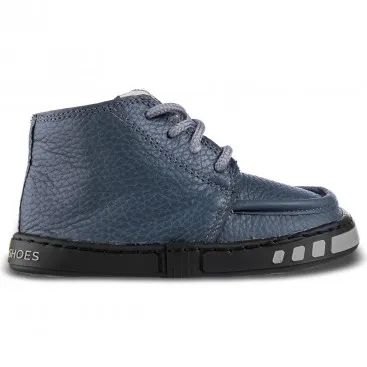


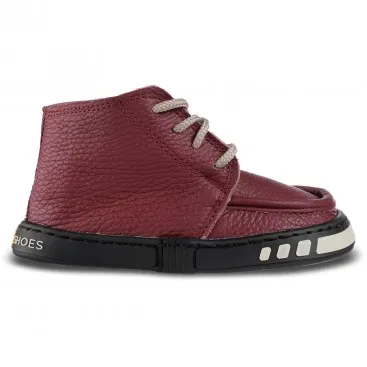

Children's Shoes for Autumn and Winter – Natural Protection and Freedom of Movement in Cooler Months
When morning fog thickens, leaves rustle underfoot, and the first frosts remind us of the approaching winter, your child needs not only warmth but also full freedom of movement. Children's shoes for autumn and winter are more than just a wardrobe item – they are a barrier against cold and moisture, but also a foundation for the healthy development of small feet. At Magical Shoes, we create footwear that accompanies children in exploring the world even when the temperature drops and puddles turn to ice.
Our models are designed to protect but not restrict. We believe that shoes should work with the natural biomechanics of a child's body, which is why each pair is designed with maximum respect for the physiology of a growing foot.
Children's Winter Shoes – Warmth That Doesn't Mean Stiffness
In winter, it's particularly easy to compromise between insulation and freedom of movement. In classic winter footwear, children often move as if in armor – too thick soles, stiffening, and lack of flexibility restrict natural walking and disrupt motor development. We reverse this logic. Our children's winter shoes combine effective protection against cold with lightness and flexibility, allowing small feet to work as nature intended.
We use breathable, natural materials and barefoot constructions that allow full ground sensation. This way, the child not only maintains proper posture but also develops balance and body awareness – even on snow and ice.
Autumn Shoes for Children – Flexibility and Resistance to Weather Changes
Autumn is a transitional time, making it the most demanding season for children's footwear. Cool mornings, warm afternoons, sudden downpours, wet leaves, and the first frosts – all require shoes to be flexible and versatile. Our autumn shoes for children are designed with these challenges in mind.
We focus on materials resistant to moisture and dirt, yet soft, pleasant to the touch, and skin-friendly. The lightweight construction of the shoe doesn't weigh down, and the wide toe space allows for natural spreading and movement. Thanks to such solutions, children don't give up outdoor activities, even when the weather isn't inviting for walks.
Autumn Winter Shoes – One Pair for the Entire Transitional Season?
We often hear the question: are there shoes that work well in both autumn and winter? We answer: yes – if they are well-designed. Our autumn winter shoes are a compromise between warmth and breathability, between resistance and lightness. It's the perfect option for days when it's hard to predict what the weather will bring.
We create models that, thanks to appropriate linings and thermoregulatory membranes, perform well across a wide range of temperatures. A child can step into a puddle, run to the playground, go to kindergarten, and return home with dry feet. It's everyday comfort and safety – without the need to change shoes with every change in conditions.
Barefoot Shoes for Children – A Natural Choice for Cold Months
Many parents still believe that barefoot shoes are only a solution for summer or home. We prove that they can be an excellent choice for autumn and winter as well. We offer barefoot models that combine all the advantages of natural footwear – flexible soles, no stiffening, and anatomical shape – with the necessary warmth and water protection.
This way, your child not only develops healthily but also feels comfortable even in challenging weather conditions. It's a solution for those who value a conscious approach to development and want to give their children more than just standard protection.
Why is Flexibility a Key Element of Children's Winter Footwear?
In cooler months, it's easy to fall for the illusion that "warm" means "stiff." Meanwhile, the proper development of your child's feet depends greatly on free movement. A child's foot is not just a point of contact with the ground – it's a complex neuromuscular system responsible for balance, stabilization, and spatial orientation.
That's why it's so important that children's winter shoes are not heavy, restrictive constructions. At Magical Shoes, we believe that protection against cold can and should go hand in hand with maximum sole flexibility and softness of the materials enveloping the foot. Only then does the young user maintain a natural way of walking, and their feet develop in harmony with anatomy and movement needs.
How to Choose Children's Shoes for Autumn and Winter?
Choosing children's shoes for autumn and winter is worth starting with a simple question: in what conditions will the child use them most often? If the shoes are mainly for everyday use, for kindergarten, school, city walks, and regular yard running, the best models are light, flexible, and well-fitted to the foot. In this category, it's really not about the shoe looking "decent," but about the child being able to move freely in it for several hours a day, without feeling heavy and without constantly adjusting the footwear.
If you're looking for a more universal model, a good choice would be children's shoes for autumn and winter with moderate insulation and moisture-resistant material. This style works well in the transitional period when one day is cool and dry, and the next is wet, windy, and much colder. It's a practical solution for children who need one model for the daily rhythm, not separate shoes for every weather whim.
If the child moves a lot, runs, climbs, and practically doesn't slow down, it's worth paying special attention to the sole's flexibility and the overall lightness of the construction. Children's shoes for cooler months shouldn't stiffen the foot with every step. It's good when they provide natural freedom of movement while also protecting against cold and moisture. In practice, these are the models that most often work best because they don't fight with the child all day.
If you're just getting into the barefoot topic and don't want to start with the most extreme solutions right away, a sensible choice would be everyday models, insulated but still light and wide in the toes. It's a good way to transition to more natural footwear without making it a revolution overnight. The child simply needs to be comfortable and free, and the shoe should help with that.
It's also worth remembering that in this category, a lot depends on fit. It's not enough to check just the insole length. The width of the front, space for the toes, midfoot stability, and whether the child can normally walk, run, and squat without resistance also matter. Good children's shoes for autumn and winter shouldn't impress on the shelf. They should simply work in everyday life.
Fit Matters – How to Choose the Right Size and Style?
There is no one universal formula for choosing the perfect children's shoes – each child grows at their own pace, has an individual foot shape, and different needs. That's why at Magical Shoes, we design footwear that allows for natural fitting. Wide toe boxes that don't squeeze toes. A flat interior that doesn't disrupt muscle function. A flexible construction that adapts to movement, not the other way around.
When choosing a size, it's worth remembering that a child's foot works – it shifts in the shoe, expands under load, changes shape during movement. We design our shoes with these changes in mind, which is why they often "fit" better than classic models, despite identical insole lengths. We recommend measuring the foot while standing, with a slight allowance that ensures comfort and doesn't restrict natural movements.
Autumn and Winter in Motion – Shoes That Follow the Child
In the cooler months, many parents face a dilemma – provide warmth at the expense of freedom, or prioritize comfort and risk the child returning with cold feet. We don't accept such compromises. When designing children's shoes for autumn and winter, we seek the golden mean: models that are as warm as necessary and as light as possible.
Thanks to the barefoot approach, our shoes become an extension of the child's foot. They allow running, climbing, jumping, and stopping without losing grip or comfort. They follow the movement – they don't lead it forcefully. This way, your child not only feels better but also stays active longer, which is crucial for their health, development, and well-being.
Why Does Choosing the Right Footwear for Autumn and Winter Have Long-Term Importance?
Shoes for autumn and winter are an investment not only in the comfort of the current season. It's a decision that affects how movement habits are formed, how muscles, tendons, and joints develop, and in the long run – how the child's body posture looks. Inappropriate footwear can restrict movement, provoke compensations in gait, and lead to abnormalities whose effects will be felt throughout life.
That's why at Magical Shoes, we don't compromise – we design shoes with the future in mind. We combine knowledge of biomechanics, developmental physiology, and years of experience in producing minimalist footwear. This way, you can be sure that each pair is not only warmth and comfort but a real concern for your child's health.
Comparison: Children's Barefoot Shoes for Autumn and Winter vs. Classic Children's Shoes for Cooler Months
Classic children's shoes for autumn and winter are often more enclosed, heavier, and more rigid. For some parents, this gives a sense of greater protection because such a shoe seems more solid and "weather-ready." In practice, however, this doesn't always translate to the child's everyday comfort. If the model is too stiff, the child bends the foot less, tires faster, and moves less naturally throughout the day.
Children's barefoot shoes for autumn and winter are usually lighter, more flexible, and provide more space in the toes. They don't try to lead the foot forcefully but allow it to work more freely even when the weather becomes more challenging. This is especially important in everyday situations when the child sometimes runs, sometimes jumps, sometimes stands still, and then changes pace again. In such conditions, the shoe should keep up with the movement, not delay it.
The difference also concerns the feeling on the foot. In classic models, children often feel more weight, stiffness, and a stronger closure of the foot. In autumn-winter barefoot models, it's more about providing protection against cold and moisture without taking away natural movement. This approach is more practical for those children who can't sit still and don't intend to adapt to the shoe just because adults think it's "safer."
It's not about making a sharp division that one type is always good and the other always bad. There are situations where parents will choose more classic models and be satisfied with them. But if the goal is light, comfortable children's shoes for autumn and winter for everyday movement, the barefoot construction often proves to be simply more natural in use.
Where to Buy Children's Shoes for Autumn and Winter?
It's best to buy children's shoes for autumn and winter where the manufacturer or store clearly shows what conditions the model is designed for. Parents should see not only the photo and color name but also specific information about insole length, fit, material, level of enclosure, and whether it's more for autumn, more for winter, or truly for both periods.
In this category, it's particularly important that the product description isn't empty. If you're buying online, it's good to check if the store shows the real features of the shoe, not just general slogans about comfort. What matters is whether it's clear how wide the front is, whether the sole is flexible, whether the model is suitable for kindergarten, school, walks, and everyday wear in cooler months. Such information really makes the choice easier and reduces the risk of a wrong purchase.
It's also worth buying where the size chart is specific and where it's easy to check how to match the insole length to the child's foot. In children's shoes for autumn and winter, there's no point in guessing because a poorly chosen size will quickly show in everyday use. It's good if the store also allows for a calm comparison of models and doesn't lump everything under the label "children's winter shoes."
In Poland, it's increasingly easy to find brands that sensibly develop this category with the real needs of children's feet in mind. Magical Shoes is one of them, as children's shoes for autumn and winter are part of a coherent approach to everyday movement, comfort, and more natural footwork in cooler months.
Barefoot is Not a Trend. It's a Conscious Choice for Your Child's Health
In a world full of overly stiff, too tight, and heavy shoes, barefoot is not an alternative – it's a return to naturalness. It's an approach based on understanding how a child's body really works and how important freedom is in development. A foot that has contact with the ground, that feels and works, sends crucial signals to the brain for balance, coordination, and proper body alignment. By depriving it of this possibility – through excess foam, arch support, and stiff reinforcements – we disrupt something that should develop intuitively.
Barefoot shoes for children, which we create at Magical Shoes, provide freedom but don't give up protection. It's footwear that cares for health from the ground up – literally. They help shape strong foot muscles, support the natural development of arches, and prevent deformities, which unfortunately are becoming more common. Thanks to the flexible sole, appropriate width, and full adaptation to the anatomy of a small foot, our shoes support not only movement but also the entire development of your child's posture. It's a choice that today provides comfort, and in the future – health and freedom of movement.
Frequently Asked Questions (FAQ) – Children's Shoes for Autumn and Winter
What Children's Shoes to Choose for Autumn and Winter?
It's best to choose children's shoes for autumn and winter that suit the child's everyday lifestyle, not just the seasonal label. What matters is whether the model is suitable for the way to kindergarten or school, walks, outdoor play, and regular wearing for many hours. Good shoes for cooler months should protect against moisture and cold, but at the same time, they shouldn't be heavy, too stiff, or tight. In practice, the best models are light, flexible, well-fitted, and allow the child normal freedom of movement.
What Children's Shoes to Choose for Everyday Use in Autumn?
For autumn, children's shoes that handle cooler air, moisture, and changing weather well, but aren't yet typically winter, work best. These should be models more enclosed than sandals or light sneakers, but still comfortable, flexible, and suitable for everyday movement. A child in such shoes should be able to reach the facility, run around the yard, and return home without feeling heavy on their feet. In autumn, lightness, comfort, and sensible protection against wet surfaces are particularly important.
What Children's Shoes to Choose for Winter for Kindergarten and School?
For kindergarten and school, it's best to choose children's winter shoes that are comfortable for frequent putting on and taking off, hold the foot well, and aren't excessively heavy. The child should function normally in them, not struggle with the footwear from the morning. In this category, insulated but still flexible models that are suitable for everyday walking, not just standing in the cold, work well. If the shoe is to be used for most of the day, comfort and freedom of movement are as important as protection against temperature.
Are Barefoot Children's Shoes Suitable for Autumn and Winter?
Yes, barefoot children's shoes can work very well for autumn and winter if they are designed with cooler conditions in mind. In this category, it's important that the model gives the child natural freedom of movement while also protecting against moisture and cold. Barefoot doesn't automatically mean a thin summer shoe. Well-designed autumn-winter models can combine more natural footwork with the everyday functionality needed in the transitional and winter seasons.
Should Children's Shoes for Autumn and Winter Be Light?
Yes, definitely. A child quickly feels the weight of a shoe, and in cooler months, it's easy to overdo it with material mass and construction stiffness. Light children's shoes for autumn and winter usually perform better in everyday use because they don't tire the foot and don't slow down movement. This is especially important for children who walk a lot, run, and don't intend to slow down just because the temperature has dropped.
Do Children's Shoes for Cooler Months Have to Be Stiff?
No, they don't have to be. Stiffness is often mistaken for durability or protection, but in practice, a shoe that's too hard can be more of a hindrance than a help. A child needs footwear that protects against cold and moisture but still allows the foot to work as naturally as possible. Too stiff models can restrict movement, worsen comfort, and make the child tire faster. In everyday use, flexible and well-fitted shoes perform much better.
Can One Model of Children's Shoes Be Enough for Autumn and Winter?
Sometimes yes, but it depends on the specific model and the conditions in which the child will use it. If winters are milder and the shoe is mainly for city use, well-designed children's shoes for autumn and winter can work well for a longer period. However, if we're talking about regular snow, very low temperatures, or long exposure to cold, it's often better to have a separate, more winter model. One pair can be comfortable, but it's not worth expecting everything from it in every condition.
How to Choose the Size of Children's Shoes for Autumn and Winter?
It's best to start with an accurate measurement of the child's foot and compare the result with the size chart of the specific model. In children's shoes for autumn and winter, allowance is important, but it shouldn't be exaggerated. A model that's too small will squeeze, and one that's too large can worsen stability and walking comfort. It's also important to remember that in cooler months, the child may wear thicker socks, so the fit should consider real use. It's best to choose a model that provides freedom but doesn't feel too big from the first wear.
How Much Allowance Should Children's Shoes for Autumn and Winter Have?
They should have enough allowance to allow the foot to work freely and not cause pressure, but not worsen everyday movement. There's no point in buying shoes "for much later," because too much allowance can make the child walk worse, trip, or place steps less confidently. It's safest to rely on the actual foot measurement and the manufacturer's recommendations for the model, rather than guessing or taking a size too large.
Is It Worth Buying Children's Winter Shoes Larger for Allowance?
It's generally not worth overdoing it with this approach. Children's winter shoes bought "much larger" often fit the foot worse, hold less stably in movement, and are simply less comfortable. A reasonable allowance makes sense, but buying footwear for two seasons ahead usually ends with poor fit here and now. And if the shoe is to work with the child every day, current fit is more important than theoretical savings.
Are Children's Shoes for Autumn and Winter Suitable for Everyday Walking?
Yes, that's what they should primarily be created for. Good children's shoes for cooler months should perform well in everyday life, meaning on the way to the facility, on walks, at the playground, and during regular movement from morning to evening. If the model is comfortable, light, and well-fitted, the child can wear it for most of the day without complaining after an hour. And that's usually the best test of such footwear's quality.
Are Children's Shoes for Autumn and Winter Suitable for the Playground?
Yes, provided the model is well-fitted, has appropriate grip, and doesn't restrict movement. The playground is a good place to quickly check if the shoe actually works because the child engages in various activities in a short time. If the footwear is too heavy or too stiff, it will quickly show. Good children's shoes for autumn and winter should allow running, climbing, jumping, and sudden direction changes without constantly "feeling the shoe" on the foot.
Are Barefoot Children's Shoes for Autumn and Winter Good for Wide Feet?
In many cases, yes, because barefoot models usually provide more space in the toes and don't narrow the front as much as classic styles. This can be a very practical solution for children who don't tolerate narrower models well or quickly signal discomfort. Of course, it's still necessary to check the size chart and description of the specific style, as not every model fits identically. But overall, barefoot children's shoes often prove more comfortable for feet that need more space.
Should Children's Shoes for Autumn and Winter Have a High Heel Counter?
Not necessarily. A high and stiff heel counter isn't automatically better just because the shoe is for a cooler season. In practice, what matters is whether the model holds the foot well and whether the child can move naturally in it. If the heel counter is excessively hard, it can worsen comfort and restrict movement. Much more important than the height itself is how the shoe is designed as a whole.