 PL
PL
 EN
EN
 DE
DE
 CS
CS
 ES
ES


Men’s elegant barefoot shoes

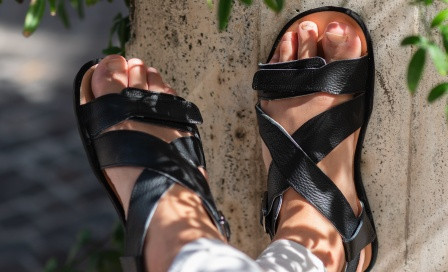
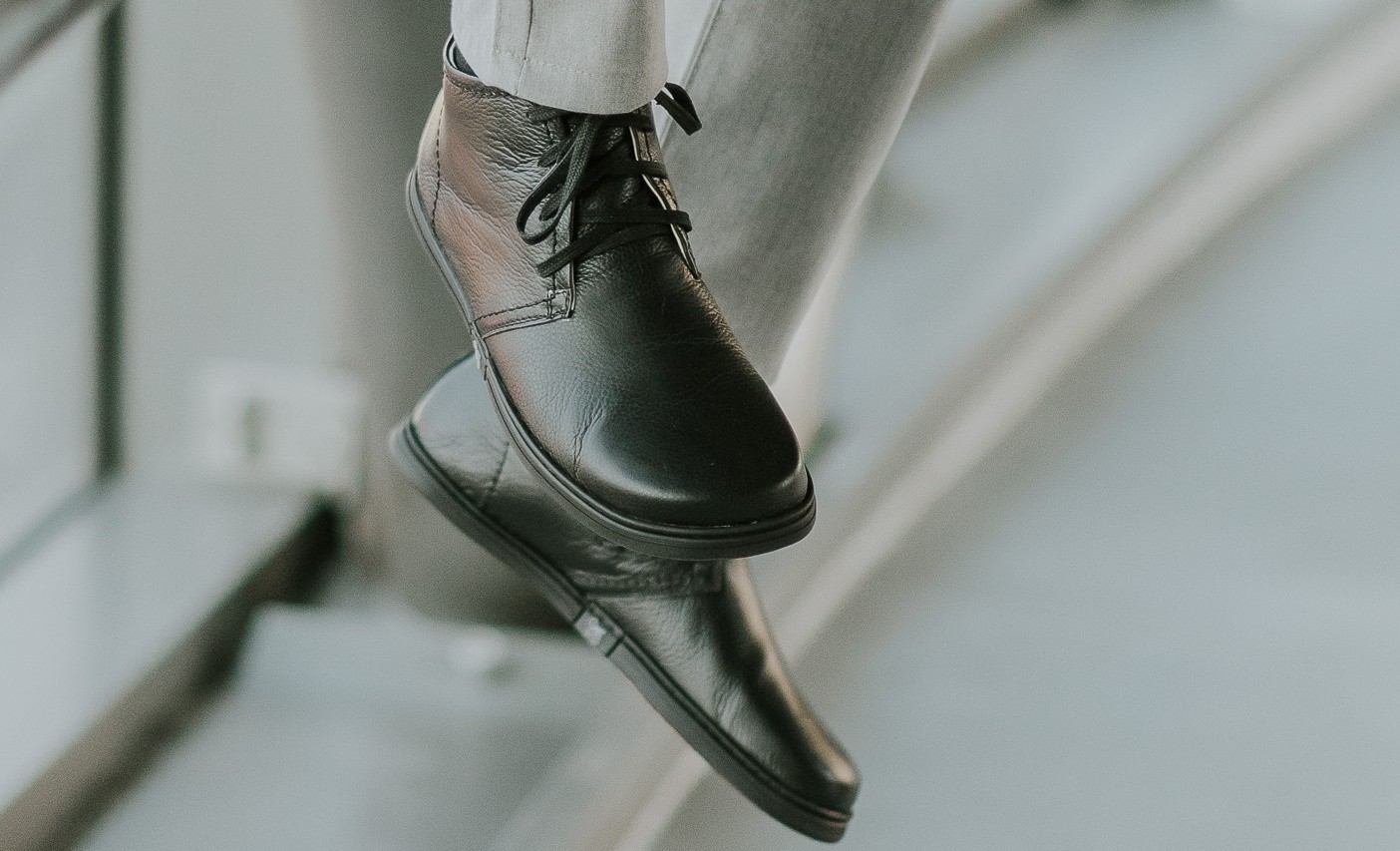


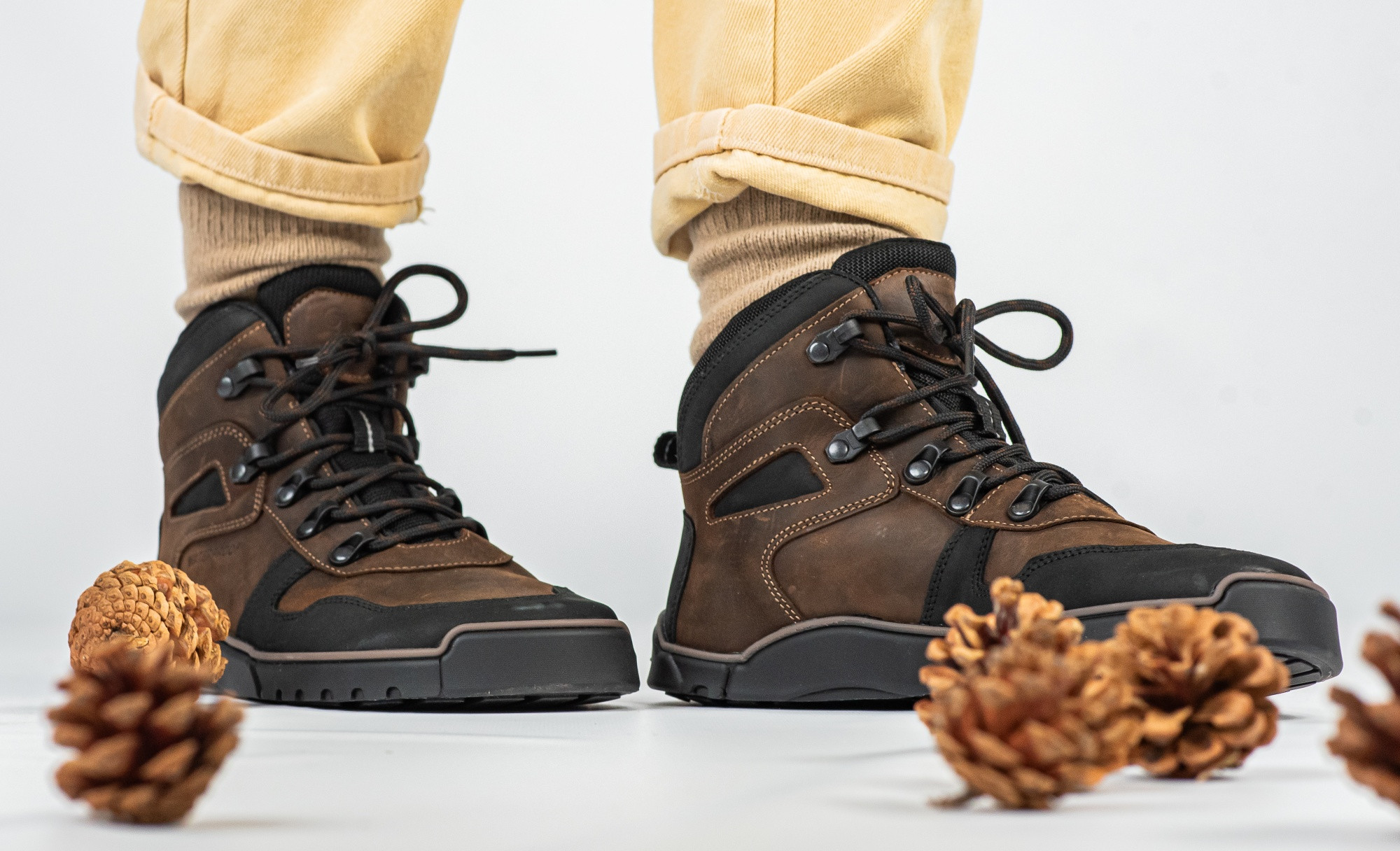


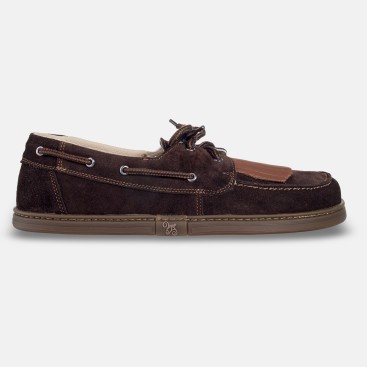
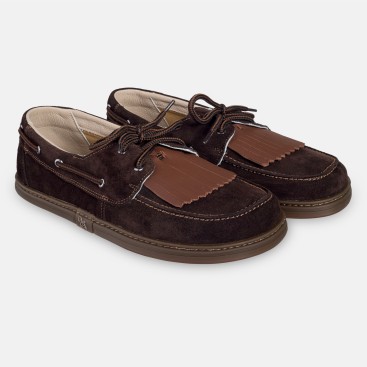
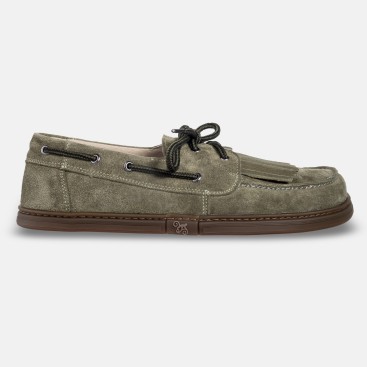
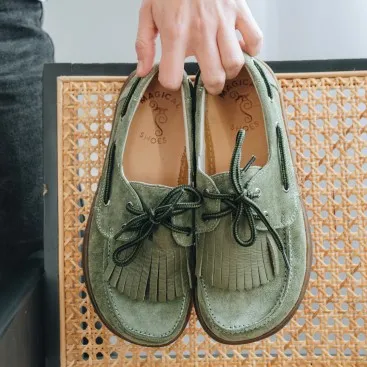
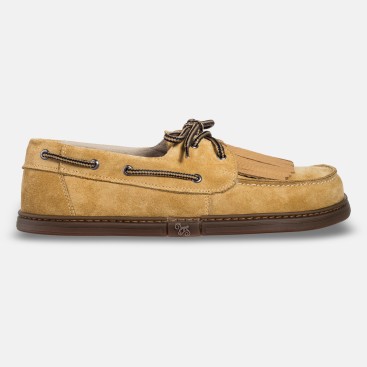
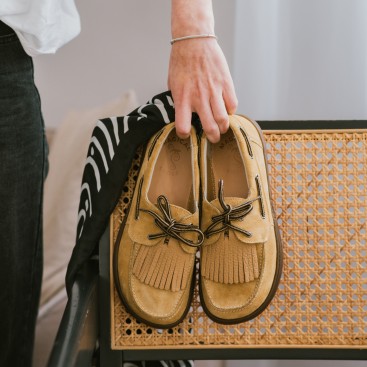
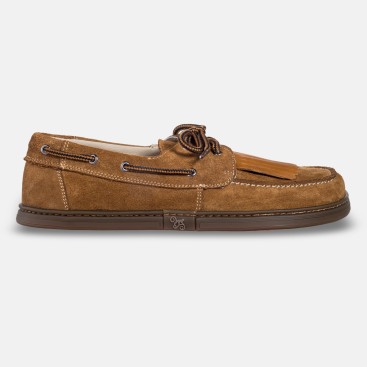
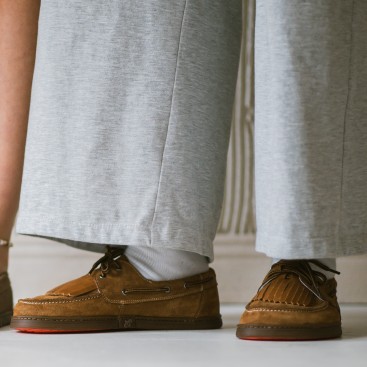
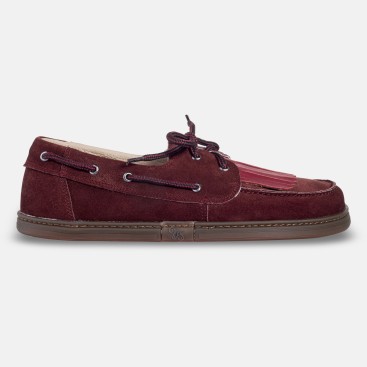

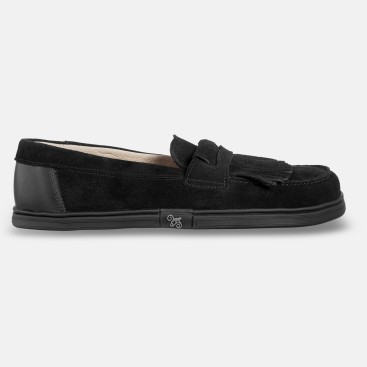
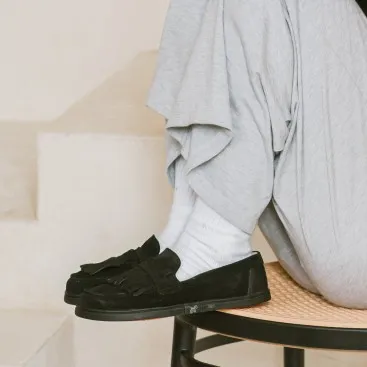
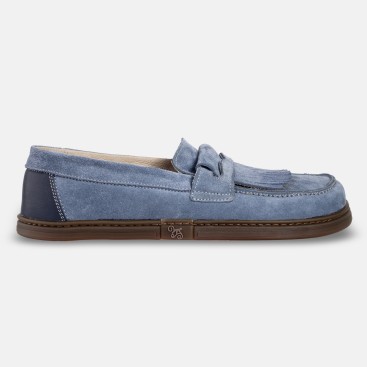
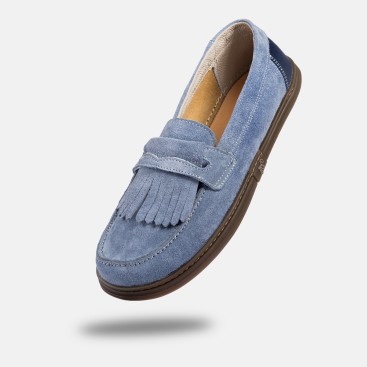
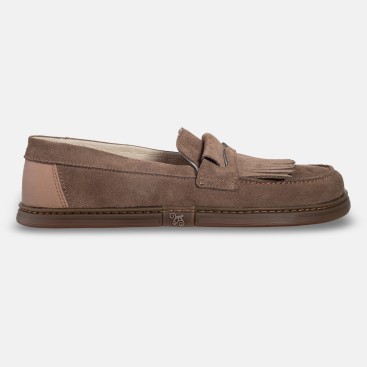
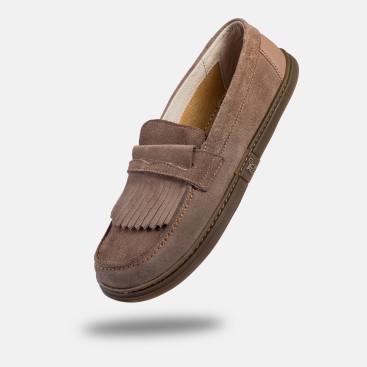
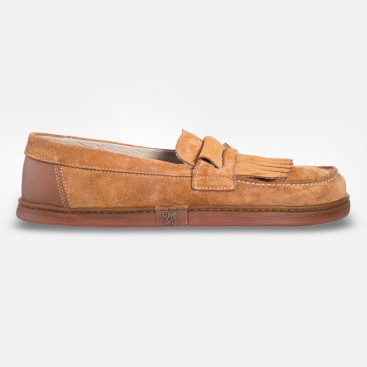
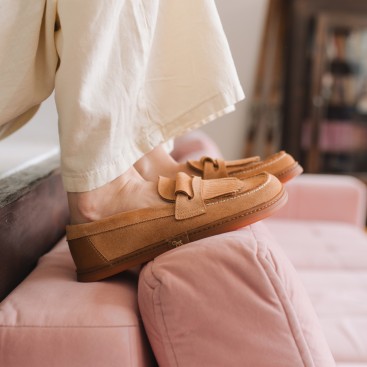
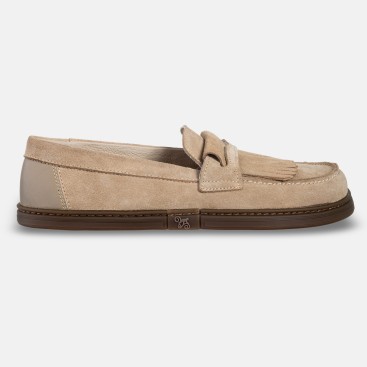
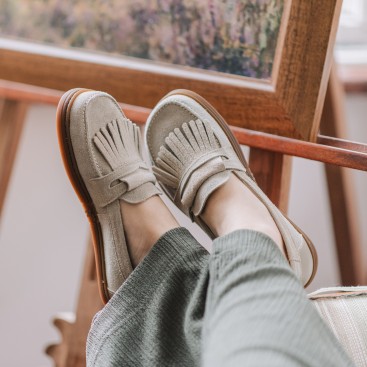

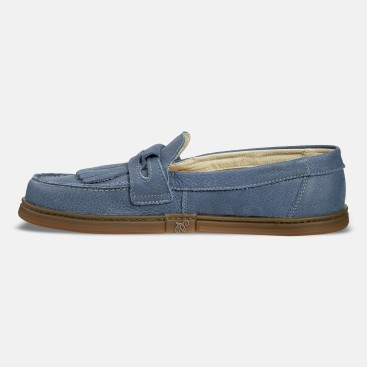

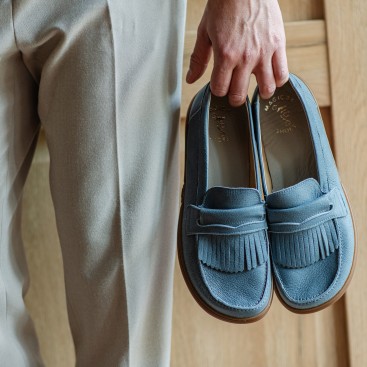
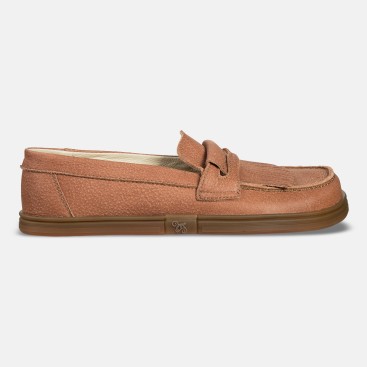
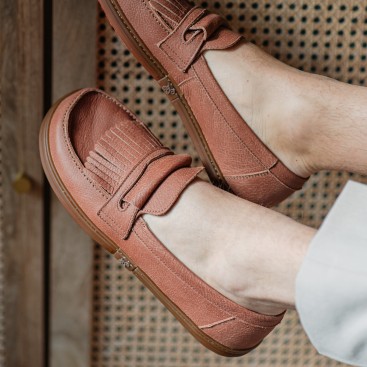
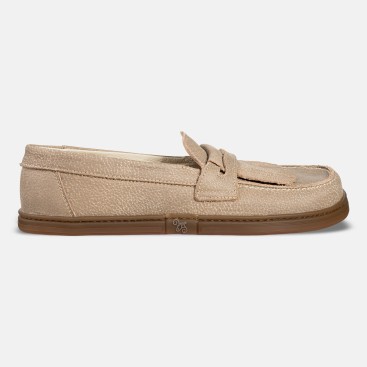
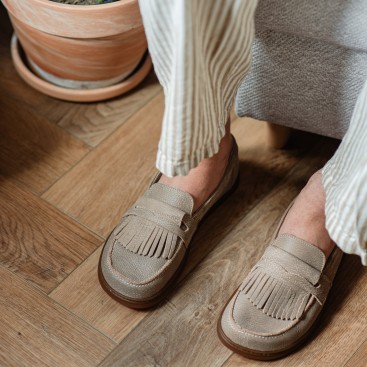
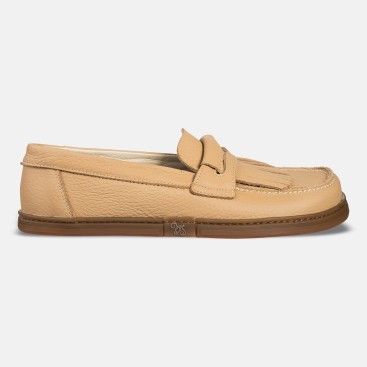
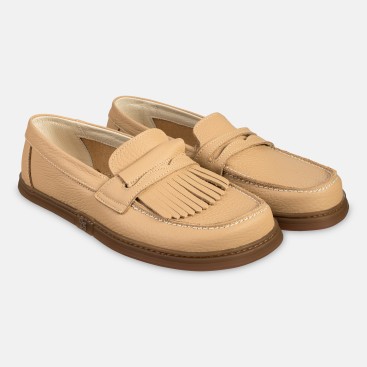

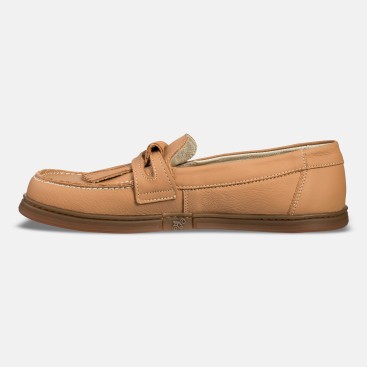


Men's Elegant Barefoot Shoes – Classic Look Without Stiffness and Pressure
Elegant shoes don't have to mean heavy construction, hard soles, and tired feet after a few hours. More and more men today are looking for footwear that looks good, fits an orderly wardrobe, but doesn't act like a vice on the toes. That's why the category of men's elegant barefoot shoes was created. This footwear is designed for those who want to maintain a neat, polished look, yet don't want to return to classic, narrow styles that force unnatural foot movement.
In this category, there's more to it than just appearance. Men's elegant barefoot shoes are meant to allow normal functioning throughout the day. They should work well at work, during meetings, on trips, at family celebrations, and anywhere you want to look good but don't want to pay for it with pain, pressure, and stiffness. This is what distinguishes barefoot shoes from many traditional dress or smart casual models. Here, elegance doesn't come from stiffening the shoe, but from a thoughtful design, good material, and refined proportions.
Men's elegant barefoot footwear doesn't try to mimic classic formal shoes at all costs. It's not about copying stiff dress shoes, but about creating a more modern, natural version. One that fits the contemporary lifestyle and wardrobe. The shoe should look good, but above all, it should function. It should give the foot space, not impose someone else's shape on it.
What Are Men's Elegant Barefoot Shoes and How Do They Differ from Regular Men's Footwear?
Men's elegant barefoot shoes are models with a more organized, classic, or semi-formal look that retain the features of minimalist footwear. This means, above all, a more natural shape at the front, a more flexible sole, no raised heel, and a construction that doesn't block the foot's movement. In practice, such shoes give more space to the toes, work better with movement, and don't force a stiff step.
In classic elegant men's footwear, you often find narrow toes, hard heels, thick soles, and a distinctly marked heel. Such a shoe is meant to look formal, but it often does so at the expense of comfort. After a few hours of wearing, the foot starts to tire, the toes are squeezed, and the whole gives a sense of restriction. In barefoot shoes, it works differently. Here, the form should be neat and refined, but without building elegance on discomfort.
This is an important change in thinking. Men's elegant barefoot shoes are not sporty, but they are also not a relic from the past world where it was believed that a good shoe must be hard and must be broken in with suffering. A well-designed barefoot model can look appropriate for work, business meetings, trips, or family occasions, while not making walking a daily punishment.
Elegance for Men, but in a Natural Edition
Men's elegance often relies on simplicity. Good materials, a clean line, appropriate proportions, and a design that doesn't scream from afar. That's why elegant barefoot shoes for men fit so well into everyday attire. They don't need exaggeration. They don't have to be massive, shiny, or overly stiff to look mature and stylish.
In this category, it's clear that less really means more. Suede barefoot moccasins, minimalist boots inspired by Chukka Boots, or men's boat shoes in a barefoot version can organize a styling much better than heavy, clunky models that try to compensate for lack of form with a design from a previous era. A well-designed shoe doesn't have to dominate the entire outfit. It's enough that it ties it all together.
That's why men's elegant barefoot shoes are a good choice not only for those who are already familiar with minimalist footwear. It's also a great option for men who are simply tired of classic shoes squeezing the front of the foot, tiring during driving, walking around the city, or long hours of work. Not everyone wants to look like they're going to an award ceremony. Most guys just want to dress well and get through the day normally. And that's exactly what this category was created for.
Who Are Men's Elegant Barefoot Shoes For?
For men who want to look neat but don't want to return to classic footwear that reminds them of its presence with every step after an hour. For those who work in an office, meet people, travel, drive a car, and need shoes more organized than sneakers but still comfortable. For those who appreciate a simple, timeless wardrobe and don't want to buy separate shoes for work, separate ones for the city, and separate ones for trips.
It's also a very good choice for men who have a wider foot, don't like tightness in the toes, or are already tired of classic dress shoes and moccasins that look good for the first ten minutes and then start to weigh down. Men's elegant barefoot shoes allow you to maintain a more formal or smart casual character of the outfit without falling into the pattern of stiff designs.
They also work well for those who like simple, good-quality, and long-lasting clothes. This is footwear for practical men. Those who don't need five similar pairs, just one or two really sensible ones. That's why models that can be paired with chinos, jeans, linen pants, a blazer, a shirt, or even a lighter suit in a daily edition work so well in this category.
Where Do Elegant Men's Barefoot Shoes Excel?
Best where classic elegant footwear proves too stiff in everyday life. At work, if you want to look professional but know you'll spend many hours moving or at a desk. At meetings, when you care about a neat appearance but don't want to focus on the shoe starting to squeeze. During travel, when you need a model that looks good but can comfortably walk half the city, drive a car, and function normally.
Men's elegant barefoot shoes also fit well during family celebrations, dinners, restaurant outings, dates, or weekend trips. This is not footwear exclusively for one occasion. Its versatility makes the biggest difference. A well-chosen model doesn't end its life in the closet after two outings. On the contrary, it often becomes one of the most frequently worn pairs.
In practice, many men today are looking for exactly such models. Shoes for work, but not corporately stiff. Shoes for meetings, but not disguised as classic dress shoes. Elegant shoes, but ones that can be worn normally. And here barefoot shoes come into play without pretension and without artificially inflating the topic.
Why Do Classic Elegant Men's Shoes So Often Tire the Feet?
Because they are very often designed for appearance, not for the real work of the foot. A narrowed front squeezes the toes and deprives them of the space needed for natural movement. A stiff sole limits the work of the entire foot and dampens the feel of the ground. A raised heel changes the body's alignment and affects not only the feet but also the knees, hips, and back. Add to this hard materials and a design that needs to be "broken in," and you get a shoe that's supposedly elegant but not very friendly in everyday life.
For years, many men have accepted this as the norm. An elegant shoe was supposed to be hard. It needed time. It was supposed to look "proper," even if it cost comfort. The problem is that the foot doesn't stop being a foot just because you've put on a shirt or blazer. It still needs space, flexibility, and the ability to work. If it doesn't get it, sooner or later it lets you know.
Barefoot shoes reverse this logic. They don't try to forcibly improve nature. They don't squeeze the foot into a narrow template just so the shoe looks more official. Instead, they allow for a more natural gait and greater comfort while fitting into the aesthetics of more elegant attire. It's not a revolution for the sake of the idea. It's simply a more sensible approach.
What Makes Men's Barefoot Shoes a Healthier Choice?
Primarily the construction. In men's elegant barefoot shoes, the foot isn't squeezed from the front, doesn't stand on a raised heel, and isn't enclosed in a hard shell. This allows the toes to have space, the body's weight to be distributed more naturally, and the foot muscles to work instead of being constantly replaced by a stiff shoe.
This design approach has real significance in everyday use. If you wear shoes for many hours that don't deform the foot's alignment, it's easier to maintain comfort, stability, and a natural way of moving. This doesn't mean that the shoe itself will solve all the world's problems. Let's not kid ourselves, a pair of moccasins won't fix your whole life. But well-designed footwear can at least not add its own problems.
That's why elegant men's barefoot shoes are such a sensible alternative to classic formal footwear. They not only look good but also don't force the foot to work in unfavorable conditions. And that's really a lot.
Natural Foot Movement and a Neat Look Can Go Together
Until recently, many people associated barefoot only with sports, outdoor, or very casual footwear. Meanwhile, the market has clearly shown that men also need more elegant models. Ones that will fit work, travel, meetings, and everyday attire at a level higher than a T-shirt and training shoes.
That's why elegant barefoot shoes for men are developing today in several directions. On one hand, there are boots inspired by classics, which look good in autumn, winter, and transitional seasons. On the other hand, there are barefoot loafers and moccasins, which work great in warmer months. Between them, there are smart casual models that easily connect with everyday wardrobe and do the job for most of the year.
This is very important from the user's perspective. It's not just about the idea of minimalism. It's about having shoes that realistically fit life. You can put them on in the morning, go to work, pop out for a meeting, then walk around the city, and in the evening still not dream of taking them off at the first opportunity.
Our Approach to Designing Elegant Barefoot Shoes for Men
When creating men's elegant barefoot shoes, we don't start with the question of how to make a shoe most similar to classic formal footwear. We ask a different question: how to create a model that will look mature, neat, and timeless, but still remain a true barefoot shoe. That's a big difference because it means we don't build elegance through stiffening, but through design, materials, and proportions.
For us, it's important that such a shoe isn't a seasonal idea that only looks good in a photo. It has to work in practice. It has to fit well on the foot, be comfortable for long hours of wear, match the usual men's wardrobe, and age with dignity, not with the feeling that it looks foreign next year. That's why natural materials, handmade production, and refined details are so important.
We're not interested in designing shoes that look "formal" from a distance but turn out to be tiring, tight, and impractical in use. Men's elegant barefoot footwear should be for wearing, not for admiring on a shelf. It sounds simple, but the market for classic shoes has been able to forget this with impressive consistency over the years.
How to Choose Men's Elegant Barefoot Shoes?
First, it's worth considering what the shoe will be used for most often. You need a different model if you're looking for shoes for the office and everyday work, and another if you care about a more vacation smart casual or semi-formal footwear for warmer days. In this category, it matters whether you wear fabric pants and blazers more often, or rather jeans, chinos, and simpler sets.
The design is also important. Men's barefoot moccasins will look different than barefoot boots in the Chukka style or boat shoes in a minimalist version. Each of these directions has its application and a slightly different character. Moccasins are lighter, more summery, and work well in work, travel, or meetings. Boots offer more versatility in cooler months. Boat shoes in a barefoot version work great where you want to look neat but maintain a more relaxed style.
The most important thing, however, remains the fit. An elegant design shouldn't mean tightness. Well-chosen men's elegant barefoot shoes should give space to the toes, fit well in the midfoot, and not cause a feeling of instability. Just because a shoe is more elegant doesn't mean it should act as a disciplinary tool for the foot.
When Are Elegant Men's Barefoot Shoes Not the Best Choice?
Not always and not everywhere. If you're looking for typical winter footwear for snow, mud, and very harsh conditions, models specifically designed for such tasks will work better. If you need strictly trekking, outdoor, or highly technical shoes, the category of elegant barefoot shoes won't be a suitable choice. This is footwear for everyday elegance, work, city, travel, and lighter occasions, not for everything at once.
It also won't be the best option for those who expect a classic, very stiff form and a distinctly raised heel from an elegant shoe. Barefoot shoes are built differently. Their goal is not to recreate the constraints of traditional footwear just in a prettier package. If someone insists on having the feeling of a hard, closed shoe, they simply won't find it here.
It's also worth remembering that different models will work differently with different foot types. In slip-on loafers and moccasins, the instep and stability in the midfoot are particularly important. In boots, the overall foot positioning and ankle support may be more important. Therefore, the choice of design should result from real use, not just what looks nice in a photo.
Leather Men's Barefoot Shoes – Why Do Natural Materials Matter?
In elegant footwear, the material really makes a difference. This applies not only to appearance but also to comfort of use. Natural leather and suede work well with the foot, age better, and over time gain character instead of just looking worn out. That's why models made of natural materials work so well in men's elegant barefoot shoes.
Leather lining and insole are especially important when you wear shoes for many hours or put them on without socks. A well-made interior improves comfort, supports breathability, and makes the shoe work with you, not against you. These are not secondary details. In everyday use, they often determine whether a pair actually becomes a favorite.
That's why men's leather elegant barefoot shoes are a very sensible choice for those who want to combine good looks with practicality. It's not about the material label itself. It's about how the shoe behaves after months of wear, how it fits on the foot, and whether you still want to reach for it.
How to Care for Men's Elegant Barefoot Shoes?
Good footwear likes sensible care. You don't have to make it a temple-worthy ritual, but it's worth keeping the basics. Men's elegant barefoot shoes are best cleaned regularly before dirt can penetrate deeper into the material. Smooth leather should be wiped with a soft cloth and appropriate care products that don't dry out the surface should be used. Suede, on the other hand, requires gentler treatment and responds best to brushing and products specifically designed for this type of finish.
It's also worth protecting shoes from excessive soaking and drying them away from direct heat sources. This is especially important with natural materials that work well but don't like rough treatment. Regular impregnation can significantly extend the life of the footwear, especially if you wear it often in the city and in changing conditions.
Well-cared-for men's barefoot moccasins, barefoot boots, or minimalist loafers can serve for a really long time. And that's what it's all about. It's better to have one sensible pair that ages well than three random ones that look like a sad compromise after a season.
Elegant Barefoot Shoes vs. Classic Elegant Men's Shoes
At first glance, both types of footwear can serve a similar function. They are meant to look more formal than a sports or typically everyday model. The difference lies in how they are built and how they behave on the foot. Classic elegant men's shoes often base their aesthetics on hardness, a narrow front, and a clear separation from the natural movement of the foot. Barefoot shoes go in the opposite direction.
In elegant barefoot shoes, formality is not built through stiffening. Instead, the purity of form, quality of material, good proportions, and refined detail matter. Thanks to this, the shoe still looks appropriate for a more organized outfit but doesn't force the wearer to endure the typical drawbacks of classic footwear.
This is very important for the modern user. Most men today don't need shoes to stand still and look official. They need footwear for life. For moving, working, meetings, driving, city, and everyday functioning. If an elegant shoe can't participate in this, it starts to lose not only to comfort but also to reason.
Frequently Asked Questions – Men's Elegant Barefoot Shoes
What are men's elegant barefoot shoes?
These are shoes with a more elegant or smart casual look that retain barefoot features: a wide front, thin and flexible sole, and no raised heel. They look neat but don't restrict the foot.
How do they differ from classic elegant men's shoes?
Classic shoes are usually narrow, stiff, and have a raised heel. Barefoot shoes are more flexible, give more space to the toes, and don't change the natural alignment of the foot. The difference is especially noticeable with longer wear.
Are elegant barefoot shoes suitable for work?
Yes. This is one of the main reasons this category was created. They work well in the office, at meetings, and in everyday dress code, as long as it's not very formal.
Can they be worn with a suit?
Not with a very formal suit. With less official sets, e.g., with a light suit, chinos, or a blazer, definitely yes.
What models of elegant barefoot shoes are most often chosen?
Most often, these are barefoot moccasins and loafers, boat shoes, and boots in the Chukka style. Each of these designs fits a different style, but all fit into everyday elegance.
Are men's elegant barefoot shoes suitable for everyday wear?
Yes. They can be worn regularly to work, meetings, or in the city. This is not footwear only for special occasions.
Are they comfortable right after putting them on?
Yes. Well-chosen barefoot shoes shouldn't squeeze or require "breaking in." Comfort should be from the first wear.
How to choose the size of elegant barefoot shoes?
It's best to rely on foot length and the size chart of the specific model. It's not worth relying on the size of classic shoes, as they are often worn too tight.
How much space should men's barefoot shoes have?
They should give the toes freedom but shouldn't be too loose. Too much space worsens stability, too little restricts movement.
Should elegant barefoot shoes be tight at first?
No. If the shoe squeezes or rubs, it's a sign that it's poorly chosen. Barefoot shoes should be comfortable from the start, not after time.
Are they good for wide feet?
Yes. Most models give more space in the toes than classic elegant shoes, which is why they are often chosen by people with wider feet.
Are they suitable for narrow feet?
It depends on the model. For narrow feet, it's important that the shoe fits well in the midfoot and heel. It's worth paying attention to the design and fit.
Are leather elegant barefoot shoes a good choice?
Yes. Leather fits well with a more elegant character and is durable and comfortable for everyday use.
Do they match jeans and chinos?
Yes. It's one of the most natural combinations. Elegant barefoot shoes complement everyday styles well and organize their appearance.
Are they suitable for summer?
Yes, especially models like moccasins or boat shoes. They are light, breathable, and work well in warmer months.
Can they be worn without socks?
Yes, especially models with leather lining. However, it's worth taking care of hygiene and regularly cleaning the inside of the shoe.
Are elegant barefoot shoes durable?
Yes, if made from good materials and properly cared for. Natural leather and suede adapt to the foot over time and can last a long time.
Are they suitable for long walking?
Yes. Thanks to the flexible sole and natural fit, the foot tires less than in classic, stiff shoes.
Are they a good choice as first barefoot shoes?
Yes, provided you choose a model that you'll wear often. It's best to start with shoes for work or everyday use to really feel the difference.