 PL
PL
 EN
EN
 DE
DE
 CS
CS
 ES
ES


Children’s barefoot shoes for kindergarten and everyday wear (23–29)


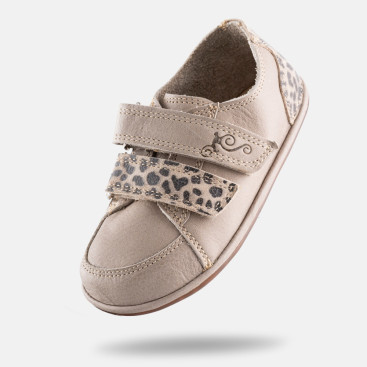
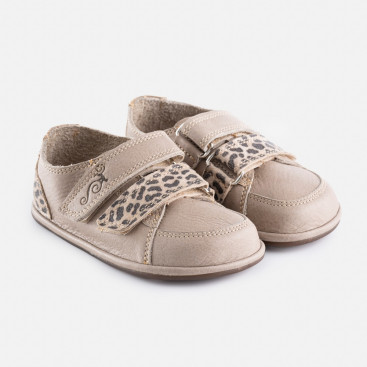
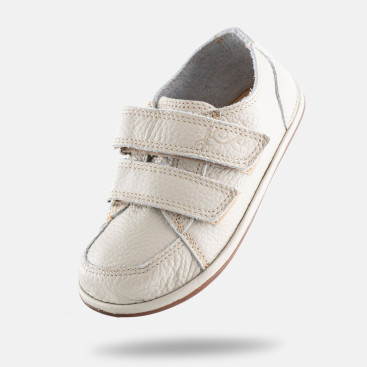
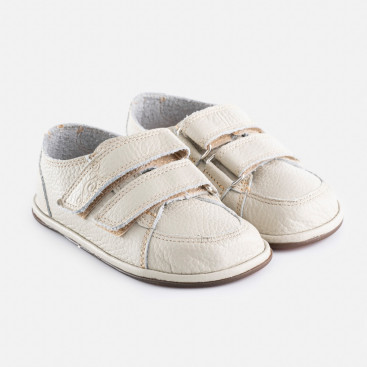
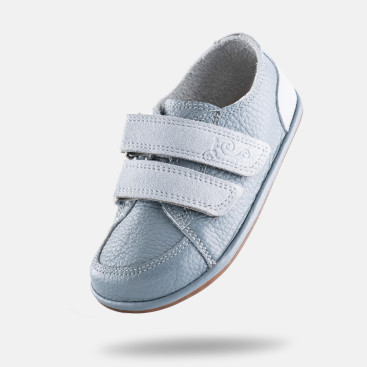
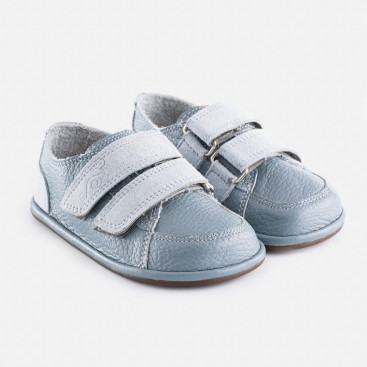
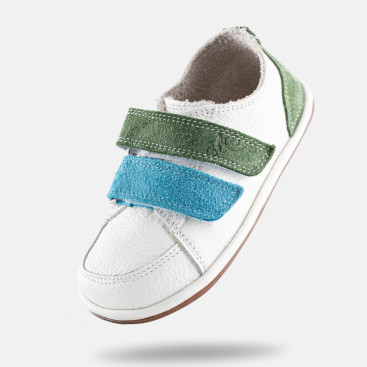
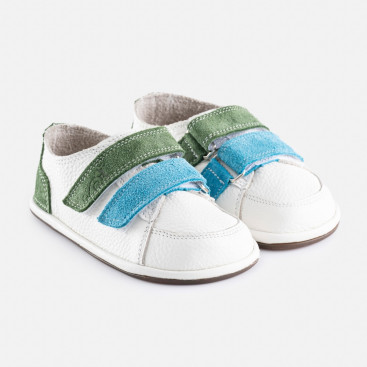
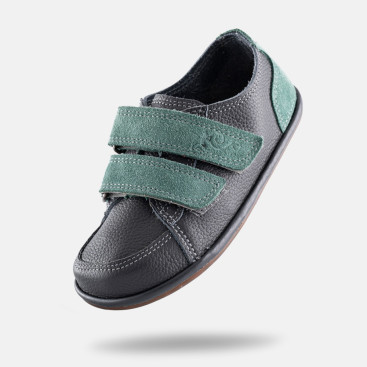
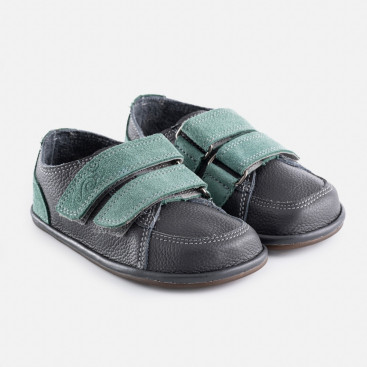
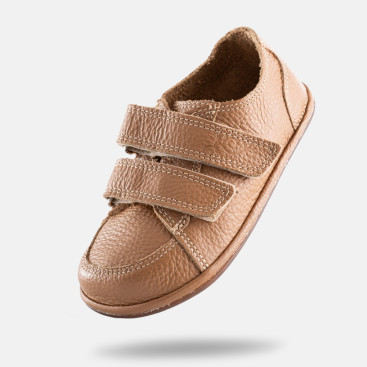
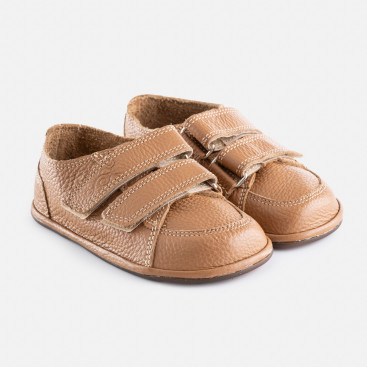
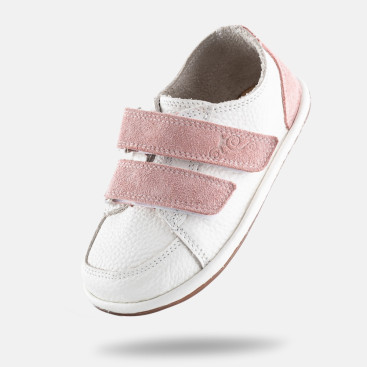
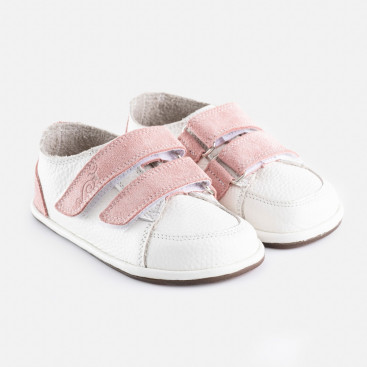


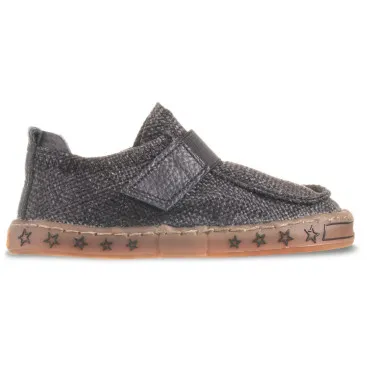
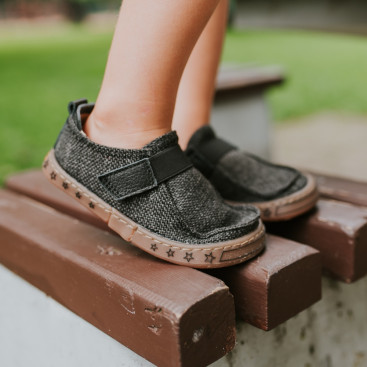
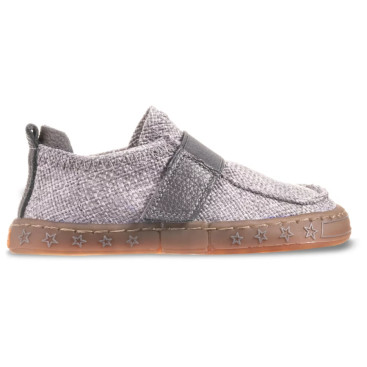

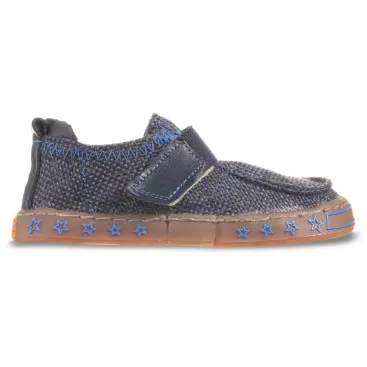

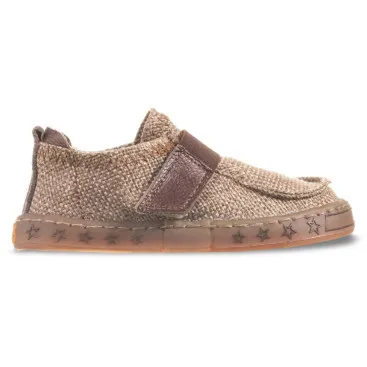

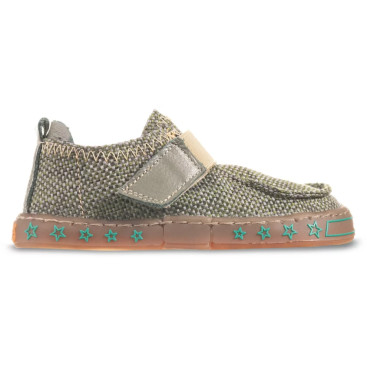


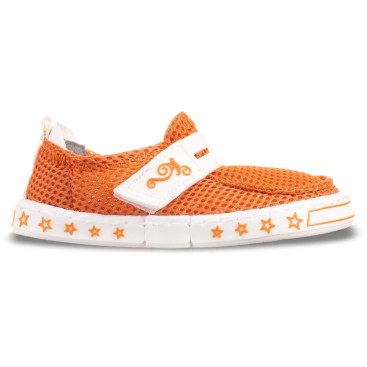

Children's shoes for kindergarten and everyday use (sizes 24–29) – freedom of movement, healthy development, and daily comfort
When your child takes their first confident steps, discovering the world becomes a natural stage – first at home, then in kindergarten, and finally during daily walks and outdoor play. At this time, choosing the right footwear becomes particularly important, not only to ensure comfort but also to not restrict the natural movement abilities of young feet. Our children's shoes in sizes 24–29 are designed with these young explorers in mind, who need maximum freedom, stability, and protection every day.
Freedom and functionality in everyday use
Children's shoes cannot be just a "miniature" version of adult footwear. What works well for a mature foot may hinder the development of a child's foot. Therefore, when designing our children's footwear, we focus primarily on functionality, flexibility, and lightness. Each model in sizes 24–29 is created with children in mind who are already fully mobile – they can run, jump, climb, and sit cross-legged – all without any restrictions. Our minimalist children's shoes do not restrict the feet, do not force an artificial positioning of the toes, and do not burden the spine. This is footwear designed in the rhythm of a child's body – with a focus on the need for movement, independence, and... comfort throughout the day.
Why does barefoot footwear support healthy foot development?
Children's footwear should support natural development, not correct it. That's why from the beginning of our activity, we have been creating barefoot shoes – lightweight, flexible, with a thin sole that allows the foot to work as close as possible to walking barefoot. A child's foot is soft, pliable, and extremely receptive to environmental stimuli. The less we restrict it, the better it develops – both in terms of muscles and neurology.
Our barefoot shoes fit a child's foot like a second skin. They allow the child to better feel the ground, improve motor coordination, and strengthen the muscles responsible for balance and posture. From a biomechanical point of view, they are one of the healthiest options available on the market. Therefore, whether your child is going to kindergarten or spending the day at home or in the garden, our shoes will provide everything they need: protection, comfort, and freedom.
Perfect slippers for kindergarten – lightness and ease of putting on
In a kindergarten environment, footwear must meet specific requirements. A child should be able to put on shoes independently – without struggling with laces or hard fastenings. Our kindergarten slippers are not only lightweight and flexible but also equipped with solutions that support independence: soft uppers, easy-to-use Velcro or slip-on form, and no unnecessary stiffening.
The interior of the shoes ensures proper air circulation, which is crucial for long hours of use in enclosed spaces. The natural materials we use to create children's slippers are gentle on the skin yet resistant to intensive use. This allows the child to run, dance, kneel, and sit on the floor without worrying about abrasions or overheating of the feet.
Choosing the size – how to select shoes for children in the range of 24–29?
In preschool age, feet grow dynamically. Even a 2–3 mm difference can determine whether the child will be comfortable. That's why our offer includes footwear in a precise size range from 24 to 29, with detailed instructions on how to correctly measure foot length. Each model has a dedicated table, and our design assumes the right allowance for free toe movement.
Thanks to flexible materials, our shoes "work" with the child – they do not fit tightly, do not fall off, and do not shift. Well-chosen children's footwear gives the child a sense of stability but without artificial "stiffening." It's a balance between support and freedom, which children need most.
Children's footwear for everyday use – comfort that accompanies every day
Our children's shoes in sizes 24–29 are not only the perfect choice for kindergarten but also an indispensable companion for daily adventures. Thanks to their minimalist design, they are suitable for both home play and walks in the forest, playground, or city trips. It doesn't matter whether the child is sitting in a stroller, walking, or climbing ladders – our children's footwear follows their every move, ensuring safety and comfort.
We use solutions that support independence and sensory development – thin yet durable soles, wide toes that provide space for the toes, and no unnecessary reinforcements that can disrupt natural movement patterns.
Natural materials and responsible production
From the very beginning, we know that good footwear starts with good materials. That's why we use natural resources – soft leathers, breathable fabrics, and soles free from harmful substances. This way, you can be sure that your child's foot is in contact only with what is healthy and safe. Our shoes are produced locally – with attention to detail, the environment, and the highest quality standards.
The shoes we create are not just an aesthetic addition to a child's outfit. They are a tool supporting development, building independence, and providing true comfort every day.
How to choose children's shoes for kindergarten and everyday use?
Choosing children's shoes in sizes 24–29 is best started by considering what a typical day for the child looks like. If the shoes are to be used for kindergarten, walks, playgrounds, and daily outings, the most important factors will be lightness, comfort, and ease of putting on. In this category, the shoe should simply keep up with the child, not hinder their movement.
The design is of great importance. Good shoes for kindergarten and everyday use should give the child freedom in the toes, fit well on the foot, and not be too stiff. If the model is to be used for many hours a day, it also matters whether it doesn't tire the foot and whether the child can normally run, sit, squat, and play without constantly adjusting the shoe.
In practice, the best models are those that are simple, lightweight, and well-fitted. If the child doesn't pay attention to the shoes, doesn't want to take them off immediately, and moves naturally in them, it usually means the choice was made well.
Who are children's shoes for kindergarten and everyday use for?
Children's shoes in sizes 24–29 are for children who already walk confidently and need comfortable footwear for daily functioning. This is a very good category for preschoolers and younger children who move a lot, change activities throughout the day, and need shoes for ordinary children's daily life.
This is the right choice for children who spend a lot of time in kindergarten, go for walks, play on the playground, and need one sensible model for most of the day. In this category, it's important that the shoe works in motion but is also comfortable when the child is sitting, drawing, building with blocks, or running for another dose of chaos.
It's also a good option for parents looking for everyday footwear, not something "for a moment." Well-chosen children's shoes for kindergarten and everyday use should work for many hours without fuss, without pressure, and without turning every shoe change into a small family operation.
When might children's shoes for kindergarten and everyday use not be the best choice?
This category won't always be the best for very hot days when lightweight children's sandals are more suitable. It also won't be ideal for typical winter conditions when warmer, more enclosed models are needed, better prepared for snow, slush, and long exposure to cold.
They also won't be the best shoes when the child needs a strictly outdoor model or one more resistant to exceptionally tough conditions. Shoes for kindergarten and everyday use are meant to be universal, but they don't have to be made for everything. This usually ends up being mediocre for everyone.
It's also worth being cautious of models that look good only in photos but turn out to be heavy, narrow, or too stiff in practice. A child usually quickly shows that something doesn't suit them. And they do it without beating around the bush, which can be quite helpful.
Comparison: barefoot shoes for kindergarten and everyday use vs. classic children's shoes
Classic children's shoes for kindergarten and everyday wear are often more enclosed, stiffer, and more "structured" in design. For some parents, this may seem like a more stable solution, but in practice, it doesn't always mean greater comfort. Especially when the child is constantly moving and needs a shoe that doesn't hinder them throughout the day.
Barefoot shoes for children in sizes 24–29 are usually lighter, more flexible, and offer more room in the toes. They don't try to force the foot into a position but allow it to function more naturally. For the child, this usually means easier movement, more freedom, and fewer situations where the shoe becomes a problem in itself.
It's not about making one type of shoe the hero and the other the villain. It's more about the fact that if the goal is comfortable children's shoes for kindergarten, preschool, and daily movement, the barefoot design often proves to be simply more practical.
Where to buy children's shoes for kindergarten and everyday use?
Children's shoes for kindergarten and everyday use are best bought where the manufacturer or store provides specifics. In this category, not only photos are important, but also the length of the insole, fit description, width information, and a clear indication of whether a particular model is suitable for daily use for many hours.
It's good to choose places where children's footwear in sizes 24–29 is treated as a separate, well-thought-out category. This makes it easier to assess whether a particular model will work better as kindergarten slippers, everyday shoes, lightweight children's sneakers, or more universal shoes for the whole day.
In Poland, it's becoming easier to find brands that sensibly and without random solutions develop this topic. Magical Shoes is one of them, as children's shoes for kindergarten and everyday use are part of a coherent approach to comfort, natural movement, and a simple choice for parents.
Recommendation from Magical Shoes
From our perspective, children's shoes in sizes 24–29 are one of the most important categories in a child's daily wardrobe. These models most often become the primary footwear for most of the day, so it's particularly worth focusing on lightness, comfort, and good fit here.
We usually recommend choosing shoes according to the child's usual rhythm. If the model is mainly for kindergarten, ease of putting on, comfort for many hours, and good shoe performance in motion are important. If it is also to be used in the afternoon, on walks, and at the playground, flexibility, durability, and freedom of movement become even more significant.
The best models are usually those that the child doesn't want to take off immediately after returning home. This may not be the most scientific test in the world, but surprisingly often it turns out to be very accurate.
FAQ – children's shoes for kindergarten and everyday use
What children's shoes to choose for kindergarten and everyday use?
The best models are lightweight, comfortable, and well-fitted to the child's foot. In this category, it's important that the shoe is suitable for many daily situations: for the kindergarten room, walks, playground, and regular outings. Good everyday children's shoes shouldn't tire the foot or distract the child from play and movement.
In practice, it's best to choose models that are easy to put on, fit well on the foot, and give freedom in the toes. If the child can walk, run, and squat normally without adjusting the shoe every few minutes, it's usually a sign that the model makes sense.
Are children's shoes in sizes 24–29 suitable for kindergarten?
Yes, this is one of the most important categories for preschool children. Sizes 24–29 often cover the stage where the child is fully mobile, moves a lot, and needs footwear for most of the day. Therefore, shoes in this group must work well in daily use, not just look correct.
In kindergarten, the child constantly changes activities. One moment they're sitting quietly, the next they're running, and then they're squatting during play on the carpet. Good children's shoes for kindergarten should handle this rhythm without pressure, excessive stiffness, and without hindering movement.
What children's shoes work best for everyday use?
The best ones are those that are comfortable for many hours and work in the child's usual daily life. For everyday use, it's important that the shoe is lightweight, well-fitted, doesn't press, and doesn't become cumbersome after a short time of wearing. In this category, practicality really matters.
It's good if the model is suitable for both kindergarten and walks or play in the afternoon. Everyday children's shoes should be versatile enough that the parent doesn't have to wonder every day whether it's still the right moment or if a third pair is needed.
Are barefoot shoes for children good for kindergarten?
Yes, in many cases, they work very well in this role. Barefoot shoes for children are usually lighter, more flexible, and give more freedom in the toes than classic models. This allows the child to move naturally throughout the day, and the shoe doesn't become an additional burden.
This is especially important in kindergarten, where the child walks a lot, sits on the floor, stands up, runs, and changes positions constantly. If the footwear works well with the foot, the whole day simply becomes easier.
What is the difference between barefoot shoes for children and classic children's shoes?
They usually differ in weight, flexibility, and the amount of space in the toes. Barefoot shoes for children are often less stiff and don't try to force the foot into a position. They give the child more freedom, which in daily movement often turns out to be simply more comfortable.
Classic children's shoes can be more enclosed and more rigid. For some children, this won't be a problem, but with intensive daily use, many barefoot models feel more natural and practical.
How to choose the size of children's shoes 24–29?
It's best to measure the child's foot and compare the result with the size chart of the specific model. In sizes 24–29, it's not worth guessing, as the child often wears such shoes for many hours a day. The length of the insole, width, and overall fit are really important here.
A well-chosen size should provide freedom but not be excessively loose. The shoe should work stably on the foot, not press the toes, and not shift so much that the child starts walking uncertainly in it.
How much allowance should children's shoes for kindergarten have?
They should have an allowance that gives the child freedom of movement but doesn't worsen comfort and stability. It's safest to follow the specific foot measurement and the manufacturer's recommendations for the model. In this category, too much allowance usually doesn't help, it just makes daily use more difficult.
A child in kindergarten moves a lot, so the shoe must be not only "theoretically good" but actually work on the foot throughout the day. Therefore, a well-chosen allowance is more important than buying a shoe with the thought that it might "somehow last longer."
Is it worth buying children's shoes larger as a reserve?
It's generally not worth overdoing it. Shoes that are too large can worsen comfort, make the foot work less confidently, and simply make it difficult for the child to move. In theory, it sounds economical, but in practice, it often ends up with the shoe being simply too big and uncomfortable.
It's better to buy a model suited to the current stage than to try to extend its use at all costs. Especially when we're talking about shoes for kindergarten and everyday walking, where comfort really comes to light very quickly.
Should children's shoes for kindergarten be lightweight?
Yes, definitely. A child quickly feels the weight of footwear, and in daily movement, lightness is of great importance. Lightweight children's shoes usually tire less, work better with the foot, and make the child move more naturally.
This is especially important when the shoes are worn for many hours. If the model is heavy already in hand, it's rather hard to expect the child to be thrilled after a whole day in kindergarten.
Do everyday children's shoes need to be flexible?
It's good if they are flexible and don't restrict movement more than necessary. In daily use, the child constantly changes position, runs, sits, stands, and turns. A stiff shoe rarely works well in such a daily routine.
Flexibility doesn't mean a lack of function. It rather means that the shoe works with the child's movement instead of resisting it. In practice, it's one of those features that you really feel, even if it can't be nicely described with a marketing sentence.
Are children's shoes for kindergarten suitable for the playground?
Yes, if they are well-chosen and have a sensible design. Many everyday models perform very well also on the playground, walks, and regular activities after kindergarten. That's why this category is so important. It has to work from morning to evening, not just in one situation.
A child doesn't divide the day as precisely as adults do. For them, the shoe has to simply work when they're running, climbing, braking, changing direction, and sitting for a moment just to run somewhere again.
Are everyday children's shoes suitable for long walks?
Yes, provided they are comfortable, lightweight, and well-fitted. Good everyday children's shoes very often also work well during longer walks, family outings, and regular walking around the city or park. In this category, daily practicality really matters.
If the model is comfortable after many hours, doesn't press, and doesn't cause the child to start complaining after a short time, it usually means it's also suitable for longer use.
Are Velcro or slip-on shoes better for kindergarten?
It depends on the child and the model. In many cases, Velcro works very well because it allows for quick shoeing and easy adjustment to the foot. For a preschooler, this is also an important element of independence. The child can handle the shoes faster without constant adult help.
Slip-on models can also be comfortable if they fit well on the foot and don't fall off during movement. The most important thing is that the solution is practical and doesn't turn daily shoeing into a separate Olympic competition.
Are barefoot children's shoes good for wide feet?
In many cases, yes, because such models often provide more space in the toes than classic children's shoes. Children with wider feet or needing more freedom at the front of the shoe often feel better in barefoot constructions. Of course, it's always worth checking the description of a specific model and the size chart.
Not every style will be identical, but generally, this category usually offers a better chance for a good fit than heavily narrowed, classic everyday models.
Can children's shoes be worn all day?
Yes, if they are well-chosen. This is one of the fundamental features that parents look for in this category. Shoes for kindergarten and everyday use should be suitable for long hours of use without discomfort, pressure, or the need to immediately take them off after returning home.
If the child functions normally in them throughout the day and doesn't signal that something is bothering them, that's a very good sign. This category exists precisely to be useful in ordinary daily life, not just for half an hour.
How to care for children's shoes for kindergarten and everyday use?
Most often, regular wiping and gentle hand cleaning are sufficient. The method of care depends on the material, but in this category, it's good if the shoes are practical also on this side. Parents usually have enough tasks, so the shoe shouldn't require a special care ceremony.
It's also worth regularly checking the condition of the sole, fastenings, and interior of the shoe. If the model is used intensively, a quick reaction to dirt and daily wear simply helps keep it in good condition longer.
Can children's shoes be washed?
It depends on the material and recommendations for a specific model. In many cases, hand cleaning is safer because the shoe then retains its shape, properties, and fit longer. For everyday footwear, this is especially important because such a model works really intensively.
Before throwing shoes into the washing machine with the hope that "somehow it will be okay," it's better to check the manufacturer's recommendations. This usually saves later disappointments and oddly shrunken footwear experiments.
Is it worth buying children's shoes online?
Yes, but it's worth carefully checking the size chart and insole length. It's also good to pay attention to the possibility of return or exchange, as fit is crucial in this category. Online shopping makes sense when the model description is specific and allows you to assess whether the shoe is really suitable for daily use by the child.
It's best to buy where the manufacturer shows not only the appearance but also the purpose, fit method, and real information about the construction. This greatly facilitates the choice and saves later wondering why the shoe "supposedly fits," but something is still not right.