 PL
PL
 EN
EN
 DE
DE
 CS
CS
 ES
ES


Barefoot shoes for children


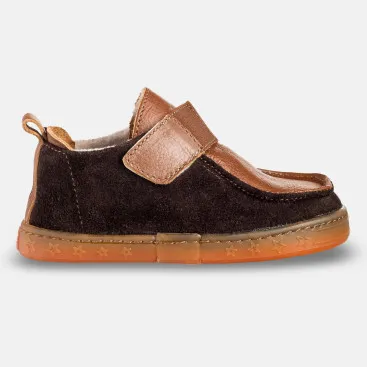
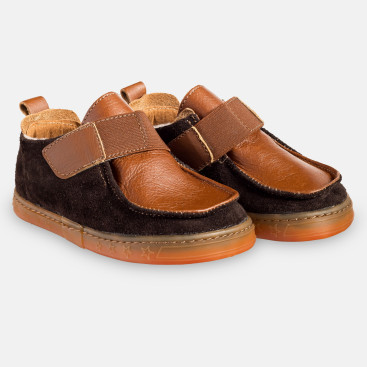
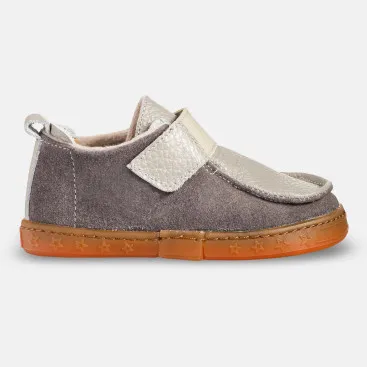
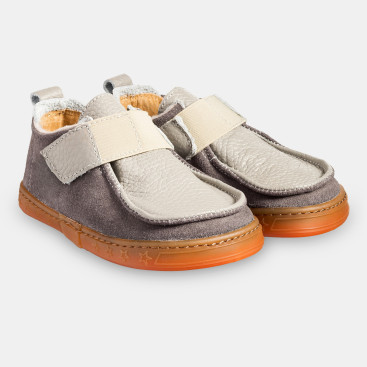
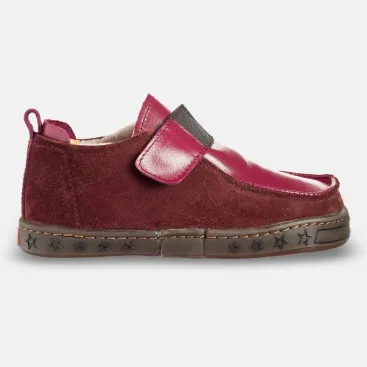
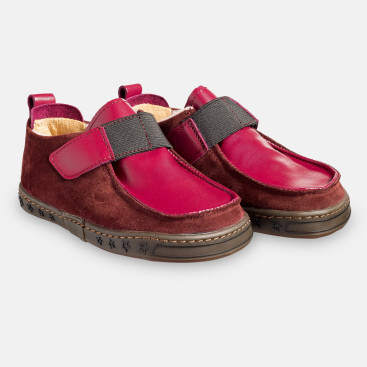
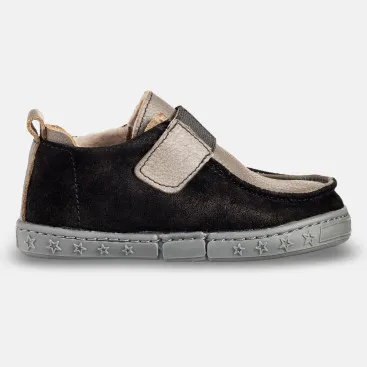
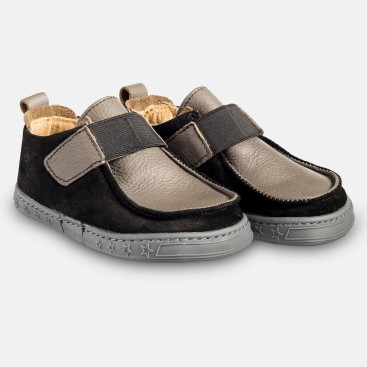
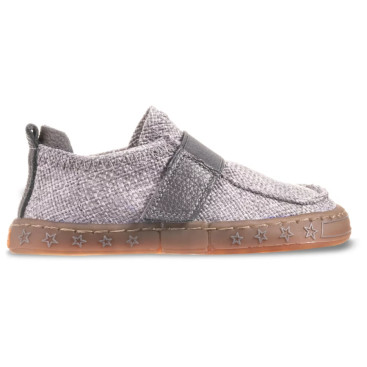

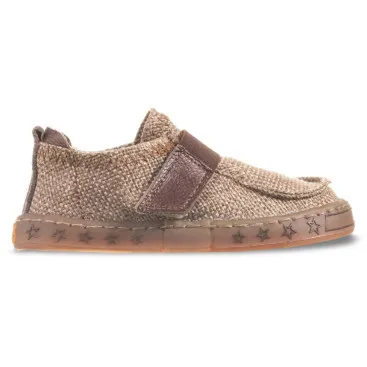

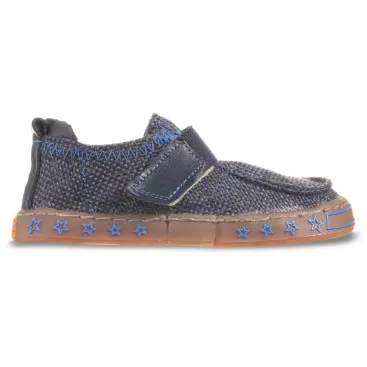

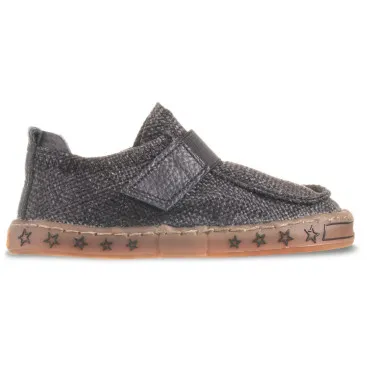
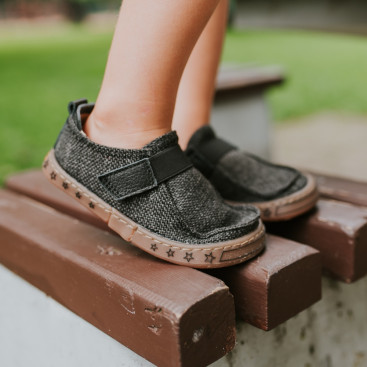


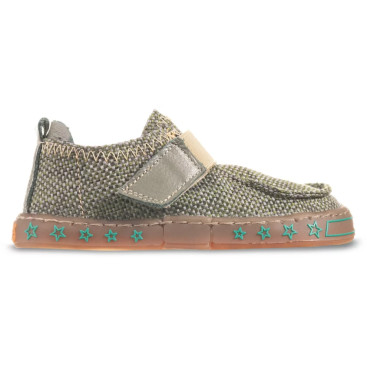

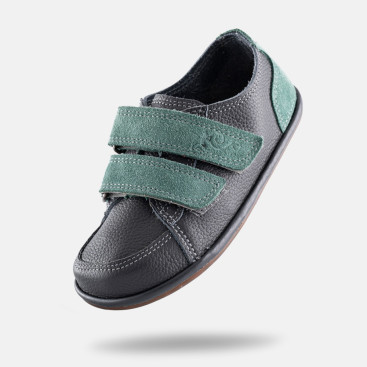
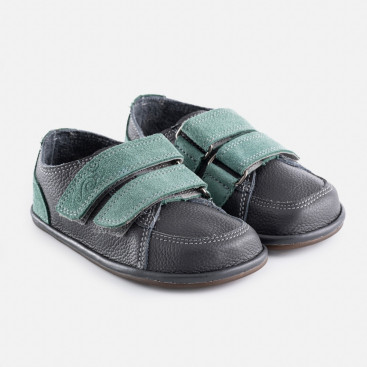
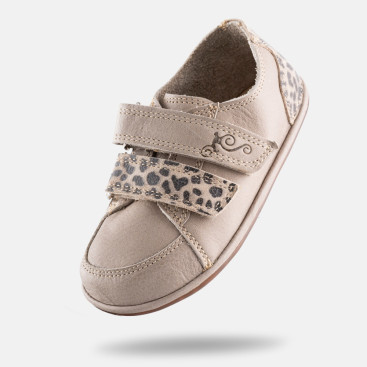
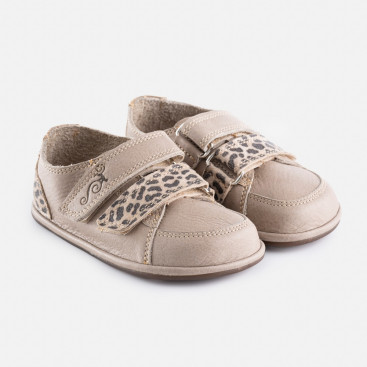
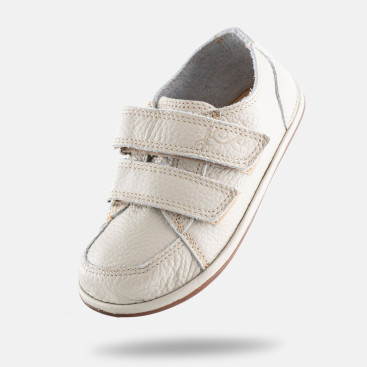
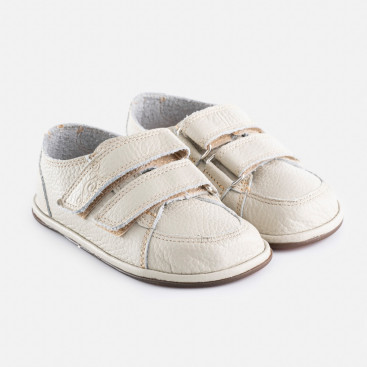
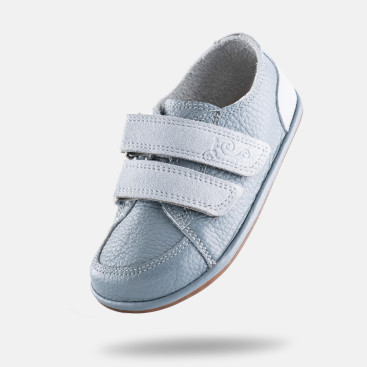
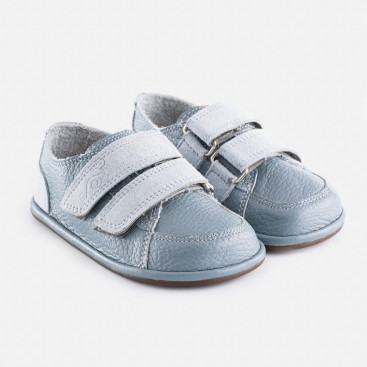
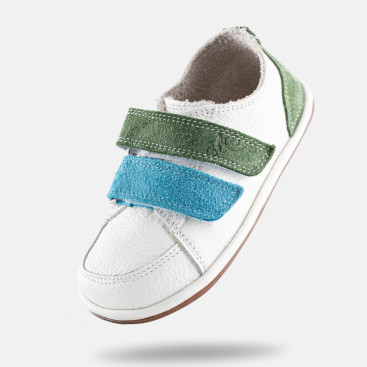
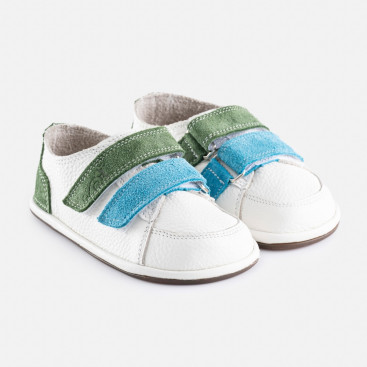
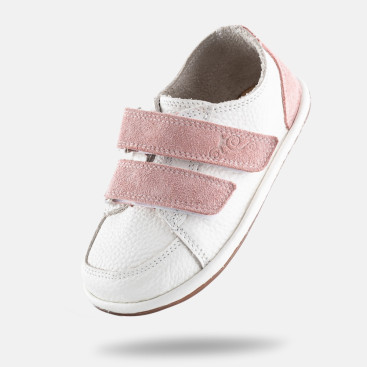
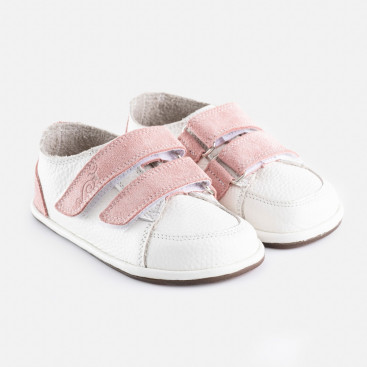
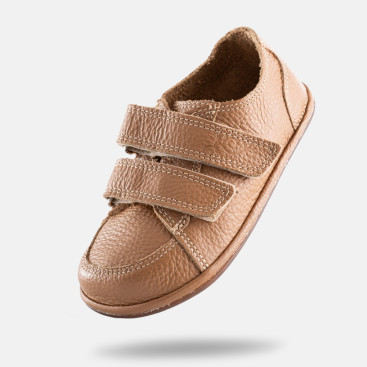
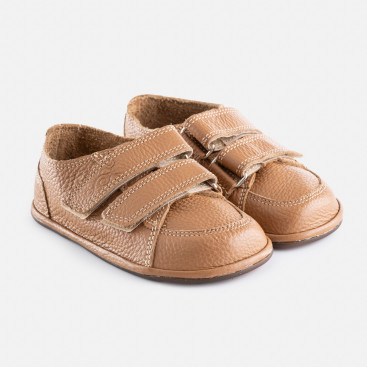


Children's Shoes – Footwear That Grows with Your Child
A child's first steps are a moment that stays in memory for a lifetime. But before that happens, you – as a parent – face an extremely important decision: which children's shoes to choose to ensure your child's healthy development, comfort, and freedom of movement? In the world of footwear for the youngest, it's not just about a nice appearance or current trends. What matters most is what is invisible at first glance – construction, material, weight, and how the footwear supports the natural development of the foot.
At Magical Shoes, we believe that children's footwear should be designed to interfere as little as possible with the mechanics of a young person's movement. That's why we create models inspired by barefoot movement – because nature knows best what children's feet need.
Why is choosing the right children's shoes crucial?
A child's foot is not a miniature adult foot. It is an extremely dynamic structure – flexible, sensitive, and still forming over the first dozen years of life. That's why it's so important that children's shoes do not restrict its movement, deform the natural arch, or force unnatural toe positioning.
Appropriate children's footwear should provide freedom, allow the foot to "work," adapt to the surface, and not disrupt the signals the body sends with each step phase. Shoes that are too stiff, heavy, or poorly fitted can contribute to posture defects, gait disorders, or chronic discomfort.
Minimalist Footwear for Children – More Than a Trend
More and more parents are looking for alternatives to classic, stiff shoes. The natural response to these needs is minimalist footwear for children, which we offer as the foundation of our philosophy. This approach involves simplifying the shoe's construction as much as possible – a thin, flexible sole, no unnecessary reinforcements and restrictions, a wide space for toes, and low weight. This allows children to move in a way most similar to walking barefoot, while maintaining protection and safety.
Minimalist shoes teach the feet active work, improve motor coordination, and strengthen muscles. It's not just a choice in line with biomechanics, but also with a child's natural instinct – the need for movement, exploration, and contact with the environment.
Barefoot Shoes for Children – Naturalness in Every Step
If you're looking for footwear that maximally supports the development of small feet, pay attention to our barefoot shoes for children. This is the closest possible compromise between barefoot movement and everyday protection. Barefoot models offer full flexibility, zero drop (meaning no height difference between the heel and toes), and maximum space for toes.
This allows the child's foot to spread freely, grip the ground, and maintain natural mobility. This is especially important in the first years of life when the development of the musculoskeletal system is intense, and every detail matters.
How to Choose Children's Shoes?
Choosing children's shoes is worth starting with the stage of development the child is at and in what situations they will most often wear the shoes. Different features are needed for shoes for a toddler taking their first steps, different for a preschooler, and yet others for a school-aged child who spends a lot of time moving but also sitting in class. Good children's shoes should not be chosen solely based on appearance, season, or parental habit. The most important thing is whether the child can move freely in them and whether the foot has conditions for natural work.
When choosing, it's worth paying attention primarily to lightness, flexibility, toe space, and overall fit to the foot. The shoe should not be heavy or stiff, as it then starts to restrict movement instead of supporting it. Equally important is whether the sole bends where the foot actually bends and whether the front of the shoe doesn't squeeze the toes. In practice, these are the things that have the greatest impact on everyday comfort and whether the child will want to wear these shoes without complaining.
The time of year and the intended use of a specific model also matter. Different children's shoes work for summer, others for winter, and yet others as slippers for preschool or school shoes. There is no one pair for everything, although many manufacturers try to suggest this. It's better to choose a model for real conditions than to hope that one shoe will handle the whole year, every weather, and every activity. This usually only works in the product description, not in real life.
If the child is just starting to walk, it's worth looking for models that interfere as little as possible with natural movement. In this case, children's barefoot shoes and minimalist footwear for children work particularly well because they don't impose an artificial setting on the foot. If the child is older, it's still worth sticking to the same principles, just adjusting the model to age, activity, and daily rhythm. Good children's shoes should help, not hinder. It seems obvious, but looking at the market, not always.
Who Are Children's Shoes For?
Children's shoes are for every child who needs foot protection outside the home, but that doesn't mean every child needs exactly the same kind of footwear. An infant who doesn't walk yet has completely different needs than a toddler learning their first steps, a preschooler running around for half the day, or an older child functioning in a school rhythm. Therefore, it's good to think about this category broadly, but not generally. Children's shoes are not one type of product, but a whole group of models tailored to age, development stage, and daily activities.
This is a good category for parents who want to buy wisely and not choose shoes "because everyone has them." It works for those looking for first shoes, walking shoes, spare footwear, models for a specific season, or simply comfortable children's shoes for everyday use. Well-chosen children's footwear is useful at every stage because foot development doesn't end after a few months. It lasts for years, and throughout this time, the child needs shoes that won't create chaos where the body is trying to build something solid.
It's also a category for parents who want to support natural movement and aren't looking for shoes that "correct" everything in advance. In practice, very often the best models are simple, flexible, and lightweight, giving the foot space to work. That's why in this group, barefoot shoes for children and minimalist footwear for children are gaining more importance. Not because they're trendy buzzwords, but because they simply meet the real needs of a child's foot.
When Are Children's Shoes Not the Best Choice?
Children's shoes are not always necessary in every situation, and more footwear doesn't always mean better. If the child is at home, on a safe and clean surface, very often the best solution is walking barefoot or in non-slip socks. This is especially true for the youngest children who are just learning balance and need as many natural stimuli from the ground as possible. Putting on shoes "just in case" doesn't give an advantage here. Sometimes it just adds an extra layer that hinders more than helps.
Not every model will be good for every occasion. Lightweight children's shoes for spring and summer won't be the best choice for snow and slush, just as thick winter models don't make sense in high temperatures and all-day indoor activity. The problem arises when a parent tries to solve everything with one pair. The child quickly verifies this, usually in their way, by complaining, taking off the shoes, or running in socks through half the corridor.
Poorly fitted children's shoes will also not be the best choice. Shoes that are too tight will press and restrict movement, while too large ones will worsen stability and may disrupt gait. This also applies to situations where shoes are bought "with a lot of room" to last longer. It sounds practical, but it usually ends with the child walking in something that doesn't work well today or tomorrow. The shoe should serve the current stage, not next year's plans.
Comparison: Barefoot Children's Shoes vs. Classic Children's Shoes
Classic children's shoes are often stiffer, heavier, and more built-up than barefoot models. For many parents, at first glance, this looks "more solid" because the shoe seems more substantial and protective. The problem is that a child's foot doesn't need such guidance for every activity. Too stiff a construction can restrict natural movement, take away the foot's ability to work, and in practice provide less comfort, even though it looks very decent on the store shelf.
Barefoot shoes for children are usually lighter, more flexible, and have more space in the front. They don't try to set the foot for the child but allow it to work more naturally. For the child, this means a simple difference: the shoe interferes less, it's easier to move in, and the movement is freer. Parents usually notice this because the child is more willing to wear such shoes and less often wants to take them off after a short time.
It's not about creating an artificial conflict between one category and another because the children's market is full of different needs and situations. But if the goal is healthy children's shoes for everyday movement, good footwear for a preschooler, comfortable school shoes, or first children's shoes supporting the natural development of the foot, the barefoot construction very often turns out to be simply more sensible. Less flashy in marketing, but more practical where daily action really matters.
Where to Buy Children's Shoes?
Children's shoes are best bought where the manufacturer or store shows specifics, not just pretty pictures and generalities about comfort. A parent should see a size chart, insole length, fit description, model purpose, and information for what age or development stage a given shoe makes sense. In this category, the label "children's" is not enough. Good shopping starts where the brand understands that a shoe for a one-year-old and a shoe for a school-aged child is not the same story.
Parents today search very specifically. They enter phrases like children's shoes, healthy children's shoes, barefoot shoes for children, first children's shoes, walking shoes, minimalist footwear for children, children's shoes for preschool, children's shoes for school, children's shoes for spring, children's shoes for winter. And rightly so, because this category requires precision. The better the offer is detailed, the less risk that a parent will buy something by accident and then wonder why the child treats the new shoes as a personal insult.
In practice, it's best to buy where there is a consistent approach behind the product, not just a wide range. Magical Shoes is such a place because children's shoes are not a random category added to the rest. It's part of a comprehensive approach to children's movement, freedom, and healthy foot development.
Recommendation from Magical Shoes
From our perspective, children's shoes are one of the most important categories in all footwear. A child grows quickly, their way of moving, activity, needs, and conditions in which they function every day change. Therefore, it's especially worth choosing models that are lightweight, comfortable, sensibly designed, and tailored to a specific development stage, not to the idea of what a "proper shoe" should look like.
We most often recommend choosing children's shoes according to the child's daily rhythm. If the shoe is for first steps, the most important thing is that it doesn't hinder and allows the foot to work. If it's for preschool or school, comfort for many hours, ease of putting on, and lightness matter. If it's for a specific season, you need to look at the conditions, not the universal promises of manufacturers. In each of these situations, the most important thing remains the same: the child should feel good in the shoes, and the foot should have conditions for natural action.
The best models are usually those that the child simply forgets about because nothing pinches, nothing bothers, and nothing needs adjusting every moment. It's a simple test but very effective. Good children's shoes don't make a big show around themselves. They just work.
Children's Barefoot Shoes – When Less Means Healthier
In a world where children's footwear often resembles miniatures of adult shoes – stiff, heavy, with thick soles – children's barefoot shoes are becoming a breath of fresh air and common sense. This approach assumes that children should move as nature programmed them: barefoot or as close to this form as possible.
The barefoot shoe is not a trend from a fashion catalog but a design philosophy that considers physiology, neurology, and biomechanics of movement. In barefoot footwear, children are not forced to adapt to the shoe – the shoe adapts to the child. This makes each step more conscious, more active, and more natural.
Barefoot Footwear for Children – Freedom of Movement from the First Steps
When a toddler takes their first steps, their foot doesn't yet have the developed structures we know from an adult body. Muscles, ligaments, arches – all of this is still developing. Classic, stiff shoes can disrupt this process, limiting the natural activity of the foot. Meanwhile, barefoot footwear for children allows it to function as nature intended – the foot bends freely, the toes can spread, and contact with the ground is uninterrupted.
Thanks to the thin, flexible sole, the child feels the ground better, and their nervous system receives more stimuli needed for the development of coordination and balance. That's why children in barefoot shoes move more confidently, naturally, and stably – from the first attempts to independent walks.
Barefoot Shoes for Children as the Foundation of Healthy Movement Habits
By choosing barefoot shoes for children, you invest not only in comfort but also in your child's future. At a young age, movement patterns are formed that stay with us for a lifetime. Children accustomed to full freedom of movement in minimalist footwear develop better body awareness, have a more stable gait, and are less prone to posture defects.
This is especially important today when children spend more and more time sitting, and natural physical activity is limited by urban living conditions. The barefoot shoe acts as an antidote – encouraging movement, strengthening the feet, and giving children what is most important to them: the freedom to explore the world.
Our Barefoot Philosophy – Naturalness Without Compromises
As a manufacturer of children's barefoot footwear, we believe that simplicity is the key to health. We don't complicate the construction – instead, we focus on material quality, precision craftsmanship, and understanding of children's anatomy. We create shoes that are as light as a feather, flexible in every direction, and tailored to the natural shape of a child's foot. This is not a compromise – it's a conscious choice for those who seek more than just "pretty shoes."
Our children's barefoot shoes combine all the best in the minimalist approach – giving children a sense of freedom, parents peace of mind about healthy development, and everyone together – joy in every step.
How to Choose the Right Size of Children's Shoes?
To choose the right size of children's shoes, measure the length of the child's foot in millimeters and add 7 to 12 mm of space. This allowance allows the foot to move naturally while walking and accounts for its rapid growth. It's best to measure in the afternoon when the foot is slightly warm and full-sized. In the case of barefoot footwear, make sure the toes have full freedom, and the shoe doesn't pinch anywhere. A size too small can cause deformities, and too large can destabilize the gait.
What Shoes Are Best for Children Learning to Walk?
The best children's shoes for toddlers taking their first steps are models that are lightweight, flexible, with a thin sole and a wide front for toes. They should mimic walking barefoot, not restrict the natural movements of the foot, and provide maximum contact with the ground. Barefoot footwear meets these conditions best, supporting the development of muscles, coordination, and balance. Avoid stiff, heavy constructions with heel elevation, which can disrupt posture.
At What Age Should a Child Start Wearing Shoes?
A child should start wearing shoes only when they begin walking independently outside the home. At home, on a safe and clean surface, it's best to let them walk barefoot or in soft non-slip socks. Wearing shoes before starting to walk can restrict foot development and is not recommended. The key is for the first children's shoes to be as natural as possible and support the biomechanics of walking.
How Do Prophylactic Shoes Differ from Barefoot Shoes for Children?
Prophylactic shoes are designed to support the development of a child's foot and prevent posture defects, often through the use of a stiffened heel, higher uppers, and orthopedic insoles. In contrast, barefoot shoes for children focus on maximum naturalness – they are lightweight, completely flexible, and have no elements interfering with foot function. Barefoot supports active muscle work and coordination development, while prophylactic shoes may passively stabilize the foot. For healthy children, barefoot is considered more natural and supportive of development.
How Often Should Children's Shoes Be Replaced?
Children's shoes should be replaced every 4–6 months on average, or when the foot length exceeds the current shoe size by more than 5 mm. Signs for replacement can also be worn soles, deformations, signs of abrasions, or the child complaining of discomfort. Regular foot length checks (every 1–2 months) help avoid situations where the child wears too small footwear, which can lead to posture defects and toe deformities.
Should a Child Walk Barefoot at Home Instead of Wearing Shoes?
Yes, walking barefoot at home is natural and recommended, especially in the first years of a child's life. It helps strengthen foot muscles, supports arch development, and improves ground sensation. In home conditions, it's best for the child to move without footwear or in soft non-slip socks. If for some reason footwear is necessary at home, the best choice would be lightweight children's barefoot shoes.
Are Barefoot Shoes for Children Also Good for Winter?
Yes, there are models of barefoot shoes for children designed for the winter season. They retain all barefoot features – flexibility, no heel elevation, wide front – but also offer thermal insulation and moisture protection. Winter barefoot shoes are made from waterproof materials and often have an insulating layer, making them an ideal solution for children who need freedom and healthy foot development even in winter.
Why Should Children Have Separate Shoes for Preschool and Outdoors?
Separate shoes for preschool and outdoors are needed for hygienic and practical reasons. Footwear worn outside is exposed to moisture, dirt, and mechanical damage, making it unsuitable for indoor use. Additionally, preschool shoes should be lightweight, easy to put on independently, and breathable. Barefoot models for children are ideal for this role, providing comfort and freedom throughout the day.
What Features Should Good Children's Footwear Have?
Good children's footwear should be lightweight, flexible in every plane, fit the anatomical shape of the foot, and be made from breathable materials. It should allow for a full range of motion, not squeeze the toes, and not force an unnatural posture. Barefoot models meet these requirements and are particularly recommended for healthy, active, dynamically developing children. It's also worth ensuring that the shoes are easy to put on – e.g., with Velcro or elastic bands – and have a thin sole allowing ground sensation.
Is Minimalist Footwear for Children Suitable for School or Everyday Use?
Yes, minimalist footwear for children is perfect as everyday shoes for school, walks, playgrounds, or extracurricular activities. Their lightweight construction and flexible sole provide comfort even with prolonged wear. Additionally, they support physical activity and natural foot development, which is especially important during periods of intense growth. With proper size fit and usage conditions, minimalist children's shoes are a versatile choice for any occasion.