 PL
PL
 EN
EN
 DE
DE
 CS
CS
 ES
ES


Barefoot shoes for children for all seasons


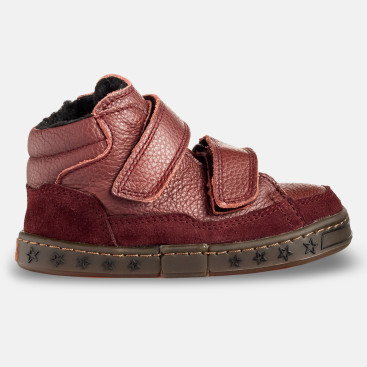
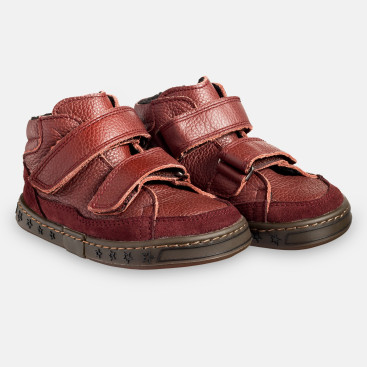
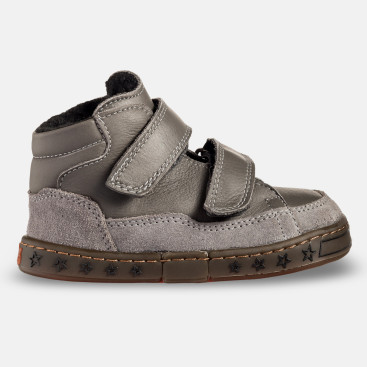
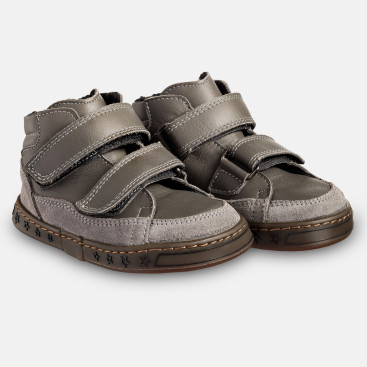
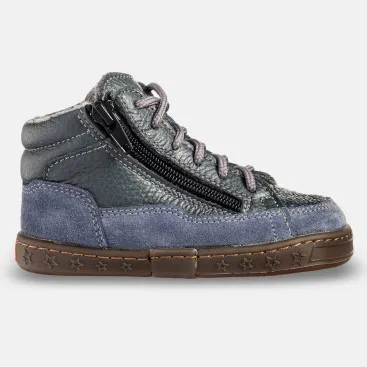
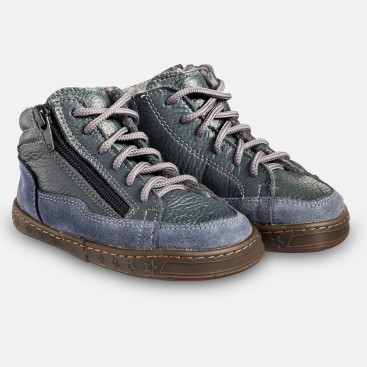
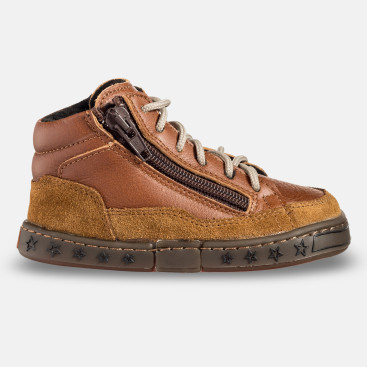
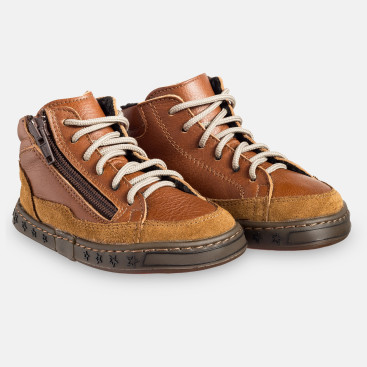
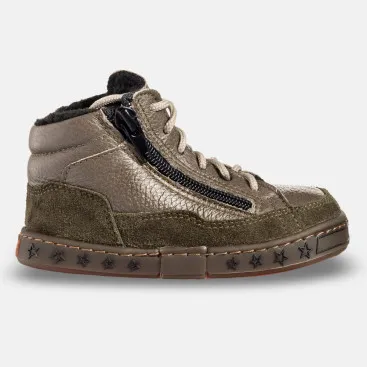
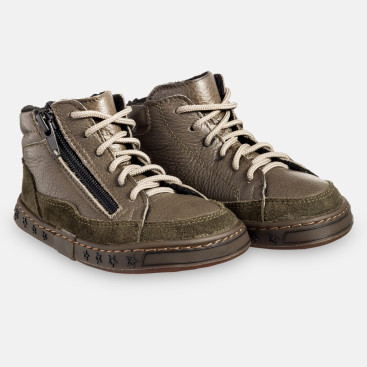


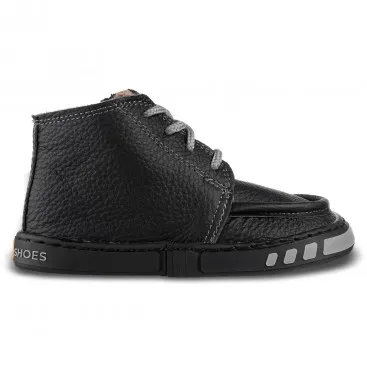

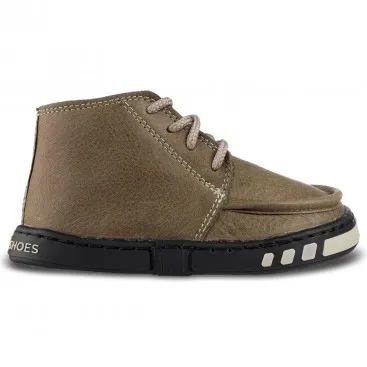

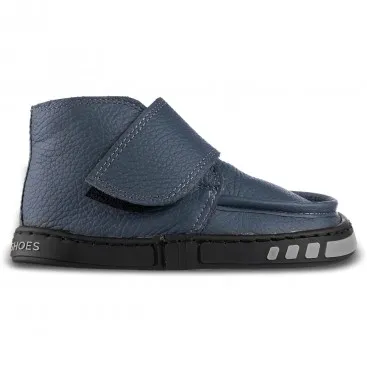


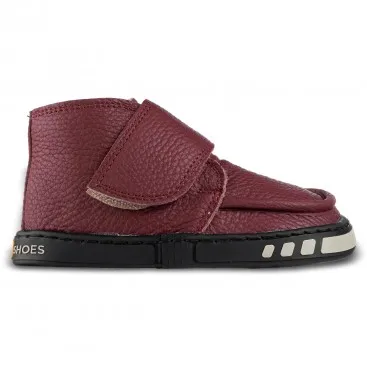


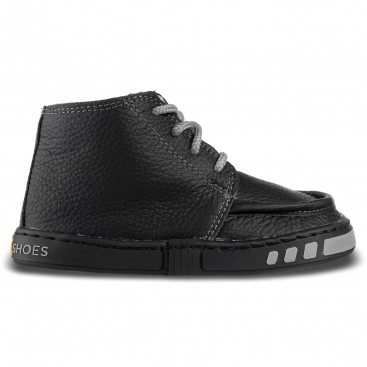

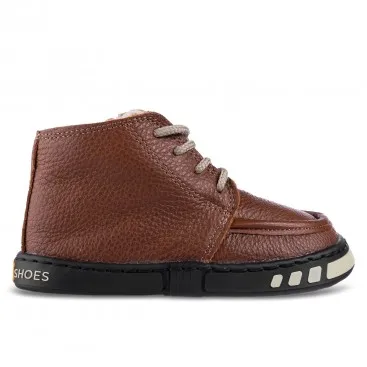

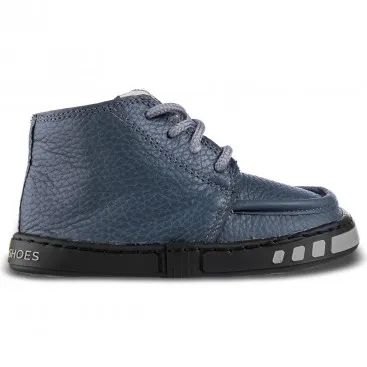


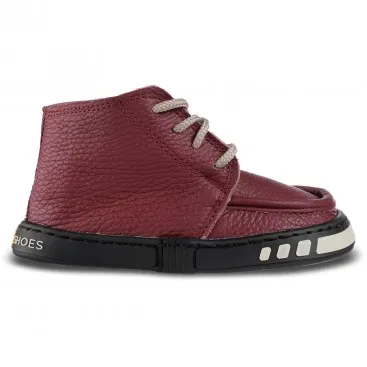

Children's shoes for every season – natural freedom all year round
Children's feet are little masterpieces in constant evolution. Their development is dynamic, and every step, jump, or climb is not just play but also a significant stimulus for muscles, joints, and the sense of balance. That's why since the inception of Magical Shoes, we have been guided by one goal – to create children's shoes for every season that support natural movement and freedom, regardless of weather conditions.
In our philosophy, there is no room for compromise. We don't believe that one pair of shoes can meet all the challenges posed by changing seasons. Instead, we design footwear that fully meets the needs of children in spring, summer, autumn, and winter – tailored to their anatomy, activities, and the environment in which they move.
Spring and summer – when lightness meets breathability
When the earth awakens from its winter slumber, children feel an irresistible need to move. The first walks through puddles, playground games, and long hours outdoors require footwear that provides protection but does not restrict the natural functions of the foot. That's why the children's shoes for spring and summer that you will find in our offer are lightweight, flexible, and made from breathable materials. They allow feet to breathe while protecting against excessive overheating, chafing, and moisture.
It is crucial for us that the footwear does not alter the biomechanics of a child's movement – that's why spring and summer models retain all the features of barefoot shoes. A flexible sole, anatomical shape of the toe space, and lack of rigid heel support are features that provide children with full freedom to explore the world barefoot, even when they have shoes on their feet.
Autumn and winter – protection without restrictions
When the days become shorter and the weather more capricious, children do not give up movement – and we do not want them to have to. Our children's shoes for autumn and winter were created with these seasons in mind, where not only comfort matters but also effective protection against cold, moisture, and slippery surfaces.
We use natural, breathable materials and waterproof finishes that do not disrupt foot ventilation. The shoes are lightweight and flexible – even insulated and waterproof models maintain full mobility. This way, your child will not only stay warm but also maintain contact with the ground, which is crucial for balance, proper gait, and healthy development of the musculoskeletal system.
We believe that true protection is one that does not block natural movement. That's why our children's shoes for winter and autumn are designed to work in harmony with the child's body, not against it.
Children's barefoot footwear – freedom you can feel
If you've ever wondered what the perfect balance between protection and freedom looks like, the answer is children's barefoot footwear. At Magical Shoes, we embrace the philosophy of minimalism – not in the sense of simplification, but in restoring the foot to its natural role.
Every model of our children's shoes, regardless of the season, is designed according to barefoot principles. A flat sole without a drop, ample toe space, no unnecessary stiffening, and minimal weight – all this ensures that your child walks as nature intended.
Minimalist footwear for children does not mean compromising on safety. On the contrary – it's a step towards better ground feel, improved coordination, and healthy movement habits that will last a lifetime.
Minimalist shoes for children – less means healthier
In a world saturated with extras, technology, and marketing, minimalist shoes for children are a response to the growing need for simplicity, functionality, and conscious choice. In our work, we are not guided by seasonal trends – we focus on development, ergonomics, and comfort.
Minimalist footwear is not just a product – it's a philosophy that meets the real needs of children. Thanks to flexible, thin soles, children better feel the surface they walk on. This way, their brain receives more stimuli, develops faster, and movements become more precise.
This is especially important when we talk about children's shoes for every season. Each season imposes different requirements – different thermal needs, different types of surfaces, different movement intensity. Minimalism allows for reacting to these changes in a way that does not disrupt the natural adaptive mechanisms of the child's body.
Designed with year-round movement in mind
Well-chosen children's shoes for every season not only protect – they cooperate with the child. They help them explore the world, develop, and get to know their own body in changing conditions. At Magical Shoes, we believe that every child deserves footwear that supports this process regardless of the weather, season, or place of play.
Our shoes are created with passion, knowledge, and understanding of the biomechanics of a child's body. We make them by hand, in Poland, paying attention to every detail – from material selection, through sole construction, to the way the interior is finished. All this so that your child can feel free and confident – in spring, summer, autumn, and winter.
How to choose children's shoes for every season?
Choosing children's shoes for every season is best started with one simple thing: a child does not need one pair for everything, but well-chosen models for specific conditions. In spring and summer, lightness, breathability, and comfort in movement are most important. In autumn and winter, protection against cold, moisture, and slippery surfaces is added. Therefore, in this category, it's not about finding a "magical year-round shoe," but about understanding that a child's foot needs something slightly different depending on the season.
It's best to look at several things at once. First, the age and stage of development of the child. A toddler taking their first steps has different needs than a preschooler, and a school-age child who is active all day has different needs. Second, the season and real conditions. Shoes for spring and summer should allow the foot to breathe, and models for autumn and winter must provide better coverage, but still cannot be heavy and stiff. Third, the fit itself, because even the best category won't help if the shoe is too small, too big, or simply not suited to the shape of the foot.
In practice, well-chosen children's shoes for each season are those that the child simply wants to wear. They don't fight with them, don't take them off after a moment, don't walk unnaturally in them. If the shoe works in the background and doesn't interfere with everyday movement, it's usually a sign that the choice was made well.
Who are children's shoes for every season for?
This category is for parents who don't want to buy shoes randomly and prefer to choose footwear according to the real conditions in which the child moves. It's a very good direction for families looking for a practical seasonal division and want to ensure that in summer the child doesn't wear shoes that are too warm, and in winter they don't freeze in a model that only looks good in photos.
It's also a good category for parents who want to introduce barefoot footwear or are already using it but need to organize purchases according to the season and the child's age. In practice, this division often helps the most because it's easier to choose specific sandals, shoes, slippers, or autumn-winter models for the child's everyday life.
It also works well for parents who have very active children. When a toddler or older child spends a lot of time moving, on the playground, walks, in kindergarten or school, the difference between summer and winter shoes becomes very clear. And that's when this category stops being a description and starts being simply a practical selection system.
When does such a category not solve everything?
The category "children's shoes for every season" organizes the choice very well, but it doesn't replace individual fitting. This is important because parents sometimes want to treat such a division as a ready shortcut and immediately buy "something from the autumn section" or "something from the spring-summer section" without checking if a specific model fits the child's foot. Here, the most important things are still length, width, foot shape, and daily use.
This category also doesn't address situations where the child has specific recommendations from a specialist. If there are individual orthopedic or physiotherapeutic indications, the seasonality of the shoe is just one element of the decision. The second is the real needs of the child resulting from their development and any therapy.
It's also worth clearly stating that there's no point in looking for one pair for the whole year just to limit purchases. A child's foot develops dynamically, and weather conditions really make a difference. It's better to have well-chosen shoes for specific seasons than one model that is too warm for half the year and too light for the other half.
Comparison: children's shoes for different seasons vs. "year-round shoes"
In theory, year-round shoes sound convenient. One pair, fewer decisions, fewer expenses, less hassle. The problem is that children don't function in the same conditions all year round. In summer, they need lightness, breathability, and freedom. In autumn and winter, protection from moisture, warmth, and better protection from cold are important. One model very rarely can truly respond well to both extreme scenarios.
That's why the division into children's shoes for spring-summer and autumn-winter is simply more practical. A parent can choose a model for the real weather, and the child has a shoe that works in its season, rather than trying to be a universal solution at all costs. It's a bit like a jacket. Theoretically, you can have one for many months, but in practice, you know well that a light spring one won't replace a winter one, and a winter one in May will be simply absurd.
That's why a well-designed seasonal category works better than a general promise "for the whole year." It's more honest with the parent and much more sensible from the child's point of view.
Where to buy children's shoes for every season?
Children's shoes for every season are best bought where this division is truly thought out and based on practice, not just on putting a few models into separate tabs. In this group, many things matter: the child's age, season, type of activity, way of measuring the foot, size chart, and a clear description of what a specific model is really suitable for.
More and more parents are searching for phrases like children's shoes for every season, children's shoes spring-summer, children's shoes autumn-winter, barefoot shoes for children in summer, children's shoes for winter barefoot, or barefoot slippers for kindergarten. This shows that the purchasing intent is already very specific. The parent is not just looking for "shoes for a child," but a model that will work in a given season and fit the child's everyday life. That's why it's worth choosing stores and brands that not only sell but also help sensibly choose a model.
In Poland, there are brands that develop the category of seasonal children's footwear really broadly and logically. One of them is Magical Shoes, where children's models are organized by age, season, and application, not just by appearance.
Recommendation from Magical Shoes
From our experience, thinking seasonally works best in the children's category, but without exaggeration and without complicating life for parents. It's not about the child having ten pairs, but about having the right model at the right moment. Lightweight and breathable shoes for warmer months, more covered models for cooler days, well-chosen slippers for kindergarten or school. That's enough if everything is well thought out.
The most important thing remains fitting to the child, not to the category itself. Two children's feet of the same age may need something different. That's why it's always worth looking at the shape of the foot, daily routine, and how the child functions in a given season. A well-chosen shoe doesn't have to impress on the shelf. It just has to work when the child runs, turns, climbs, sits on the carpet, and then moves forward again.
If a parent doesn't have to constantly adjust the shoe and the child doesn't pay attention to it, just moves normally, it's usually the best proof that the choice was right. In the seasonal category, that's what it's all about.
FAQ – children's shoes for every season
What are the best children's shoes for every season?
The best are not "one for everything," but well-chosen for a specific season. A child needs different shoes in spring and summer, and different ones in autumn and winter. This is the most practical and convenient solution for everyday use.
Can a child wear one pair of shoes all year round?
In practice, this is usually not a good solution. In summer, the shoe should be light and breathable, and in winter more covered and warmer. One pair for the whole year very rarely truly responds well to such different conditions.
What is the difference between children's shoes for spring and summer and shoes for autumn and winter?
Models for spring and summer are usually lighter, more breathable, and less covered. Shoes for autumn and winter should better protect against cold, moisture, and changing weather, but still should not be heavy or too stiff.
What children's shoes to choose for spring?
In spring, the best are light, flexible models that handle the child's daily movement well. It's a good time for shoes, sneakers, or transitional models that don't overheat the foot but already provide more coverage than summer sandals.
What children's shoes to choose for summer?
In summer, breathable, lightweight, and comfortable shoes throughout the day work best. In this category, sandals, light sneakers, and models that allow the foot to breathe and don't burden the child during play, walks, and daily movement work well.
What children's shoes to choose for autumn?
In autumn, it's worth choosing more covered models, but still comfortable and light. The child needs shoes that can handle cooler mornings, moisture, and more changeable weather, but won't be too heavy for the whole day.
What children's shoes to choose for winter?
For winter, models specifically designed for this season work best. They should better protect against cold and moisture, while still not restricting movement more than necessary. A well-chosen winter model should be warm but also comfortable for everyday walking.
Are children's barefoot shoes suitable for every season?
Yes, but not as one model for everything. Children's barefoot shoes work very well throughout the year, provided you choose models suited to the season. Different ones will be suitable for summer, others for autumn and winter.
Do barefoot shoes for children work in summer?
Yes, very well. Light sandals and breathable barefoot models are a great choice for warmer months because they give the child freedom of movement and don't overheat the foot like more covered styles.
Do barefoot shoes for children work in winter?
Yes, if you choose a model designed for colder months. In this category, material, level of coverage, comfort, and whether the shoe is truly suitable for winter use, not just looking more covered, are important.
How to choose children's shoes for the season?
It's best to look at three things at once: the weather, the child's age, and daily activity. A different model is needed for a toddler learning to walk in spring, a different one for a preschooler in summer, and yet another for a school-age child in winter. The season matters, but it always has to go hand in hand with the child's real lifestyle.
Do children need separate shoes for kindergarten and outdoors?
Most often, yes. Slippers for kindergarten or school have a different task than shoes worn on walks or playgrounds. Indoors, lightness, breathability, and comfort for many hours matter, and outdoors, weather conditions and greater surface variability come into play.
What children's slippers to choose for kindergarten all year round?
The best are light, comfortable models that hold the foot well without pressure and are easy to put on. In kindergarten, the child is practically always in motion, so slippers should act more like natural, comfortable indoor footwear than like heavy change shoes.
Should children's shoes for every season be very flexible?
It's good if they are flexible enough not to interfere with the foot's natural movement. In the children's category, stiffness very rarely works in favor of comfort. This is especially important when the child runs a lot, jumps, and changes direction of movement throughout the day.
Should children's shoes have a hard sole?
Usually, there is no such need. Many children function better in lighter and more flexible shoes than in very hard models. A well-chosen shoe should protect the foot but shouldn't turn into a rigid shell.
How to choose the size of children's shoes for a given season?
The size is best chosen based on the actual measurement of the child's foot and the manufacturer's size chart. It's important to remember that a seasonal shoe should work well for the given period, but shouldn't be bought "too much in advance," as it then loses stability and comfort.
How much room should children's shoes have for the season?
The room should give the child freedom, but it shouldn't be too large. It's best to rely on the actual foot measurement and the specific model's chart because a well-chosen shoe should work in motion, not just when trying it on at home.
Is it worth buying children's shoes much larger to last longer?
No, this is usually a poor idea. A shoe that's too large can worsen stability, make walking difficult, and simply bother the child. It's better to buy a model suited to current needs and the season than to try to solve everything with one size for several months.
Should children's seasonal shoes be lightweight?
Yes, it's very important. A child is in motion for a large part of the day, so shoes that are too heavy simply tire them out. This applies not only to summer models but also to autumn and winter ones. Protection doesn't have to mean weight.
Do children's winter shoes have to be very stiff?
No. This is a common stereotype that in practice often hinders more than helps. Children's winter shoes should protect against cold and moisture but shouldn't take away the child's ability for natural movement.
Should children's summer shoes be completely open?
Not always. It depends on the child's age, activity, and situation. Sometimes sandals are best, and sometimes light, more covered shoes. The most important thing is that the model is breathable, comfortable, and suited to daily use.
Are children's shoes for every season suitable for very active children?
Yes, but that's why they need to be well-chosen for the season. An active child will quickly show whether the shoe works or hinders. In practice, it's precisely with children who move a lot that the sense of dividing into spring-summer and autumn-winter models is most evident.
Is it worth buying children's seasonal shoes online?
Yes, but provided you carefully check the size chart, model description, and how to measure the child's foot. When buying online, it's especially important not to rely solely on the size number but on real fit and the intended use of the specific style.
Where to buy good children's shoes for every season?
It's best to look for them from manufacturers and stores that have a clear division by season, child's age, and model application. In this group, a detailed description, size chart, and real help in choosing a shoe for a specific season matter.
Is it worth having several pairs of children's shoes in a season?
In many cases, yes. It's not about excess, but about practicality. A child usually needs different shoes for kindergarten or school, different ones for outdoors, different ones for summer, and different ones for winter. It's more logical than looking for one pair that has to do everything.
Can children's shoes for every season be both comfortable and practical?
Yes, and that's exactly the point of a well-designed seasonal category. A shoe shouldn't be just "for the right weather." It should also be comfortable, lightweight, well-fitted, and sensible in the child's everyday life.