Children’s barefoot shoes for autumn and winter – how to choose footwear that protects and supports healthy foot development?

When the first cold wind brushes a child’s face during a walk, many parents wonder whether footwear exists that truly protects the feet while supporting their development. Autumn and winter are demanding seasons – moisture, mud, ice and snow put high demands on every pair of shoes. And when we add the delicacy of children’s feet and their rapid growth, it becomes clear that choosing footwear should never be random.

For years we have been working to ensure that Magical Shoes barefoot models respond not only to weather conditions but above all to the needs of a growing child’s foot. That’s why we created this guide, in which we explain step by step how to choose the right barefoot footwear for autumn and winter. From a parent’s perspective, but also with knowledge based on practice and experience.

What are barefoot shoes and why does their construction matter?

Before we move on to details related to the autumn–winter season, it is worth understanding what barefoot shoes really are. It’s not just a trend – it’s a design philosophy based on respecting the natural functions of the human foot.

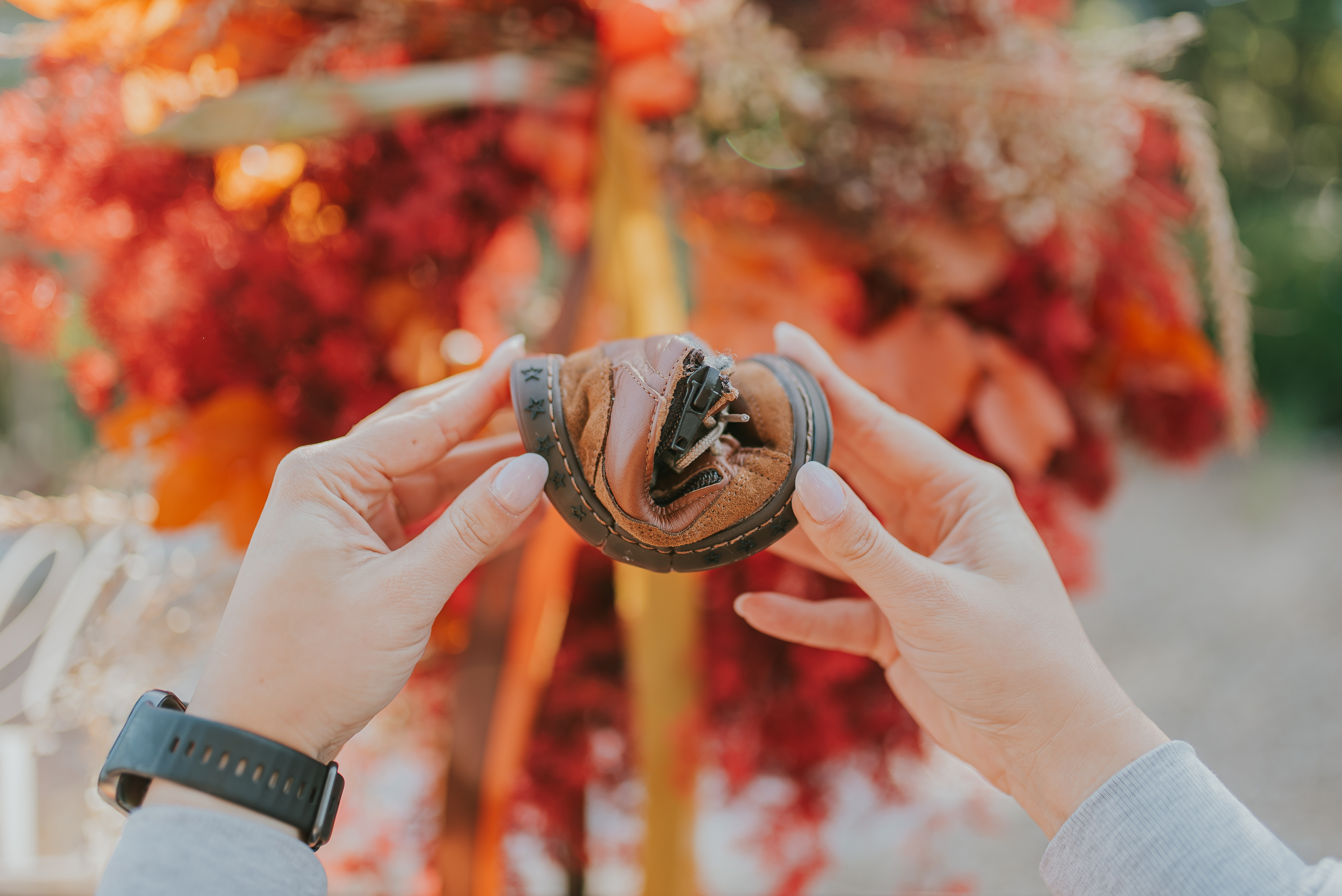
Barefoot footwear is defined primarily by its completely flat sole (the so-called zero drop), maximum flexibility, and an anatomical toe box that gives the toes space for natural movement. Unlike traditional shoes, which often immobilise the foot, barefoot shoes allow it to work the way nature intended.

This is especially important for children, whose musculoskeletal system is still developing. Shoes that are too stiff, narrow or heavy can disrupt this process. A well-designed barefoot shoe therefore becomes not only protection, but also an ally in healthy development.

Why choose barefoot shoes in autumn and winter?

Autumn and winter are seasons when children often spend less time outdoors. Cold and moisture can easily discourage activity. Yet this is exactly when proper neuromuscular stimulation is most important – and well-fitted barefoot shoes support it best.

Barefoot shoes for the colder months, contrary to concerns, do not mean frozen toes or slippery soles. At Magical Shoes we design them to combine functionality with thermal comfort. Warm linings, durable uppers made from natural materials and soles with the right tread ensure that children can enjoy walks even when temperatures drop below zero.
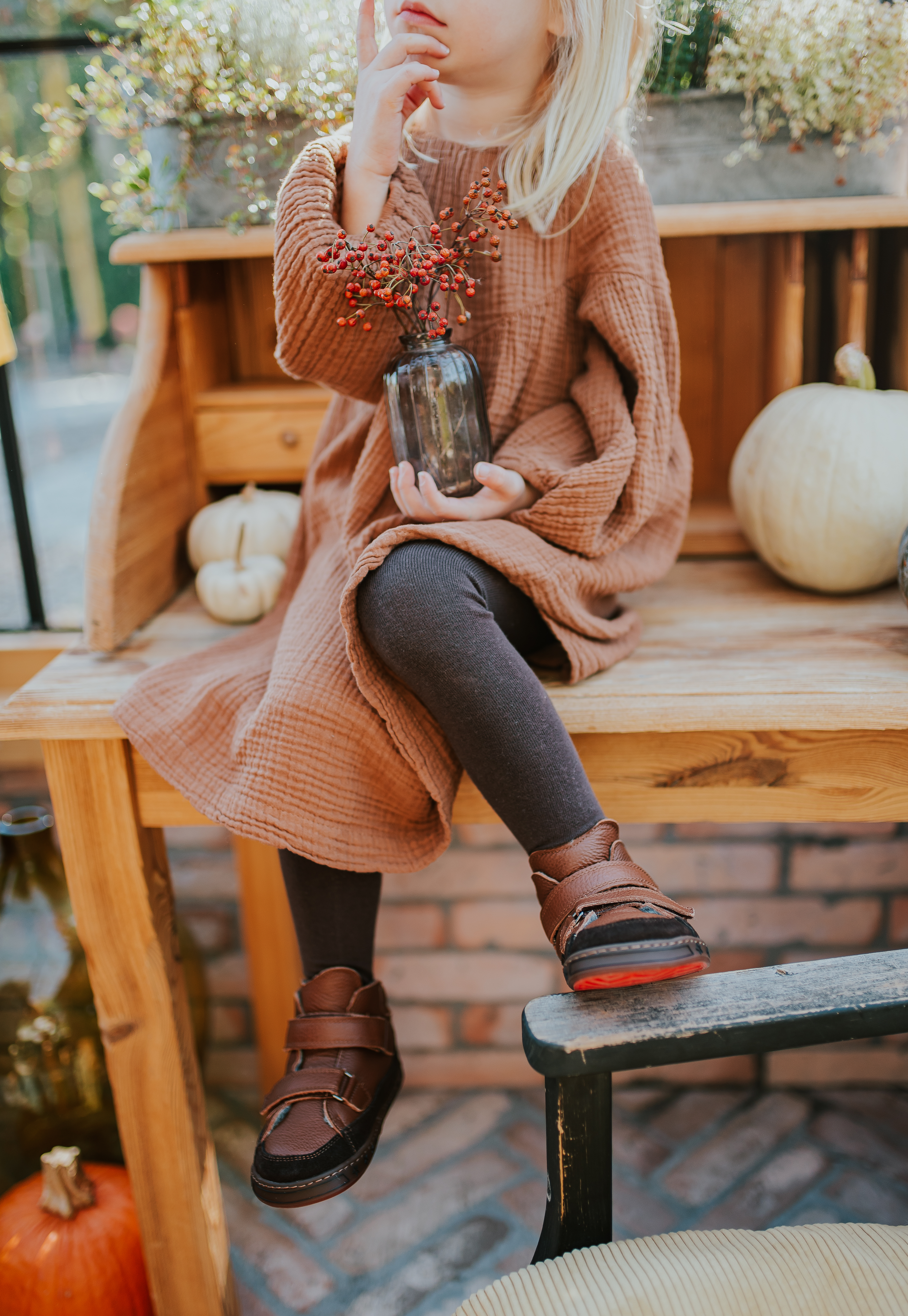
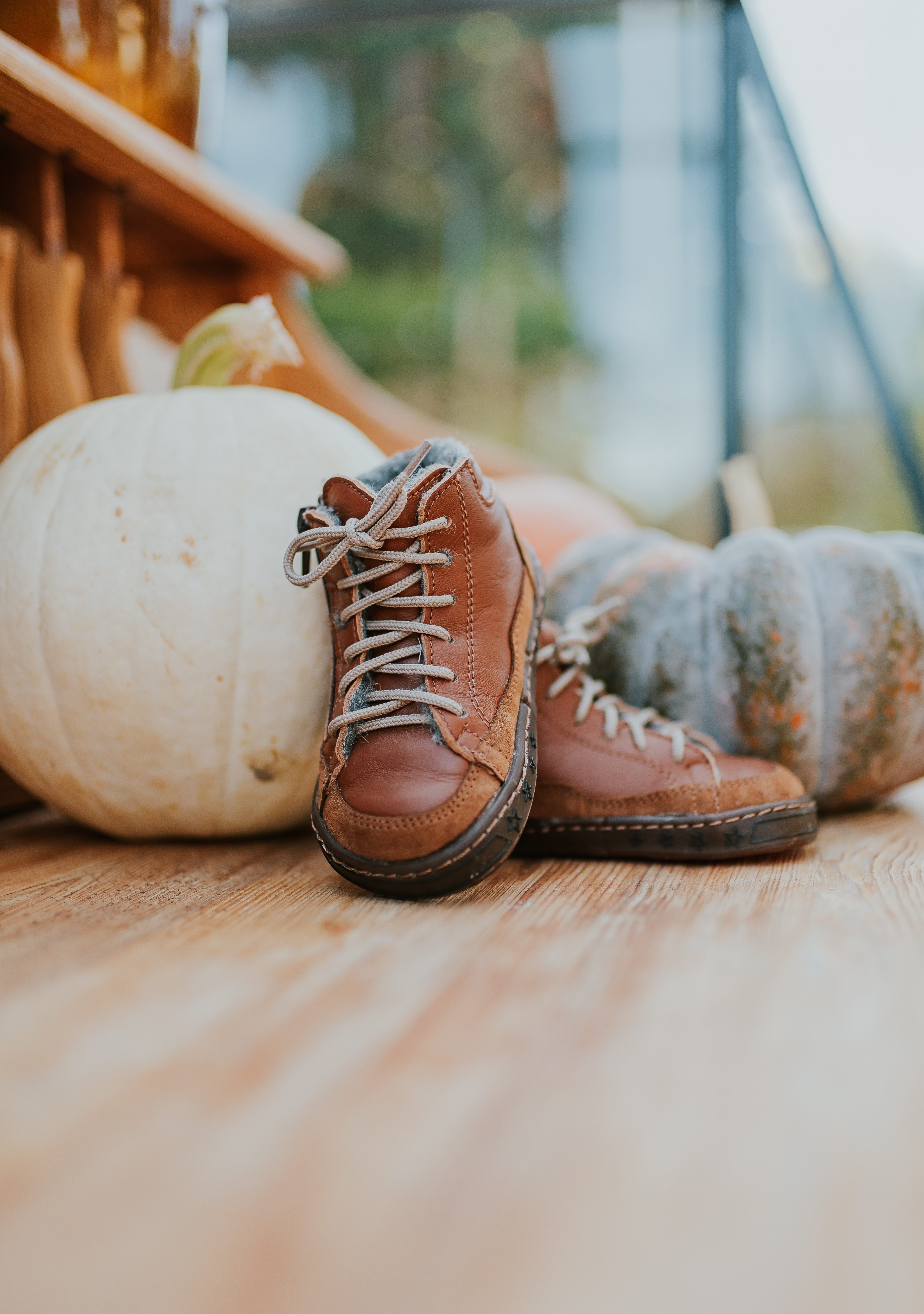
Flexibility and protection – two pillars of a good shoe

One of the most common myths is that a winter shoe must be stiff to protect. In reality, the opposite is true – the more the shoe cooperates with the foot, the better it supports it. That’s why sole flexibility in our winter models is not a compromise but a necessity.

Children move dynamically and often unpredictably. They need shoes that respond with them – cushioning each step, allowing stable landing and natural weight transfer. A stiff sole can disrupt this rhythm, leading to overload or even posture issues.

At the same time, we understand that winter requires more than freedom. That’s why our shoes have a well-designed tread that ensures grip on slippery surfaces. It’s a subtle but important balance between freedom and safety.

How to choose the right size of barefoot shoes?

Many parents fear that choosing the wrong size is easy with barefoot shoes. In reality, it’s simple once you understand a few rules. A child’s foot in barefoot footwear should have space to move — both in length and width.

We always recommend measuring the foot while standing, preferably at the end of the day when it may be slightly larger. Add 0.8 to 1.2 cm to the actual foot length — this space allows toes to move and the foot to bend naturally. Too little extra room restricts development; too much can destabilize walking.

It’s also important to remember that the anatomical, wide toe box is not a trend but a necessity. It allows the toes to align naturally without pressure that could, over time, cause deformities.

What makes our models stand out for the colder months?

When designing our fall and winter shoes, we focus on preserving the essence of barefoot footwear while adding features suited to harsh weather conditions. That’s why we use natural, breathable materials that keep feet warm without trapping moisture.

The inner insulating layers are soft and pleasant to the touch, yet warm enough to protect little feet even on frosty days. Our uppers resist moisture while still allowing water vapor to escape — meaning feet don’t overheat or sweat.

What’s more, all our models are ultralight, which is especially important for children. Heavy winter boots can alter gait and create unnecessary tension in the body. We believe that even in winter, a child’s feet should feel the same lightness as in summer — with the right protection.

Are barefoot shoes safe for children in winter?

This question comes up almost every time. And the answer is yes – as long as they are well-designed barefoot shoes. Footwear doesn’t need to be thick or stiff to protect against the cold. In fact, overly rigid shoes limit natural circulation, which can lead to faster cooling.

Barefoot shoes with proper thermal insulation, ventilation, and a non-slip sole give a child everything they need in winter — warmth, stability, and freedom of movement. And most importantly, they do not interfere with the natural function of the foot, which knows best how to maintain balance on a slippery surface.

Barefoot shoes and children’s orthopedic needs – when should you consult a specialist?

Although barefoot footwear supports the natural development of the foot, there are situations where choosing it should follow a consultation with a physiotherapist or orthopedist. Every child is different, and their development is individual. Some little ones move smoothly from their very first steps, while others have lowered muscle tone, asymmetries, or a tendency toward valgus feet and knees.

In such cases, it’s essential not to act on your own. Barefoot shoes, despite their many advantages, are not a universal solution. A well-chosen model can support therapy, but if introduced at the wrong moment, it can also reinforce undesirable movement patterns.

That’s why at Magical Shoes we always encourage mindful decisions. If you have any doubts about your child’s foot development, it’s worth seeking a specialist’s opinion. Sometimes one appointment is enough to ensure that barefoot is the right choice — or to plan its introduction at the proper time.

How to start the barefoot journey in autumn and winter?

For many parents, the first encounter with barefoot shoes happens in summer, when a child walks barefoot on the beach or in the garden. Autumn and winter may seem like less obvious times for a change, but in reality they can be ideal — this is when feet spend many hours in shoes, so choosing the right footwear matters even more.

If the child previously wore classic, stiff shoes, it’s best to introduce barefoot gradually. At first, these can be shorter walks, playtime outside, or wearing a lighter model to preschool. The foot needs time to regain full mobility and learn a new movement pattern. Some children adapt intuitively within days, for others it may take weeks. The key is observation — no forcing, no rushing.

It’s also important that the child has access to varied sensory stimuli during this transition. Walking on natural, uneven terrain — even just on fallen leaves in a park or a forest path — activates the foot muscles and strengthens the barefoot effect. Autumn and winter, despite the cold, offer plenty of such opportunities.

The most common mistakes when choosing barefoot shoes – and how to avoid them

Parents who choose barefoot shoes for the first time often focus on appearance or brand, without fully understanding the principles such footwear should follow. Yet not every shoe labeled “barefoot” truly meets those standards.

One of the most common mistakes is choosing a model that is too narrow. Even if the sole is flat and the material is soft, a tight toe box restricts toe movement — which goes against the very idea of barefoot shoes. Another mistake is thermal mismatch — material that is too thin for winter or lack of breathability, which leads to overheating and moisture.

Some parents also choose shoes that are too big, thinking that “extra room is better.” Yes, some growing space is needed — but only enough to avoid disrupting gait. A shoe in which the foot slides becomes unsafe, especially in winter.

That’s why we always encourage accurate measurement of the child’s foot, using our size charts, and — if possible — consulting our team. We help choose a model not only by length, but also by width and purpose.

OLAF – freedom, warmth and independence every day

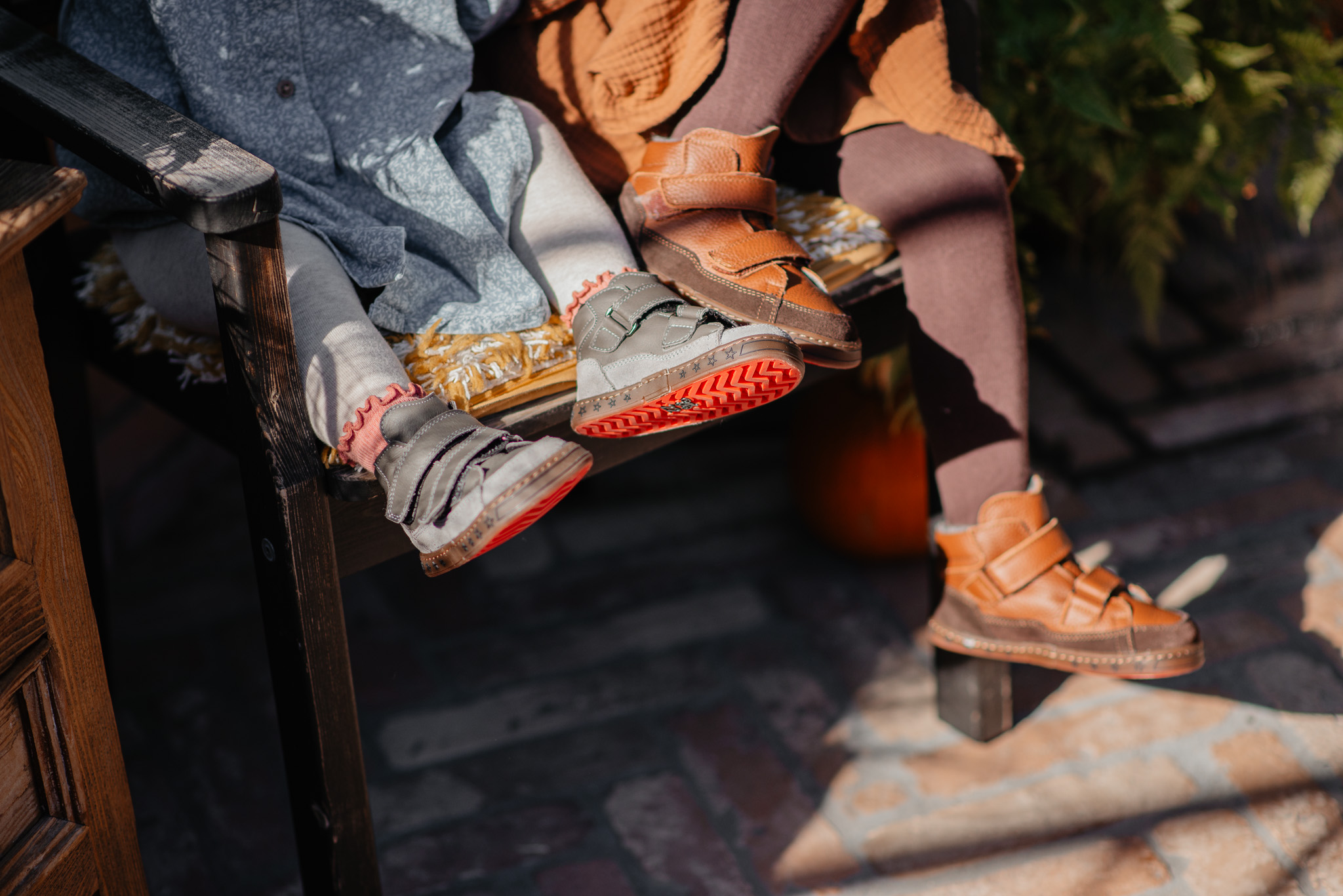
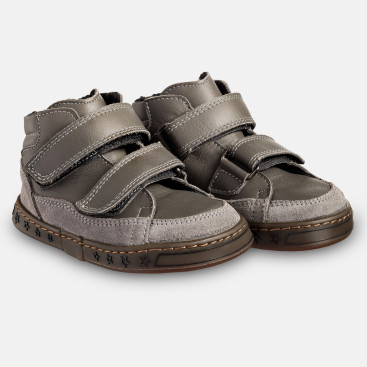
Model OLAF is our classic for the colder months – children’s barefoot shoes designed to support small feet from autumn mornings to winter afternoons. The very first contact gives a sense of lightness and flexibility that immediately distinguishes the OLAFs from typical, stiff winter boots. Soft natural leather — a combination of suede and smooth leather — makes the shoes not only pleasant to the touch but also breathable.

Inside there is a warm, soft lining that wraps the child’s foot without overheating. This provides comfort down to approx. –5°C — ideal for city walks, the way to preschool or the first snow in the yard. The biggest advantage of the model is the two wide Velcro straps. Thanks to them, the child can put the shoes on independently and efficiently, gaining independence, and you gain a few calmer minutes before leaving. The flexible sole, flat construction and wide toe-box support a natural gait, developing muscles and balance. This is an everyday barefoot shoe – comfortable, durable and thoughtful in every detail.

YETI – a winter adventure in the rhythm of barefoot

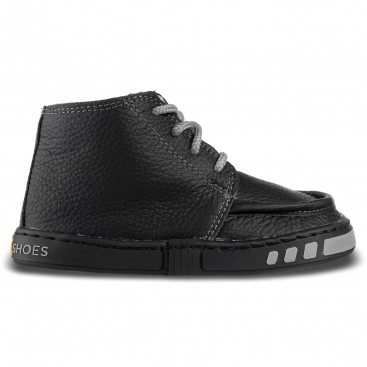
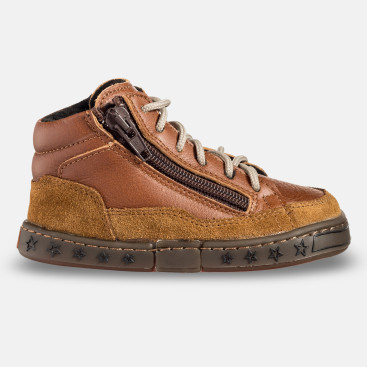
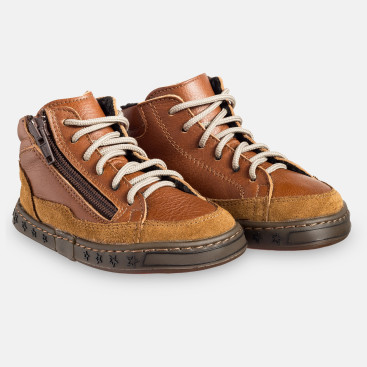
YETI is a model that proudly combines the functionality of barefoot footwear with everyday comfort. For children who like laces but cannot tie them yet — we have the solution: adjust the laces once, and then use the zipper. One simple move, zero frustration. The shoes become a choice the child can manage independently, without constant adult help.
On the outside, YETI features durable natural leather; inside, a warm insulation layer protects the feet from the cold without creating a sauna effect. The barefoot construction remains untouched: wide toe space, flat sole, no unnecessary stiffening. Every step is soft, springy and aligned with the natural anatomy of the foot. The protective rand around the sole prevents the upper from getting damaged when in contact with mud, snow or pavement. YETI is a winter companion for young explorers – from morning walks to preschool adventures.

ZUBA – an interseason classic that supports every step

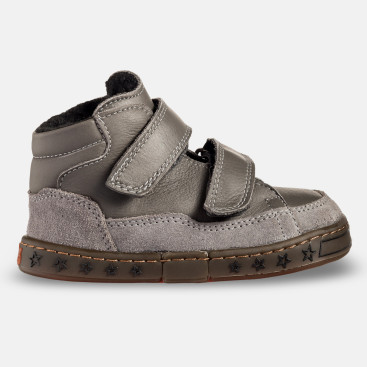
When mornings are chilly but not yet wintery, it’s worth choosing the ZUBA model – barefoot shoes created for transitional months. It’s a combination of suede and smooth leather with a soft felt lining that provides thermal comfort on cool days without unnecessary overheating. An ideal model for autumn, early winter and spring.
ZUBA is minimalist but full of function. One wide velcro strap makes independent putting on easy, and the soft upper moves with the foot. The flexible sole allows the child to feel the ground, supports balance development and gives the foot what it needs most — space and freedom. ZUBA is a favorite among children and parents who look for barefoot shoes for preschool, daily walks and city outings. And on top of that… it looks great — in muted, elegant colors that match any outfit.

ZIU ZIU – a true winter barefoot

Ziu Ziu are shoes that prove barefoot doesn’t end with the warmer months. This model was created for a real, snowy winter. The natural leather upper is durable and gentle on the skin, and the interior lined with warm merino wool offers softness and warmth even in very low temperatures.
Ziu Ziu feature an easy velcro closure, making them ideal for children who are just learning independence. Despite their “winter nature,” the shoes remain fully flexible — the sole bends effortlessly, allowing the foot to work as if walking barefoot. Moreover, the new stitched sole not only increases durability but also protects the upper from damage. This model is a great choice for demanding parents and children who don’t want to give up natural movement even during the coldest months.

MANUL – everyday lightness in an autumn edition

MANUL is the younger brother of the winter model TAKIN – a shoe created for autumn, cooler spring days and mild winter. Inside there is a felt lining that provides comfort down to approx. 5°C. It is an ideal barefoot shoe for children who need lightweight yet warm everyday footwear.
The zipper allows quick putting on, and the laces adjusted once do not require daily tying. This solution shortens morning preparation and builds a child’s independence. The shoes feature a flexible, abrasion-resistant sole that protects both the feet and the upper. MANUL is a minimalist yet thoughtful shoe – it suits an urban style, supports motor development and works well in unpredictable autumn weather.

TAKIN – full protection for a full winter

The TAKIN model is a winter barefoot shoe for children who spend a lot of time outdoors – regardless of the weather. Warm wool lining, soft natural leather and a stitched sole create a combination that handles cold, moisture and everyday use. Despite its solid construction, TAKIN does not abandon the barefoot philosophy: it has a wide toe area, a flat sole and flexibility that allows the foot to move naturally.
The zipper makes putting the shoes on easier, appreciated both by young users and by parents during busy mornings. The model is available in many color versions — from classic black to more muted shades of burgundy and marine. TAKIN is our answer to the needs of children who do not want to give up activity even in winter — and to parents who want to ensure healthy foot development in all conditions.

FAQ – frequently asked questions

Yes—provided they are designed for cold months. At Magical Shoes we create winter barefoot models with insulation, grip and moisture-resistant uppers, keeping a child’s feet warm and free.

Choose models with a very flexible sole and wide toe box that don’t restrict natural movement. They should be light and easy to put on, especially for young walkers.

For first steps, choose ultralight shoes with full flexibility and natural inner materials that offer warmth without overheating. They don’t need to be high—natural foot movement is most important.

Yes—they support natural foot development. With their anatomical shape, flat sole and flexibility, they help build strength, arches and healthy posture.

Measure the foot standing on paper. Add 0.8–1.2 cm to the longest toe length. Choose the model based on both length and width, considering the child’s individual foot shape.

Give your child the greatest freedom

No matter the season