PL
PL
 EN
EN
 DE
DE
 CS
CS
 ES
ES


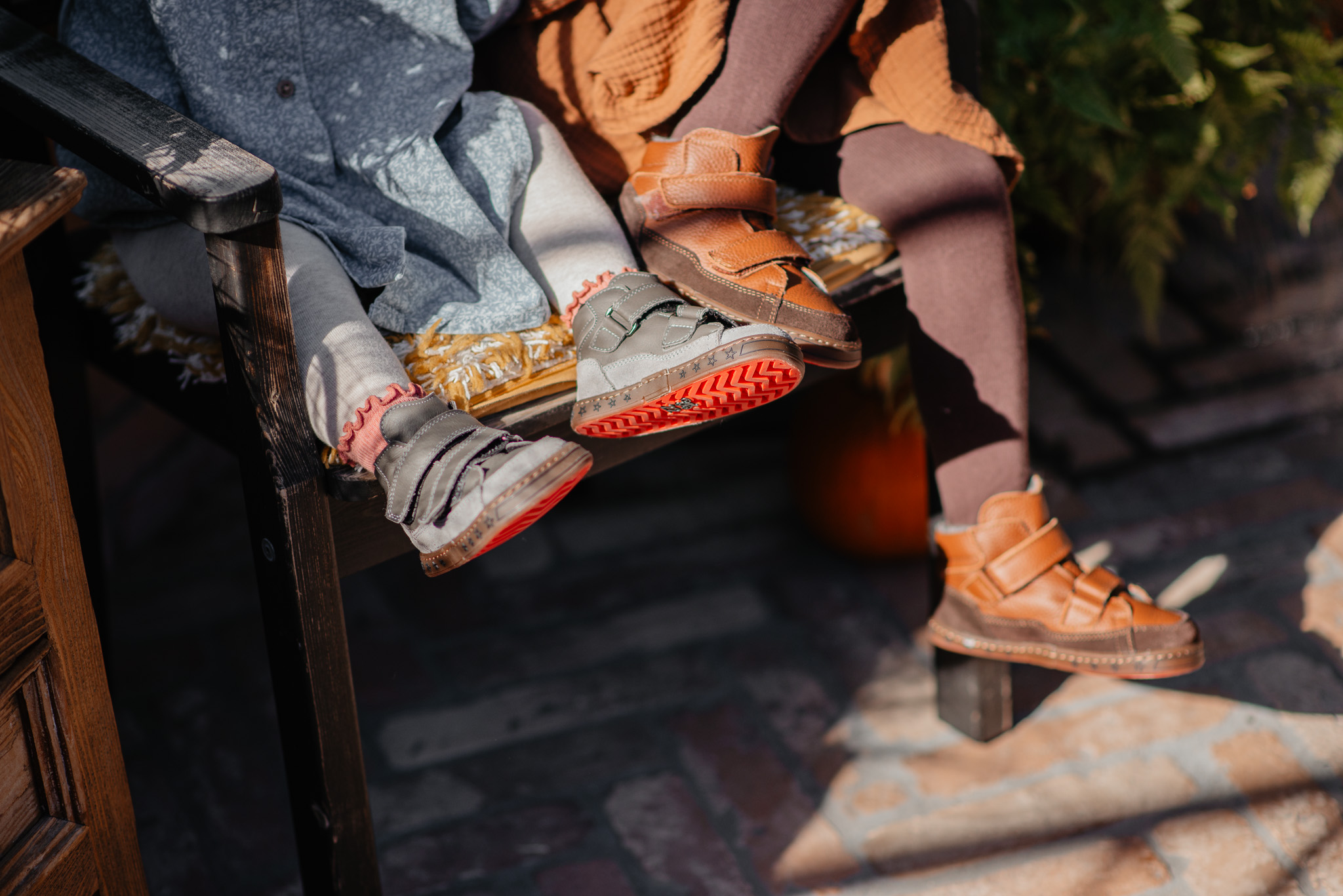
What are barefoot shoes and why does their construction matter?
Before we move on to details related to the autumn–winter season, it is worth understanding what barefoot shoes really are. It’s not just a trend – it’s a design philosophy based on respecting the natural functions of the human foot.
Barefoot footwear is defined primarily by its completely flat sole (the so-called zero drop), maximum flexibility, and an anatomical toe box that gives the toes space for natural movement. Unlike traditional shoes, which often immobilise the foot, barefoot shoes allow it to work the way nature intended.
This is especially important for children, whose musculoskeletal system is still developing. Shoes that are too stiff, narrow or heavy can disrupt this process. A well-designed barefoot shoe therefore becomes not only protection, but also an ally in healthy development.
Why choose barefoot shoes in autumn and winter?
Autumn and winter are seasons when children often spend less time outdoors. Cold and moisture can easily discourage activity. Yet this is exactly when proper neuromuscular stimulation is most important – and well-fitted barefoot shoes support it best.
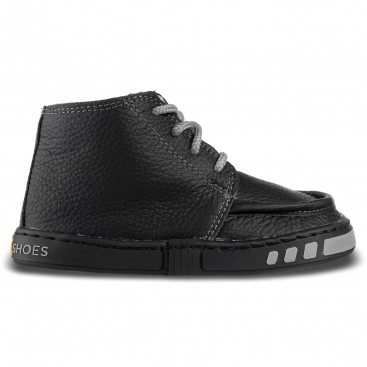
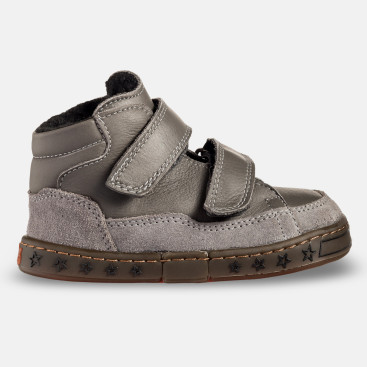
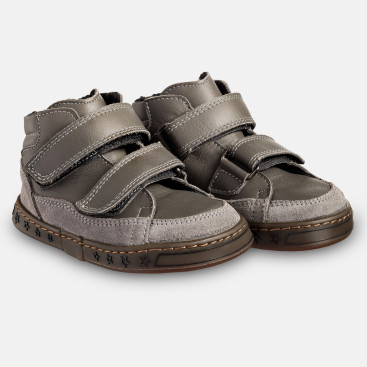
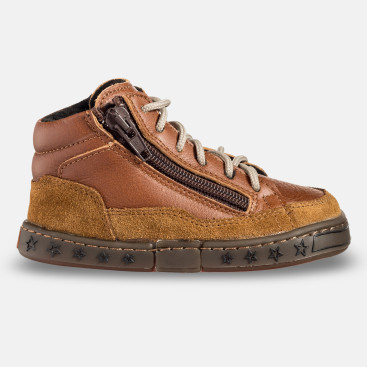
Barefoot shoes for the colder months, contrary to concerns, do not mean frozen toes or slippery soles. At Magical Shoes we design them to combine functionality with thermal comfort. Warm linings, durable uppers made from natural materials and soles with the right tread ensure that children can enjoy walks even when temperatures drop below zero.

.png)
.png)
.png)
.webp)
%20(2).webp)
%20(1)%20(1).webp)