 PL
PL
 EN
EN
 DE
DE
 CS
CS
 ES
ES


Hiking


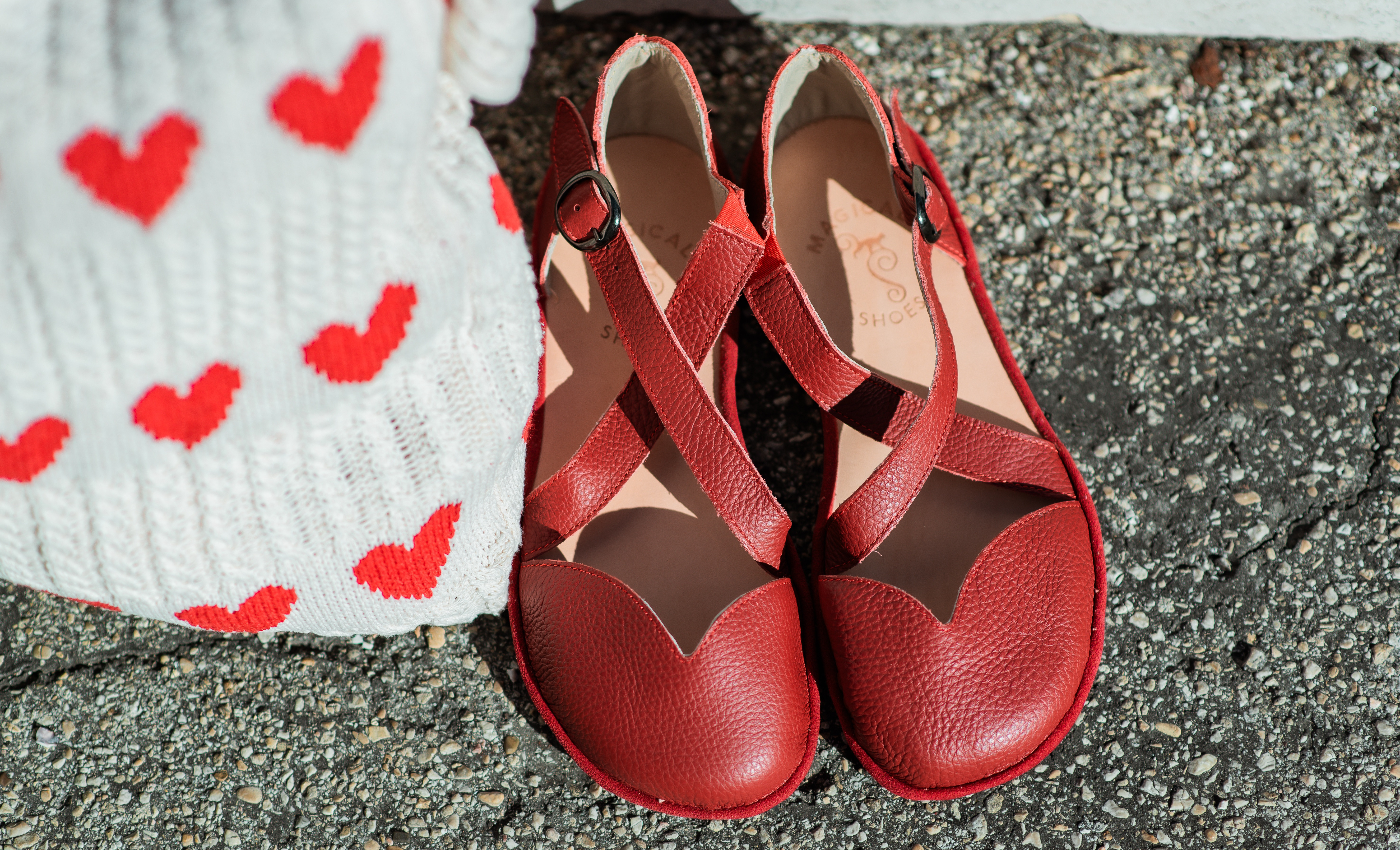
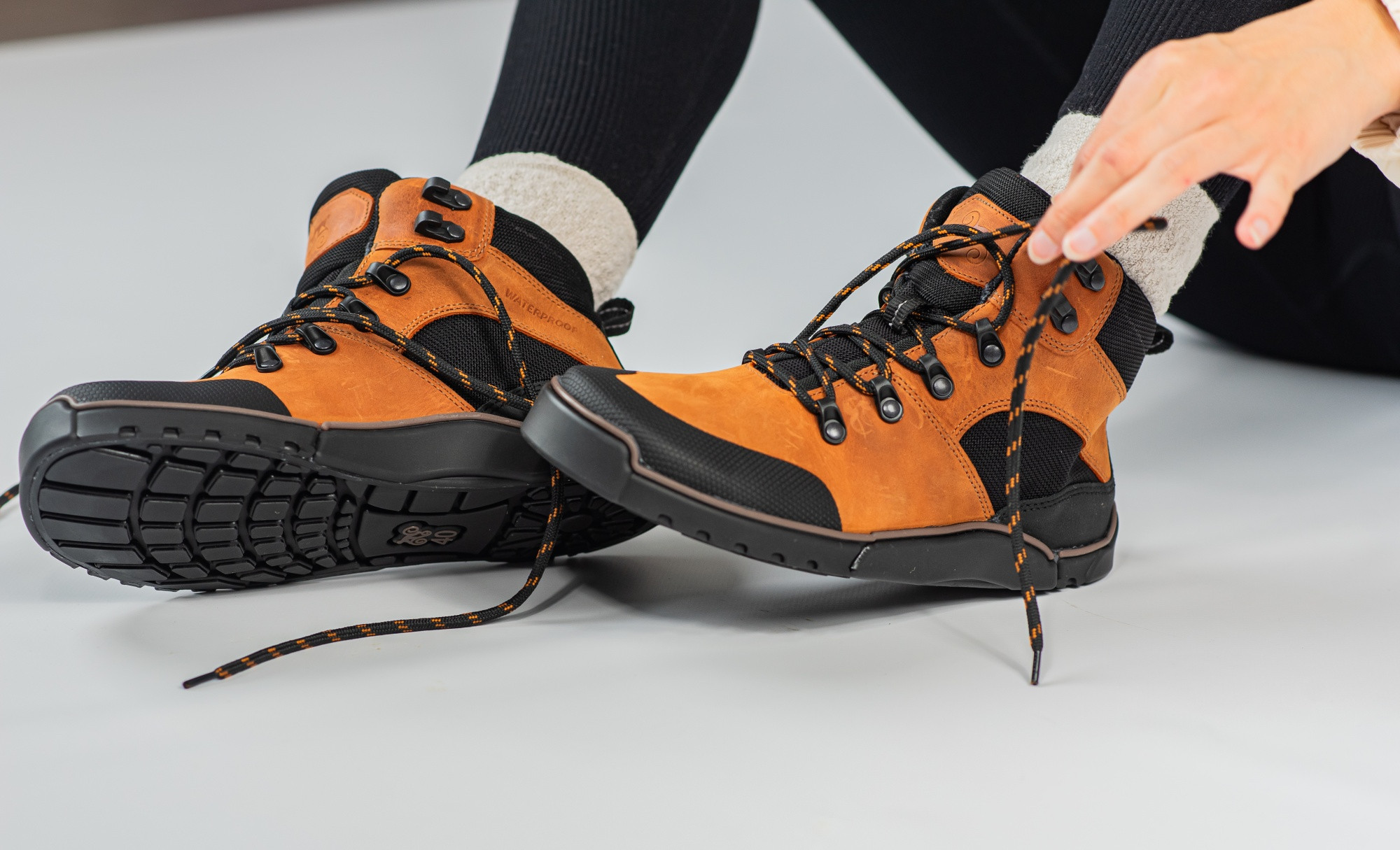



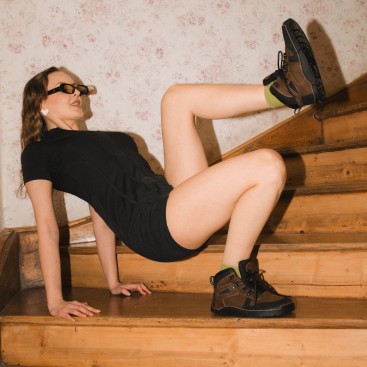
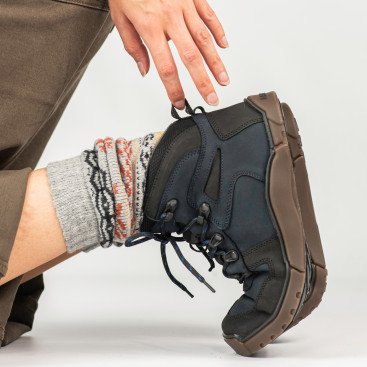
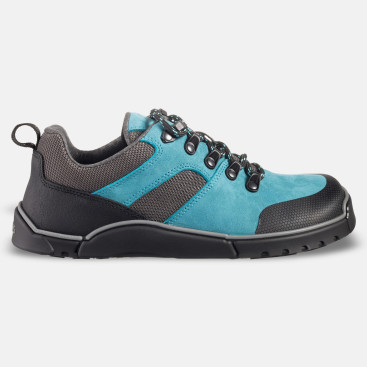
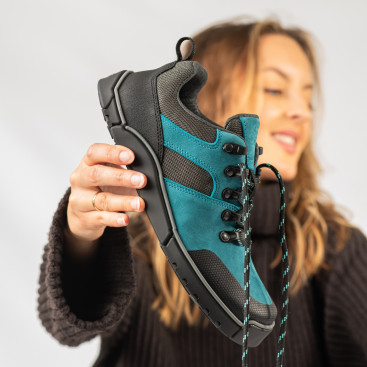
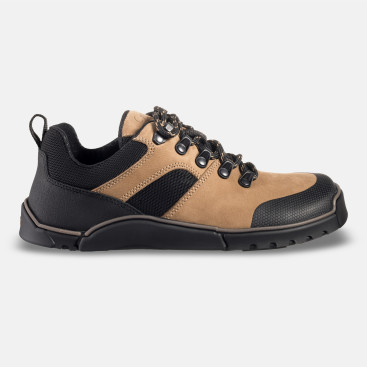
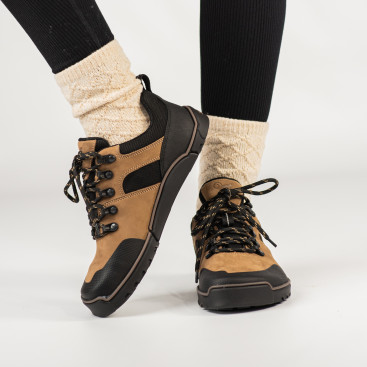
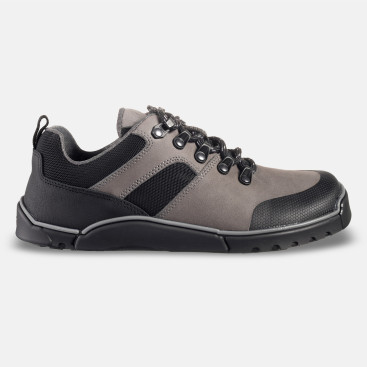
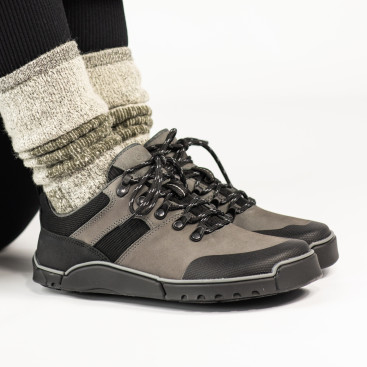
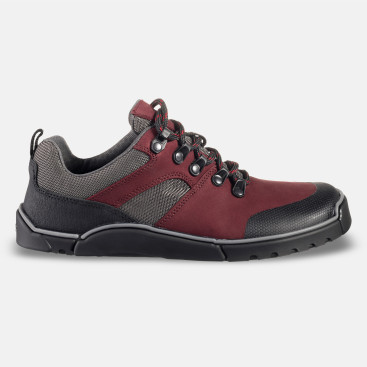
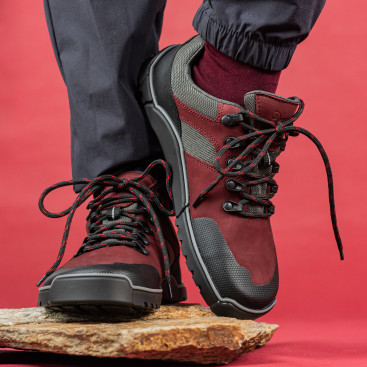
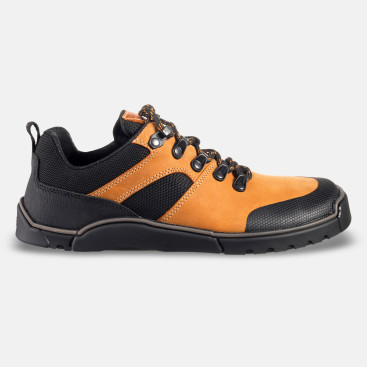
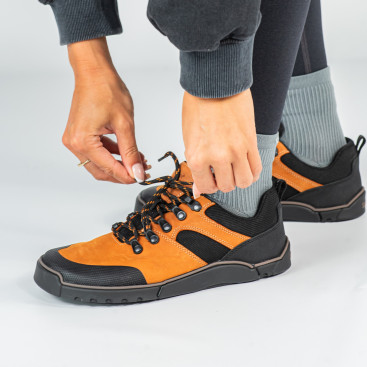
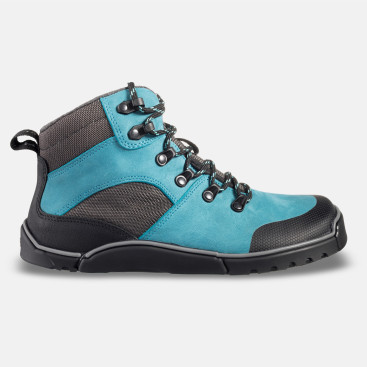
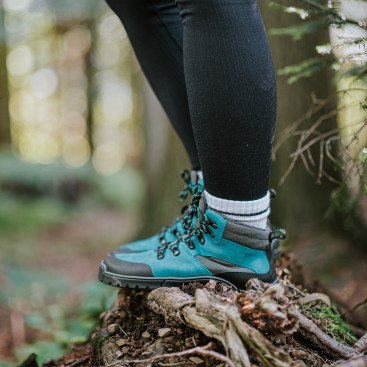
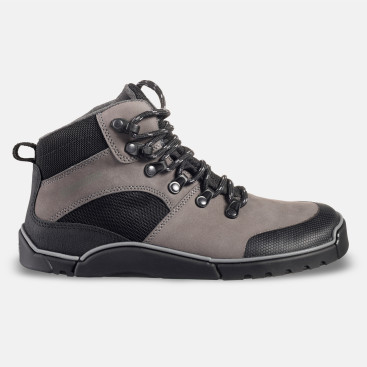
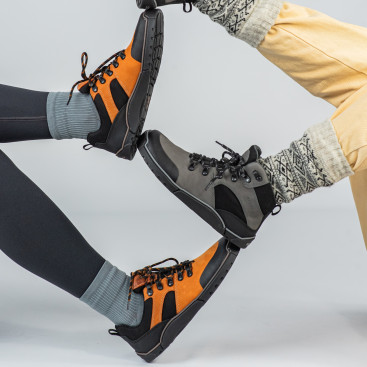
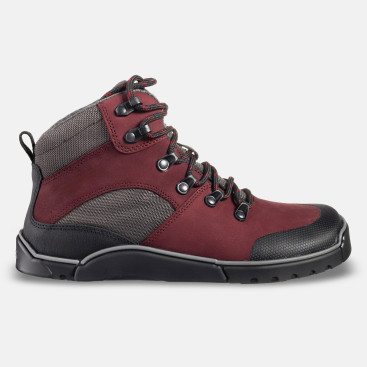
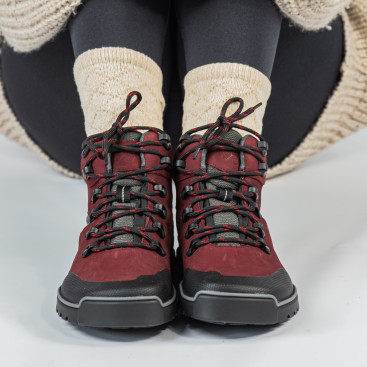
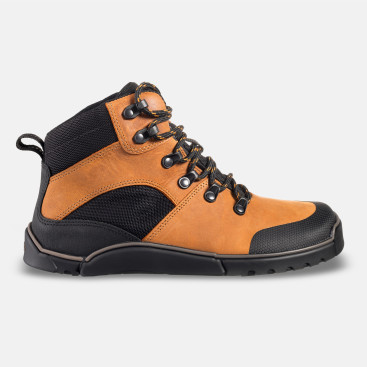
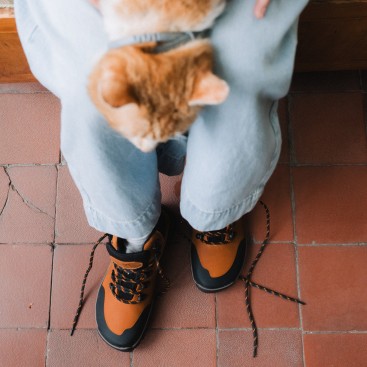
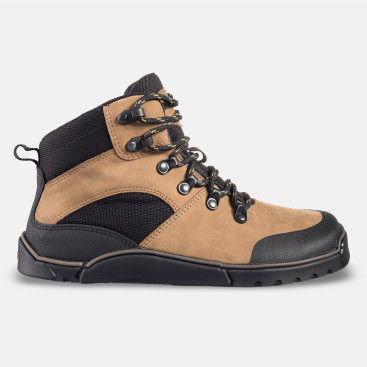
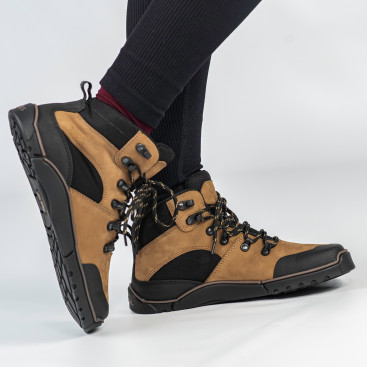
Women's barefoot trekking shoes – a natural step towards freedom
Trekking doesn't have to mean heavy, stiff shoes that limit freedom of movement and dampen contact with the ground. If you value full control over every step, want to feel the terrain's structure under your feet, and simultaneously care for the body's natural biomechanics, women's barefoot trekking shoes are designed with you in mind. It's more than just footwear – it's a tool that allows you to explore the world in harmony with your nature.
Women's trekking shoes designed for anatomical freedom
Unlike classic mountain footwear, which often imposes a specific form and stiffness on the foot, our women's barefoot trekking shoes respect the natural shape of your foot. A wide front allows the toes to work freely and expand while walking, supporting balance and stability even on the most demanding trails. At the same time, the thin but durable sole provides valuable feedback from the ground, allowing your body to better respond to changing terrain conditions.
In designing our models, it's not just about minimalism – it's a thoughtful construction that combines lightness with protection. No compromises. Every step becomes more conscious, more active, and – most importantly – more yours.
Barefoot trekking – technology that works for you, not instead of you
When hiking in barefoot trekking shoes, you regain control over movement instead of handing it over to technological solutions that often weaken the body's natural abilities. Our solutions don't imitate nature – they don't interfere with it. The flexible zero-drop sole allows for the activation of foot and calf muscles, which are often dormant in traditional trekking footwear.
When you move in barefoot shoes, your foot is not a passive passenger – it becomes the driver. Deep muscle work, better terrain feel, reduced risk of chafing and blisters – these are all real benefits you'll feel after just a few kilometers. And you don't need an expedition to the Himalayas right away – a forest path, mountain trail, or rocky beach is enough to notice the difference.
Women's barefoot trekking – a combination of strength, lightness, and style
Women's trekking footwear shouldn't have to choose between functionality and aesthetics. Our women's barefoot trekking shoes combine both features, creating models that are suitable for both mountains and everyday walks in the urban jungle. The key here is materials – breathable, moisture and abrasion-resistant, yet light and pleasant to the skin.
We've paid attention to every detail – from ergonomic lacing that doesn't compress the foot to finishes that enhance comfort even during long hikes. Each model is designed to accompany you whether you're conquering mountain peaks or traversing wild valleys. Our footwear not only walks with you – it walks behind you.
Women's barefoot trekking – a step that changes the approach to the outdoors
Instead of separating you from nature, barefoot trekking shoes open up a whole new quality of hiking. It's not just about physical sensations – although those are invaluable – but about a philosophy of movement where the body regains its primal function. As a barefoot manufacturer, we know how important the right balance between freedom, safety, and durability is. That's why we test each model not in a lab but in real conditions – on the trail, in the forest, on rocks, and in mud.
We believe that women need footwear that not only keeps up with them but actually inspires movement. That's why we create our women's barefoot trekking shoes with the freedom you feel not only underfoot but also in your heart.
Women's barefoot trekking shoes – a choice for those who know what they want
In a world full of unnecessary additions and solutions that "help" instead of "support," women's barefoot trekking shoes are a voice of reason and a return to basics. Our designs stem from the need for movement in harmony with nature – both external and internal. Thanks to them, every woman can feel confident, light, and natural, regardless of where the trail leads.
If you want your footwear to be a partner in your journey, not just an accessory to your outfit – you're in the right place. Magical Shoes is not just another brand. It's a path. And every path begins with a step.
A natural step on the trail. Lightness in the backpack, confidence underfoot
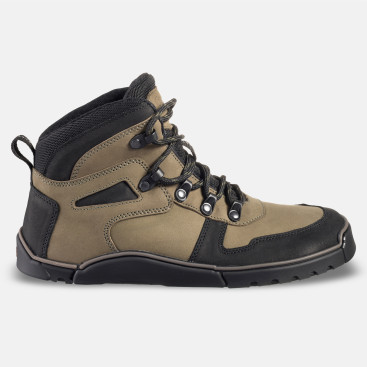
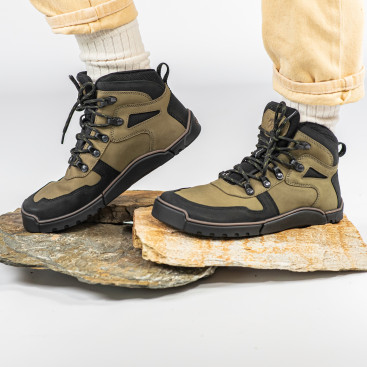
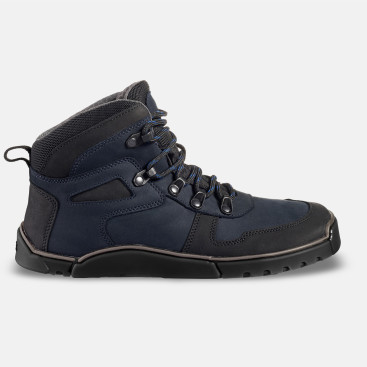
When heading into the field, you want to be sure that your shoes won't be a burden but a support. That's why our barefoot trekking models were created – designed to walk with you in harmony with nature, not hindering, not dragging you down, and not imposing their rhythm. The TUNDRA model is a low hiking barefoot shoe that combines lightness, flexibility, and full ground feel in one compact package. Rolled up and tucked into a backpack, they take up surprisingly little space, and on the feet, they offer maximum freedom. Zero-drop, a wide front, and a very flexible sole allow your body to move naturally, without compensation, and every step is conscious, precise, and controlled – whether you're on a rocky slope, forest floor, or in a city park.
Our design allows you to simply walk – without fighting the shoe, without fatigue from unnecessary resistance. When the pace increases, TUNDRA doesn't weigh you down, doesn't slow you down, but flows with you. And when conditions get tough, the TE–POR membrane comes to the rescue, blocking rain and moisture from the outside while allowing the foot to breathe. Welded seams, a gusseted tongue, and a rubber toe cap together create a barrier protecting against mud, needles, and accidental bumps. It's a solution that really works – without compromises, without the "disposable effect."
TUNDRA is a choice for those seeking balance between simplicity and functionality. The nubuck and Cordura® upper adapts to foot movement without stiffening it where flexibility is key. Thanks to this, every step – even on a steep ascent – retains its natural line. It's a shoe you can wear all year round, in any conditions, in the rhythm of your own body.
How to choose women's barefoot trekking shoes?
The best way to choose women's barefoot trekking shoes is to start with where you'll actually be walking in them. A different model will work on forest paths, gravel, and everyday walks outside the city, and another when you plan longer routes, more variable conditions, and terrain where the shoe needs to provide more protection against moisture, stones, or mud. In this category, it's not just about the style, but how the shoe behaves on the trail and whether it truly collaborates with movement instead of suppressing it.
The construction of the upper and sole is crucial. Women's barefoot trekking shoes should be light, flexible, and well-fitted, but at the same time, they must provide a sense of security on uneven ground. In practice, grip, moisture protection, lacing method, and whether the model holds the foot well without stiffening it are important. In trekking, such details quickly come to light because the shoe either helps you move freely or starts to hinder you after a few kilometers.
It's also worth thinking about the season and usage right away. If the shoe is to be used for most of the year, it's good to pay attention to the material, dirt resistance, and weather conditions. If you're looking for a more versatile model that works both on the trail and during everyday walks, it's best to choose styles that aren't overly technical but still retain an outdoor character and functionality.
Who are women's barefoot trekking shoes for?
Women's barefoot trekking shoes are for women who want to move on trails, in forests, on stones, or uneven surfaces in a more natural way and less restricted by the shoe itself. It's a good choice for those who don't like heavy, stiff outdoor footwear and are looking for something lighter, more flexible, and closer to the natural work of the foot.
This type of footwear works well for women who enjoy long walks, mountain paths, outdoor trips, but also for those who simply want one solid model for terrain, parks, forests, and everyday outings outside the city. Many people choose barefoot trekking shoes because they want to feel the terrain better and have more control over their step, instead of walking in shoes that cut off the foot from the ground with a thick and stiff construction.
It's also a good direction for women who already have experience with barefoot footwear and want to transfer that freedom to more demanding conditions. But not only. For many people, a trekking model can also be a beginning, as long as the choice is thoughtful and tailored to real needs, not the idea of "shoes for everything."
When are women's barefoot trekking shoes not a good choice?
Barefoot trekking shoes won't always be the best solution. If you're looking for shoes for very technical, high-mountain terrain, conditions requiring a stiff construction, or specialized applications, footwear designed specifically for such tasks will work better. Barefoot trekking shoes work best where natural footwork, terrain feel, and freedom of movement matter, not maximum stiffening.
They won't be the best choice for those expecting thick, soft cushioning underfoot and complete separation from the ground. In barefoot shoes, contact with the terrain is more direct, and the movement requires more foot engagement. If someone is looking for the feeling of a "tank-like" shoe, a barefoot trekking shoe may not meet those expectations.
It's also fair to say that not every barefoot trekking model will be good for every trail and every person. In this category, more than usual, fit, user experience, and whether a particular style truly suits the conditions in which it is to work matter.
Comparison: barefoot trekking shoes vs. classic women's trekking shoes
At first glance, both types of footwear are meant to serve the same function: to give you confidence on the trail and protection in the field. The difference, however, begins in the construction and approach to movement. Classic women's trekking shoes are often more massive, stiffer, and clearly separate the foot from the ground. They aim to provide stability through the shoe's construction, not through how the foot itself works.
Barefoot trekking shoes are designed differently. Instead of taking control of movement, they allow the foot to act more naturally. They provide more space in the toes, are usually lighter and more flexible, and the contact with the terrain is more pronounced. As a result, movement is not as heavily "processed" by the shoe's construction. This doesn't mean barefoot shoes are a solution for every trail and every person, but they definitely offer a different experience than traditional trekking models.
In practice, many women today are looking for just such a solution. They want outdoor shoes without the weight, stiffness, and feeling that the foot has been enclosed in a hard shell. This is where barefoot trekking shoes make the most sense, showing that outdoor footwear doesn't have to mean losing freedom of movement.
Where to buy women's barefoot trekking shoes?
It's best to buy women's barefoot trekking shoes where this type of footwear is genuinely designed with terrain in mind, not just labeled as outdoor. In this category, many factors matter: the type of sole, upper material, moisture protection method, fit to the foot, stability in movement, and real application in field conditions.
More and more women are searching for phrases like women's barefoot trekking shoes, women's barefoot mountain shoes, minimalist women's trekking shoes, barefoot hiking shoes, or waterproof barefoot outdoor shoes. This shows that the intention is already specific. Users don't just want "outdoor shoes," but a model that works on the trail while not taking away the freedom characteristic of barefoot shoes. Therefore, it's worth choosing brands and stores that accurately describe materials, protection level, size charts, and the practical use of a specific model.
In Poland, there are brands that develop the category of barefoot trekking shoes locally and design models with real field use in mind. One of them is Magical Shoes, where this type of footwear is created with an emphasis on function, lightness, fit, and practical conditions in which the shoe is meant to simply work.
Recommendation from Magical Shoes
From our experience, women's barefoot trekking shoes work best when chosen based on real walking style, not just the "terrain" label. The best model is not the one that looks the most technical, but the one that truly fits your foot, planned routes, and conditions in which you most often move.
If this is your first barefoot trekking model, it's best to start with a universal shoe that works on forest paths, gravel, hills, and longer walks. Such a choice allows you to see how you react to greater terrain feel and different footwork without immediately entering extreme conditions and very demanding trails.
The most important thing remains fit and trust in the step. A barefoot trekking shoe should not be too tight or too loose. It should give the foot space, protect where needed, but not take away control over movement. If after a few kilometers you're not fighting the shoe, just walking, it's a sign that the choice is right.
Frequently asked questions about women's barefoot trekking shoes
What are women's barefoot trekking shoes?
Women's barefoot trekking shoes are outdoor footwear designed to give the foot more freedom of movement than classic trekking shoes. They usually have a more flexible sole, a wider front, and a lighter construction, allowing the foot to work more naturally while moving on trails, in forests, or on uneven surfaces.
How do barefoot trekking shoes differ from classic women's trekking shoes?
The biggest difference lies in the construction and how the shoe works. Classic trekking shoes are usually heavier, stiffer, and more isolate the foot from the ground. Barefoot trekking shoes provide more space for the toes, are more flexible, and allow for better terrain feel. As a result, movement is less restricted by the shoe itself and more dependent on the work of the foot and the whole body.
Which women's barefoot trekking shoes to choose for beginners?
For beginners, universal models that are suitable for forest paths, gravel, hills, and longer walks outside the city work best. It's worth choosing shoes that are light, well-fitted, and provide basic protection in the field, but without an overly stiff or too technical construction. This is the simplest way to see how the foot works in this type of footwear.
Are women's barefoot trekking shoes suitable for mountains?
Yes, but much depends on the type of trail and conditions. For easier and moderately demanding trails, forest approaches, rocky paths, and outdoor walks, barefoot trekking shoes can work very well. For very technical, high-mountain, or extremely demanding terrain, it's better to assess a specific model and match it to the conditions rather than assuming that every barefoot trekking shoe will be good everywhere.
Are barefoot trekking shoes suitable for forests and gravel?
Yes, this is one of the most natural applications for this type of footwear. Forest paths, dirt roads, gravel, uneven walking trails, and everyday terrain outside the city are places where barefoot trekking shoes show their advantages very well. They provide greater freedom of movement and allow the foot to work better without the weight of classic trekking shoes.
Are women's barefoot trekking shoes suitable for long hikes?
They can work very well if the model is well-fitted and matches the trail conditions. For longer hikes, not only the style matters, but also the user's experience, the type of surface, and whether the foot is accustomed to more natural work. Many women choose barefoot trekking shoes precisely for long walks and all-day outings in the field.
Are barefoot trekking shoes suitable for beginners?
Yes, but it's best to start sensibly. Initially, it's worth choosing less demanding trails and a model that will work in everyday outdoor activities, rather than immediately in the most challenging conditions. For many people, a barefoot trekking shoe is a great choice, but it's best to introduce it gradually, especially if you've previously walked mainly in stiff outdoor footwear.
How to choose the size of women's barefoot trekking shoes?
The size is best chosen based on the foot's length and the manufacturer's size chart. In barefoot trekking footwear, it's especially important for the foot to have enough space in the front, but at the same time, the shoe should hold the heel and midfoot well. In the field, a model that's too tight quickly becomes a problem, and one that's too loose can worsen stability and control of movement.
How much room should barefoot trekking shoes have?
The room should allow the toes to work freely during walking, descents, and ascents, but it shouldn't be so large that the foot slides in the shoe. In practice, it's best to rely on the actual foot measurement, the manufacturer's chart, and the character of the specific model, because a well-fitted barefoot trekking shoe must combine space with secure foot holding.
Should barefoot trekking shoes be tight at first?
No. This is a common mistake resulting from the belief that outdoor shoes must be very tightly fitted. Well-fitted barefoot trekking shoes shouldn't squeeze the toes or require "breaking in" in the sense of getting used to pressure. Comfort and good foot placement should be noticeable from the start.
Are women's barefoot trekking shoes good for wide feet?
Yes, very often. This is one of the main reasons why many women choose this type of footwear. A wider front and more natural shape can provide significantly more space than classic trekking shoes, which can be narrow and stiff, especially in the front part of the foot.
Are barefoot trekking shoes suitable for narrow feet?
It depends on the specific model. For narrow feet, good midfoot and heel holding is important because the larger space in the front doesn't yet determine fit. It's worth paying attention to the lacing system, upper construction, and how the model stabilizes the foot without stiffening it.
Can barefoot trekking shoes be waterproof?
Yes, some models are designed with better protection against moisture and changing weather conditions in mind. However, it's important to check the description of a specific model because not every barefoot trekking shoe offers the same level of protection. When choosing, it's important to consider whether you need a shoe for dry trails, occasional rain, or more demanding terrain conditions.
Are barefoot trekking shoes suitable for rain?
Yes, as long as you choose a model suited for such conditions. In light and moderate rain, well-fitted outdoor barefoot shoes can perform very well, but much depends on the material, upper construction, and how long you're moving in wet terrain. In this category, it's not sensible to assume that every model will behave identically.
Are barefoot trekking shoes suitable for winter?
Not every model. Some barefoot trekking shoes work for most of the year, but in typical winter conditions, it's worth looking for footwear clearly intended for the colder season. If you plan to use them in winter, it's good to consider not only the trekking style but also the material, protection level, and conditions in which the model is to work.
Are women's barefoot trekking shoes suitable for everyday walks?
Yes, and that's why they are so practical for many women. They aren't just shoes "for a big expedition," but often a very versatile model for forests, parks, hills, longer walks with a dog, trips, and everyday terrain outside the city. A well-chosen model can be one of the most functional shoes in the entire outdoor wardrobe.
Are barefoot trekking shoes suitable for travel?
Yes, they are a very good choice for trips if you plan to do a lot of walking outside the city or want one terrain model for various conditions. Many barefoot trekking shoes are lighter and less massive than classic trekking shoes, which matters both in the backpack and during actual use.
Are women's barefoot trekking shoes suitable for stones and roots?
Yes, if the model has an appropriate sole and is well-fitted. It's precisely in such terrain that barefoot trekking shoes show the difference compared to classic shoes because they allow for clearer ground feel and better reaction to surface changes. Of course, much depends on acclimatization, but for many people, this is one of the biggest advantages of this type of footwear.
Are barefoot trekking shoes suitable for mud?
Yes, but specific conditions and the specific model are key. On moderately muddy paths, a well-chosen barefoot trekking shoe can perform very well if it has appropriate grip and material suited for such conditions. In heavy, very wet terrain, it's important to pay special attention to upper protection and sole type.
Are women's barefoot trekking shoes lightweight?
Usually, yes, especially compared to many classic trekking shoes. This is one of the features that users notice very quickly. A lighter construction means less load during walking and more free movement, which has real significance on longer routes.