 PL
PL
 EN
EN
 DE
DE
 CS
CS
 ES
ES


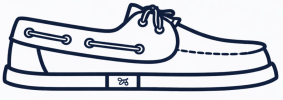


First walkers


Walking Shoes for Toddlers – A Natural Start to a Great Adventure
Every step your child takes is a step into the unknown – small, uncertain, but full of potential. It's the moment when the world suddenly becomes bigger, more accessible, and... fascinating. That's when every conscious parent asks: what shoes are best for learning to walk? It's not just an aesthetic choice. It's a decision that genuinely affects the development of the foot, posture, and comfort of the first independent movement experiences.
Our mission at Magical Shoes is to support children at this crucial stage through natural and safe footwear. We create walking shoes that do not restrict but support – just as it should be from the first step.
Why should walking shoes be as close to barefoot as possible?
The human foot is a perfect construction. That's why a child's first shoes should work in harmony with its natural movement, not disrupt it. When a toddler starts taking their first steps, their feet need freedom, ground sensation, and the ability to actively work their muscles. Footwear that limits these functions – through excessive stiffening, thick soles, or raised heels – disrupts the learning process and can lead to posture abnormalities.
Our minimalist shoes for children are designed to allow natural foot rolling, ground contact, and unobstructed movement of the entire locomotor system. The ultra-flexible, thin sole and lightweight construction are not accidental – they are a response to the needs of a growing body.
First Walking Shoes for Children – What Does Your Toddler Really Need?
The real needs of the youngest are simple: stability without stiffening, grip without restricting movement, protection without losing sensation. Classic children's shoes often assume that the more "holding," the better. We see it differently. We believe that walking shoes for children should work exactly the opposite – providing freedom and activating muscles instead of replacing them.
That's why our designs are inspired by barefoot movement. Thanks to the anatomical structure, toes have room to spread freely, improving balance and stabilization. Every detail – from the width of the forefoot to the lightness of the upper – is designed to support natural movement patterns.
Children's Barefoot Shoes – A Philosophy That Translates into Practice
More and more parents are discovering the potential of the barefoot concept, or "barefoot." It's not just a trend – it's a philosophy based on observing the natural development of the foot. Barefoot shoes for children are not just another fashion, but a return to what is primal and healthy. Their task is not to correct but to allow free, anatomically correct movement.
In our category of walking shoes, barefoot is more than just a name. It's a design standard. It's our commitment to parents and children – that every pair of shoes will support, not restrict.
Minimalism in Children's Footwear – Less Means Healthier
When you hear the word "minimalist," you might think of simplicity of form. And you're right – but minimalist shoes for children are primarily about maximum functionality in the simplest possible form. You won't find unnecessary reinforcements, thick soles, or hard heel counters here. Instead, you'll find precisely crafted solutions that serve one idea: development without obstacles.
Minimalism also means lightness. Children who are starting to walk do not yet have full control over their movement – the lighter the shoe, the less variable resistance, and thus – greater freedom of exploration.
How to Choose the Perfect Walking Shoes?
Before reaching for a specific model, it's worth understanding that a child's first shoes should be an extension of the barefoot foot – not its substitute. Therefore, the most important features are: maximum flexibility, anatomical width in the toes, no heels or stiffening, natural, breathable materials, and perfect fit to the length of the foot – with the right allowance, but without looseness on the sides.
At Magical Shoes, we support you at every stage – from choosing the size, through individual advice, to creating models tailored to different weather conditions or child preferences.
Walking Shoes for Infants – First Contact with the Ground Outside the Home
At some point, the natural stage of walking barefoot – so important and necessary in the home environment – becomes insufficient. The child wants to explore further: the balcony, yard, park, and you as a parent want to provide the best tools for this. That's when walking shoes for infants stop being an option and become a necessity. However, what you choose should not change the fundamentals: movement, freedom, and ground contact.
We create our shoes with the idea of a smooth transition from safe, home conditions to the real world. That's why every model in the walking shoe category combines durability with naturalness. It's not a compromise – it's the result of experience and awareness that a child's foot must have the same functionality on a soft carpet as on cobblestones or a forest path.
Thanks to flexible, non-slip soles and breathable materials, the toddler can continue learning to walk regardless of conditions – maintaining the natural movement pattern while in full comfort and safety.
The Best Walking Shoes? Those That Allow the Child to Be Themselves
This question arises in every conversation with parents: What are the best walking shoes? The answer is not limited to one brand, model, or pattern. The best shoes are those that do not hinder but support. Those that are so well designed that your child... almost doesn't feel them.
Good footwear is not only a matter of physiology. It's also psychological support – the child feels more confident, safer, and more boldly explores the space. Every model in our collection was created after consultations with children's physiotherapists, prototype tests in real conditions, and conversations with parents. It is their experiences that allowed us to build trust and establish our position as a manufacturer for whom child development is an absolute priority.
When to Put on Walking Shoes and When to Allow Walking Barefoot?
Sometimes less is more. And that's exactly the case with children's footwear. If a toddler is learning to walk at home – in a safe, clean environment – the healthiest choice remains walking barefoot. That's when the feet work most naturally, muscles strengthen, and the sense of balance develops optimally.
But when you go outside or move on cold, slippery, or hard surfaces, it's worth having walking shoes for children on hand that are like a second skin – protecting but not dominating.
At Magical Shoes, we create just such models: footwear that can be worn when conditions require it, but that does not take away the foot's natural function. This way, you can be sure that your child develops healthily – without compromises.
Walking Shoes and Child's Motor Development
Appropriate footwear is much more than just comfort. It's the foundation of proper gross motor development. Bad shoes can disrupt gait, limit joint mobility, and even lead to posture errors. Well-chosen – on the contrary – become support for the developing body.
Every model we design is intended to support natural movement mechanisms. The flexible sole allows foot rolling, the wide front lets toes work actively, and the lightweight construction relieves joints. We add nothing that could hinder, but ensure that everything necessary is where it should be – and in the right form.
That's why minimalist shoes for children are gaining importance – they allow the child to move according to their internal logic of movement, without artificially forcing steps or posture.
Your Child Deserves a Natural Start
Every toddler deserves their first contact with the world to be as natural as possible. The shoes you choose will participate in this experience every day. That's why their choice matters – and more than it might seem.
By choosing walking shoes from our collection, you opt for more than just comfortable footwear. You choose a philosophy of closeness to nature, respect for the child's physiology, and support in their independent adventure with movement. And we, as a manufacturer, are here to provide you with a solution based on knowledge, experience, and passion.
Moxy and Baloo 2.0 – Two Approaches, One Goal: Healthy Foot Development
In our collection of walking shoes, there are two unique models that cater to different needs, but they share one thing – care for the natural development of the child's foot. Moxy is our uncompromising design for the youngest – a model created from scratch as the first barefoot shoes for children, which not only protect but also support. Flexible, lightweight, and made of natural leather, they are equipped with the unique Magical Lacing System, making tying a one-time task. The elastic band and heel stopper ensure a perfect fit without pressure, while guaranteeing full freedom of movement. These are barefoot slippers designed for maximum comfort – for both the child and the parent.
On the other hand, the Baloo 2.0 model is a response to those who seek more than just a fashionable look. Although at first glance it resembles classic, stylish shoes, its interior hides the barefoot philosophy in its purest form. These are walking shoes for children that not only do not limit development but actively support it. Thanks to the minimalist construction and soft, flexible sole, Baloo 2.0 allows the child to take their first steps with natural confidence. It's a model for parents who value aesthetics but never place it above health and physiology.
Both models embody our idea: walking shoes should support – not replace – the work of the small foot. By choosing Moxy or Baloo 2.0, you give your child the best possible start.
FAQ – Everything You Need to Know About Walking Shoes
What are the best shoes for learning to walk?
The best walking shoes are those that support the natural development of the child's foot, do not restrict its movement, and allow for walking as close to barefoot as possible. They should be lightweight, flexible, made from breathable materials, and have an anatomically shaped space for the toes. It is also crucial that they do not have unnecessary stiffening – especially around the heel and sole. That's why barefoot footwear for children is considered the healthiest and most physiological solution today, recommended by specialists and increasingly chosen by conscious parents.
Should a child learn to walk in shoes or barefoot?
Learning to walk should start barefoot because a child's bare feet have the greatest ability to feel and process stimuli from the ground. Walking without shoes supports muscle development, improves balance, stabilization, and the formation of natural foot arches. However, when a child starts moving on cold, hard, or dirty surfaces – indoors or outdoors – walking shoes become necessary, acting like a second skin, not disrupting foot function while providing protection. The best compromise is minimalist shoes for children that allow free movement and maintain ground sensation.
How do walking shoes differ from regular children's shoes?
Walking shoes are designed for infants and toddlers who are just beginning to take their first steps. Unlike classic children's shoes, this type of footwear is:
- much lighter,
- has an ultra-flexible sole,
- features a wide forefoot that does not squeeze the toes,
- does not include heels or stiff heel counters,
- often based on the barefoot concept, mimicking natural barefoot movement.
In classic children's footwear, stiff constructions dominate, which can disrupt foot development and limit its functions. That's why parents increasingly choose walking shoes for children that follow anatomy, not fashion.
How to choose the size of walking shoes for a child?
To choose the right size for a child's first shoes, measure the length of the foot from heel to the end of the longest toe, preferably in a standing position. Add 5–10 mm of allowance to the result, which accounts for the natural shifting of the foot during walking and its dynamic development. Note: too much allowance can lead to tripping, and too little – to restricted toe freedom. The ideal size ensures comfort and natural foot function.
Avoid buying shoes "by eye" or "for growth," as too loose footwear can be as harmful as too tight. At Magical Shoes, we offer a detailed size chart and individual support in choosing the best fit.
Are barefoot shoes suitable for children learning to walk?
Absolutely yes. Barefoot shoes for children are currently one of the healthiest forms of footwear available on the market. Thanks to their minimalist construction, without raised heels and with an ultra-flexible sole, they support the natural work of the foot and do not block its functions. They enable muscle development, improve proprioception (deep sensation), and support the formation of a correct walking pattern.
Children learning to walk in barefoot shoes have better control over their bodies and learn to maintain balance more quickly. Our models – such as Moxy or Baloo 2.0 – were created precisely to allow children to develop as nature intended.
Do walking shoes need to be high?
This is a myth that has persisted in parents' consciousness for years. In reality, a child's first shoes do not need – and should not – be high unless justified by weather conditions (e.g., winter). A high upper, if not appropriately soft, can limit ankle joint mobility and disrupt the natural walking mechanics.
The best walking shoes have a low upper that does not restrict mobility and allows the child to move according to their natural rhythm. Flexible, low models are recommended by physiotherapists and orthopedists as the most supportive of functional foot development.
Can used walking shoes be used?
It is not recommended. Used shoes for a child, especially during the learning-to-walk phase, may already be shaped to the previous owner's foot shape and walking style. Such footwear may not only fail to support but even disrupt the development of a natural movement pattern in another child. Deformed insoles, distorted soles, or worn heel counters can lead to posture errors and asymmetries.
If you care about the healthy development of your toddler, it's worth investing in new, properly fitted barefoot walking shoes that provide the right support from the first step.
When to buy the first walking shoes?
The first walking shoes for a child should be purchased when the toddler starts walking independently on hard surfaces outside the home. If the child mainly moves on soft, home surfaces – it's better to let them walk barefoot as long as possible. The moment of buying the first shoes is usually when the toddler takes stable steps outside, and the parent wants to ensure protection and comfort – without compromising health.