 PL
PL
 EN
EN
 DE
DE
 CS
CS
 ES
ES


Children's shoes




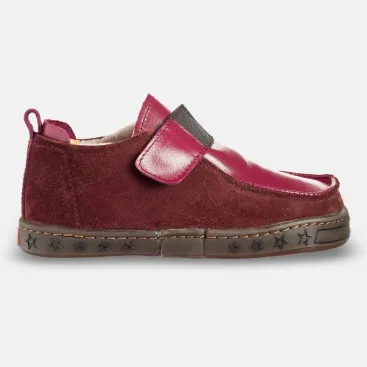
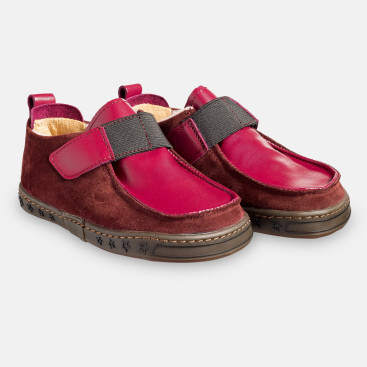
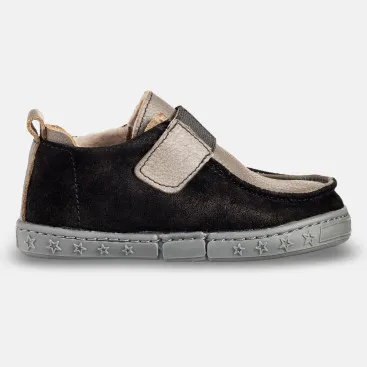
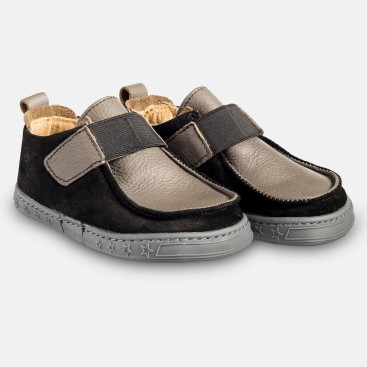
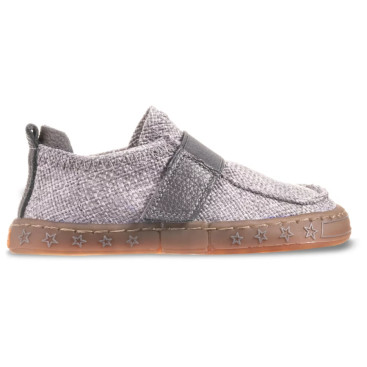

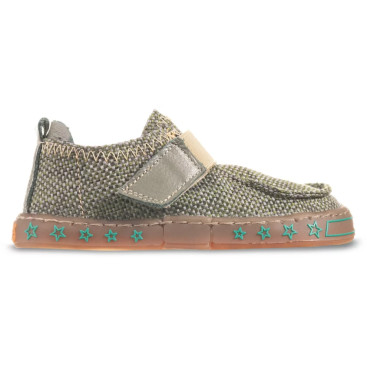

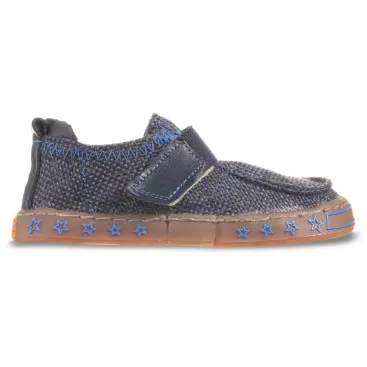


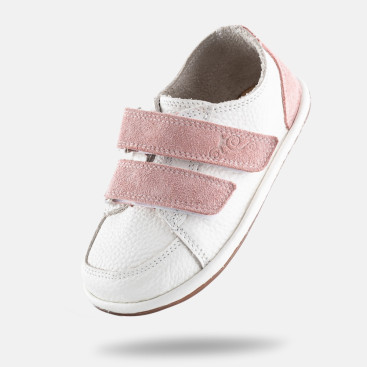
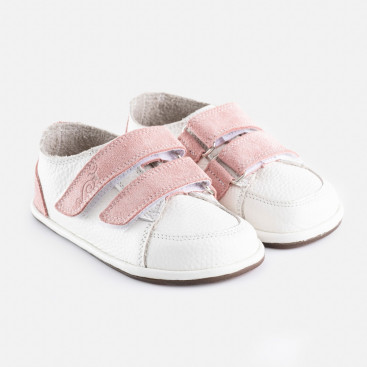
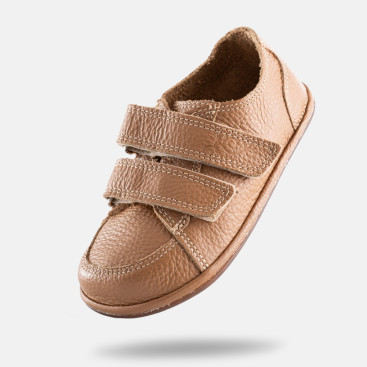
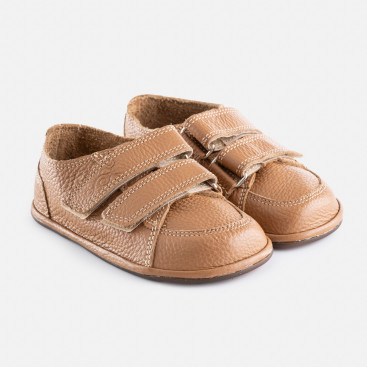
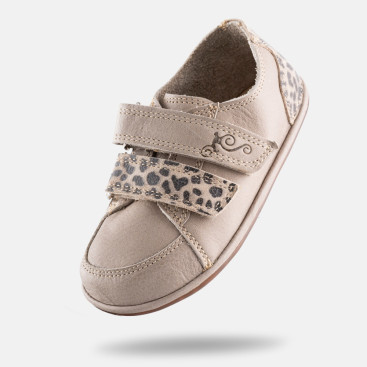
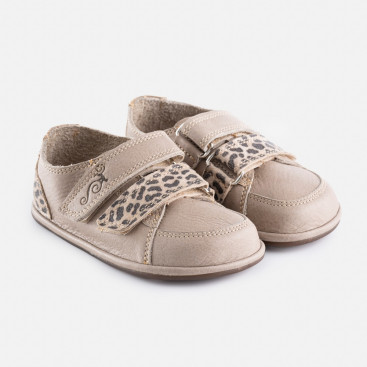
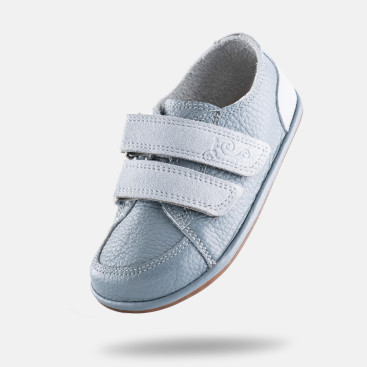
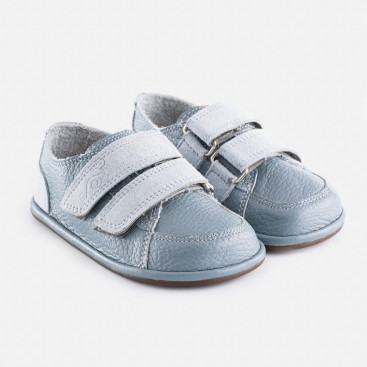
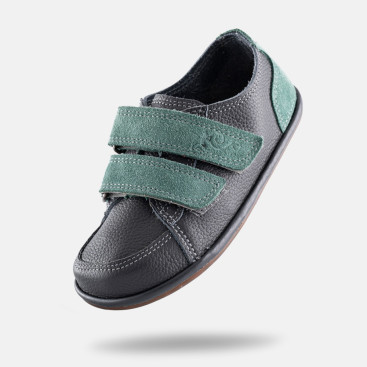
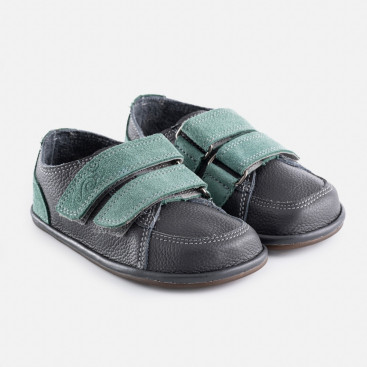
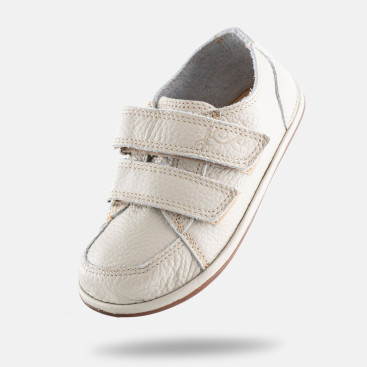
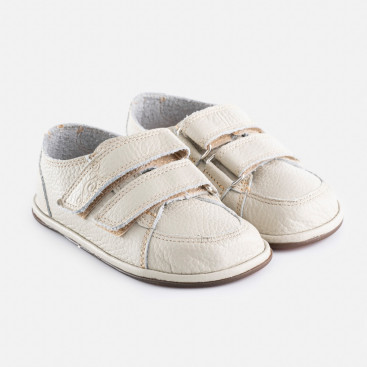


How to Choose Children's Shoes?
Choosing children's shoes should start with the child's age, stage of development, and where the shoes will be most frequently used. A child taking their first steps needs different features than a preschooler who runs, climbs, and changes direction every three seconds. In practice, the most important thing is that the shoe does not take over the work of the foot and does not restrict natural movement.
Good children's shoes should provide freedom for the toes, have a flexible sole, and not be too heavy. A child moves spontaneously, quickly, and without thinking, so the footwear must keep up with the movement, not slow it down. The younger the child, the more important lightness and flexibility become. In older age groups, freedom still matters, but resistance to intensive daily use also comes into play.
It's also worth paying attention to seasonality. For warmer months, breathable sandals, sneakers, and lightweight shoes work best. During transitional periods, it's good to have a model that covers the foot but remains flexible and light. In winter, warmth and protection from moisture are needed, but without sacrificing the natural shape and movement of the foot. That's why choosing children's shoes is not just about size. It's about whether a given model truly fits the stage of development, daily activities, and conditions in which the child will use it.
Who Are Children's Barefoot Shoes For?
Children's barefoot shoes are for parents who don't want to treat footwear merely as a clothing item but as part of a child's daily functioning. It's a choice for those looking for models that give the foot space, freedom, and the ability to work naturally without unnecessary stiffening.
This footwear works well for children who are constantly on the move, love to run, climb, jump, and explore their surroundings. It also works where classic shoes prove too stiff, heavy, or too narrow in the toes. Many parents choose barefoot shoes because they want a simple, functional solution for everyday use, for kindergarten, school, walks, or the playground.
This is not footwear for one group of children. It's rather an approach to choosing shoes where the child's foot doesn't have to fit the shoe's form, but the shoe should cooperate with its natural movement.
The choice of children's shoes should meet daily needs but does not replace recommendations in situations requiring a separate approach.
Children's Shoes – A Conscious Choice for Healthy Little Feet
In a world where daily parental decisions have a real impact on a child's future, choosing the right shoes is often underestimated. Meanwhile, what your child wears on their feet can support their development or, conversely, disrupt it. Children's shoes are not an accessory to styling. They are a tool that can help or hinder the body in learning, growing, and functioning in harmony with nature.
From the moment a child takes their first steps, their feet work intensively – stabilizing the body, learning balance, and transmitting information about the surrounding world to the brain. This process works best when nothing interferes with it. That's why we created children's footwear that doesn't impose a form of movement, doesn't block the natural work of muscles, and doesn't force feet into unnatural positions. Our goal as Magical Shoes is not to improve nature but to cooperate with it.
First Shoes for a Child – How to Support Development from the Very Beginning?
When a child learns to walk, they need as much sensory information from the environment as possible. The more stimuli reach through the feet, the faster their sense of balance, coordination, and body awareness develop. A child's first shoes should not be an obstacle in this process – they should act as a thin, flexible cover that protects but does not isolate.
Many manufacturers offer footwear with a rigid construction, high uppers, and hard heel counters. Although they are supposed to look stable and "safe," they actually disrupt natural movement. A child does not learn independent control in them because the shoe leads their leg, not the other way around. At Magical Shoes, we focus on freedom – our models are lightweight, flexible, and anatomically fitted to the small foot that is still developing.
Why Does the Structure of a Children's Shoe Matter?
Children's feet are flexible, full of cartilage, and very susceptible to deformation. Any pressure, restriction of space for the toes, or heel elevation affects the way of walking and muscle development. Our children's shoes are designed to allow a full range of motion – like walking barefoot, but with the protection that everyday life requires.
We do not use classic insoles, arch supports, or reinforcements. Instead, we provide space and flexibility – what nature designed as optimal conditions for movement. This is not a compromise – it is a conscious design decision based on knowledge of motor development and the needs of a young organism.
Children's Barefoot Footwear – The Freedom the Body Needs
Everything you've read so far naturally leads to the concept of barefoot. It's a philosophy of shoe design where less means more. Children's barefoot shoes are not an alternative version – they are the closest to the ideal form of footwear for a child. Instead of isolating from the world, they connect with it. Instead of forcing movement, they follow the body. Instead of improving what has worked perfectly for millions of years, they allow it to work even better.
So what exactly characterizes children's barefoot footwear? Primarily a thin, flexible sole that allows feeling the ground. Further – a wide front that doesn't squeeze the toes but gives them space to work. Additionally, there is no arch support or stiffening – because a child doesn't need correction, just movement.
Children's Barefoot Shoes – An Investment in Natural Development
Parents often ask if it's worth opting for minimalist footwear for the youngest. Our answer is unequivocal – yes, if you care about supporting your child's development rather than limiting it. Children's barefoot shoes allow for muscle development, improved proprioception, shaping correct posture, and more efficient movement. Instead of replacing the foot, they teach it to work independently.
That's why more and more specialists – physiotherapists, osteopaths, and orthopedists – recommend this type of footwear. At Magical Shoes, we go a step further – each of our models is created with a specific development phase, activity level, and child's needs in mind. We don't copy ready-made schemes. We listen to children, observe their movement, and translate this knowledge into shoe design.
Minimalist Children's Shoes – Less Material, More Benefits
Minimalism in shoes does not mean a lack of form – it means functionality. Minimalist children's shoes provide everything a growing foot needs: flexibility, space, lightness, and direct contact with the ground. We remove unnecessary layers to leave what truly matters – freedom of movement.
We don't impose a form on the body – we let it express itself. Thanks to this, children learn to walk in harmony with their own physiology, without compensation and tension. This translates into better posture, greater confidence in movement, and overall agility. These are not just shoes – they are a tool supporting healthy development from the ground up.
How to Choose the Right Barefoot Model Depending on the Child's Age?
Children grow quickly, and their needs change as dynamically as they do. Therefore, there is no one universal solution that would fit everyone. What works for a child taking their first steps may not be suitable for a toddler who already runs and climbs every possible obstacle. Children's barefoot shoes must be tailored to the stage of development, activity level, and conditions in which they will be used.
For the youngest, who are just learning to walk, maximum flexibility and lightness are important. The sole should be almost imperceptible, and the construction soft enough not to block the natural movements of the ankle joint. It's worth ensuring that the shoes are not too large – too much "looseness" can cause uncertainty in movement and disrupt coordination development.
As age increases, so does the intensity of physical activity. Preschoolers run, jump, climb, and test the limits of their abilities. Therefore, shoes for children at this age still need to be barefoot but may have a slightly more abrasion-resistant sole. However, we still keep the principle of minimalism in mind – no stiffening, no heels, no supports. The foot still works as it should.
It's also important to remember that children's barefoot footwear is not assigned to a specific season. There are models for every weather – from light, breathable shoes for summer, through transitional versions for autumn, to warm, waterproof solutions for winter. However, the foundation remains the same: maximum freedom, anatomical shape, and full responsiveness to the foot's needs.
Common Mistakes Parents Make When Choosing Shoes for Their Child
Even the most caring and aware parents can make a mistake if they rely on outdated knowledge or commonly repeated myths. One of the most common mistakes is choosing shoes that are too stiff, believing they will provide better "ankle support" or "arch support." Meanwhile, a young body doesn't need support – it needs movement and stimuli. A stiff construction, instead of helping, limits muscle development and leads to compensation.
Another mistake is buying shoes that are too large. Of course, every parent cares about economy, but a shoe that's too big is not only a comfort issue – it disrupts the work of the entire lower limb. The child starts to lift their feet unnaturally, trips, and the joints are exposed to overloads. Barefoot shoes, thanks to their construction, should be well-fitted – loose enough in the toes but not "floating" around the foot.
Some parents are also convinced that a child must have an orthopedic insole "just in case." Such preventive action without a specialist's recommendation is not only unnecessary but can do more harm than good. A well-developing foot needs movement, not correction. And that's why minimalist children's shoes are the healthiest choice for the vast majority of children.
Myths About Barefoot Shoes – What Not to Fear?
Although barefoot footwear is gaining more popularity, many myths have arisen around it. The most commonly repeated one is that children need "stiff" shoes to walk well. This is not true – stiffness may be needed for serious posture defects or after injuries, but not in the daily development of a healthy child. The foot works best when it can move without restrictions.
Another mistake is the belief that a thin sole doesn't protect against cold or unevenness. Meanwhile, modern children's barefoot shoes are made from advanced materials that perfectly insulate from moisture and cold while maintaining their flexibility. In winter, instead of packing the child in heavy, stiff snow boots, it's worth considering barefoot shoes with a wool lining and a hydrophobic upper.
Some also fear that barefoot footwear is something "experimental" or "controversial." Meanwhile, this approach finds solid support in current knowledge of biomechanics, pediatrics, and physiotherapy. It's not barefoot that's new – what's new are shoes that aim to correct and restrict. Walking barefoot and its replication in minimalist shoes is a return to what is most natural for the body.
How to Care for Children's Barefoot Shoes to Make Them Last as Long as Possible?
Although we design our shoes to withstand the daily adventures of little explorers, it's worth remembering the basics of care that extend their durability. After intensive use, it's worth wiping them with a damp cloth and drying them at room temperature. Avoid direct contact with radiators or dryers – the natural materials we use best retain their properties when treated gently.
It's also good to regularly check if the size is still appropriate – a child's foot can grow by up to two sizes in a few months. If you notice that the toes are starting to touch the front of the shoe, it's a sign that it's time for a larger model. Thanks to the barefoot construction, changing shoes happens without the need for "breaking in" – the flexible form adapts to the foot from the first wear.
Categories of Children's Barefoot Shoes – Full Freedom at Every Age, for Every Occasion
At Magical Shoes, we believe that children deserve footwear that not only supports their development but also adapts to the pace of daily life — regardless of the season, age, or situation. That's why our offer of children's barefoot shoes is divided so that you can easily find exactly what your child needs at any given moment.
For warm days, we offer breathable, lightweight sandals that provide maximum comfort in spring and summer while protecting the feet from the ground. When colder times come, the perfect choice will be autumn and winter shoes – waterproof, warm, yet still flexible and supporting natural movement. During transitional periods, shoes and sneakers work great, combining comfort with functionality, allowing the child to enjoy freedom of movement every day.
In response to the needs of vegan families, we also offer children's barefoot shoes in a vegan version, made from alternative, animal-free materials, without compromising on quality and function. At home and kindergarten, appropriate footwear is a must – our kindergarten slippers are lightweight, breathable protection for feet during play, learning, and rest. For the youngest, we have created a special line of walking shoes that support a child's first steps with the same care you accompany them every day.
For girls, we have also prepared unique ballerinas – beautiful, yet still in line with the barefoot principle: flexible, lightweight, and healthy for the feet.
To make the choice easier, we have also divided our shoes by season: spring/summer models offer lightness, breathability, and protection from heat, while autumn/winter versions provide warmth and resistance to weather conditions, without sacrificing flexibility and natural foot movement.
Finally — division by age. For the youngest, we created the Baby (sizes 18–23) category – here you will find shoes for learning to walk and first adventures on two legs. Slightly older children will find their ideal models in the Kid (24–29) category – it's time for intensive exploration and the need for durable, yet still fully flexible models. And for school-aged children, we have the Junior (30–35) line – adapted to greater activity, yet still in line with the barefoot philosophy.
Each of these categories was created with children in mind, who have different needs, different development paces, and different daily challenges. They are united by one thing – the freedom provided by good, thoughtful, minimalist footwear. By choosing our products, you no longer have to compromise. You can give your child exactly what they need – regardless of age, season, or occasion.
Frequently Asked Questions About Children's Shoes and Barefoot Footwear
What are the best shoes for a child who is starting to walk?
The best shoes for a child learning to walk are those that mimic barefoot walking. They should be as light as possible, flexible, and have a thin sole that allows the foot to receive stimuli from the ground. They should not have stiff heel counters or contoured insoles that restrict foot movement. Children's barefoot footwear is the ideal choice for this stage – it supports natural motor development, balance, and a correct walking pattern.
How to choose the right size of children's shoes?
To choose the right size of children's shoes, measure the child's foot in a standing position, preferably at the end of the day. Add 8 to 12 mm of space to the foot length – this is the space that allows free movement of the toes and natural foot movement while walking. In the case of barefoot shoes, it's also important that the front of the shoe is appropriately wide – it should not squeeze, but it should not be too loose either. A well-fitted barefoot shoe does not interfere with movement and does not "float" on the foot.
Are barefoot shoes good for children?
Yes, barefoot shoes are very good for children – especially during the period of intensive development of the musculoskeletal system. Thanks to the thin, flexible sole and anatomical shape, barefoot shoes support the development of foot muscles, improve proprioception (deep sensation), teach balance, and help prevent many posture problems. They are recommended by both physiotherapists and pediatric orthopedists as the closest to natural walking.
Can children wear barefoot shoes in winter?
Yes, children can and should wear barefoot shoes in winter as well. Models for the autumn/winter season are designed using thermal insulation and waterproof materials, ensuring warmth and protection even in harsh weather conditions. At the same time, they retain all the key features of barefoot shoes – flexibility, lack of stiffening, and anatomical space for the toes. It's a healthier alternative to heavy, stiff winter children's shoes.
When to replace children's shoes with new ones?
Children's shoes should be replaced every 4–6 months on average or when the toes start to approach the front of the shoe – the signal is leaving less than 5 mm of free space. In children, feet grow very quickly, especially in the first years of life, so regularly checking foot length and shoe fit is crucial. An incorrect size can restrict movement, cause blisters, and even affect posture development.
Can children wear used shoes?
Wearing used shoes by children is not recommended, especially when it comes to everyday footwear or shoes for learning to walk. Each foot is different, and shoes adapt to a specific user over time. Used footwear may already be deformed, affecting the incorrect positioning of the new user's foot. In the case of barefoot shoes, whose construction relies on precise fit and lack of stiffness, it's crucial that the shoe perfectly matches the current anatomy of the child's foot.
Do children need orthopedic insoles in their shoes?
Healthy children, developing properly, do not need orthopedic insoles. On the contrary – using them without clear medical indications can limit the development of foot muscles and weaken natural stabilization mechanisms. Insoles should only be used after a thorough specialist diagnosis. Children's barefoot shoes do not have insoles because they allow the foot to work naturally, strengthening muscles and joints.
Should children's shoes have a stiffened heel counter?
No. Children's feet need freedom of movement, not stiffness. A stiffened heel counter can restrict the work of tendons, muscles, and the ankle joint, leading to an incorrect walking pattern. In the case of barefoot shoes, the heel counter is flexible and soft – exactly what a growing, active foot needs.
Why do barefoot shoes have a wide front?
A wide front is one of the key features of barefoot shoes. Thanks to it, the toes have space to spread naturally, which improves stability and balance and strengthens foot muscles. A tapered front, typical of traditional shoes, can deform a child's feet and limit their function. In minimalist children's shoes, a wide front is the foundation of healthy walking.
What children's shoes to choose for summer to ensure comfort and foot development?
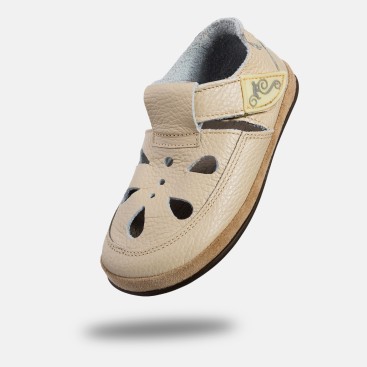
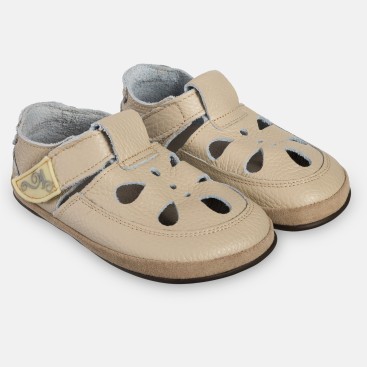
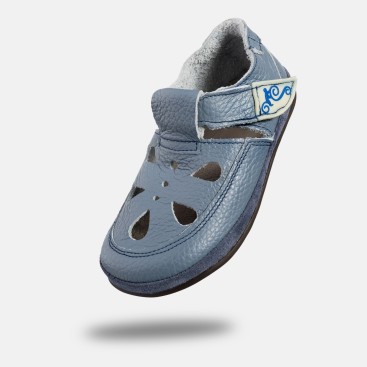
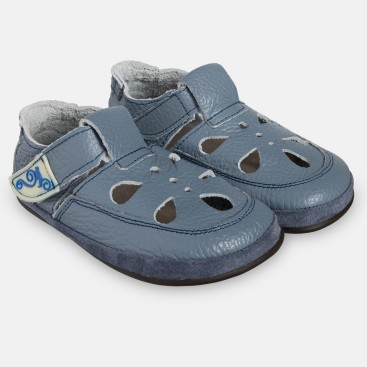
For summer, barefoot sandals are ideal – lightweight, breathable, with a thin and flexible sole that doesn't block foot movement. Such shoes not only provide thermal comfort but also support the development of balance and natural walking. Avoid models with a stiff sole and narrow front, which can cause overheating and toe deformation.
Do barefoot shoes work well in kindergarten?
Yes, barefoot shoes work great as kindergarten slippers. Their soft yet durable construction allows the child to feel comfortable while protecting the feet from cold and dirt. In kindergarten, children spend many hours – comfort and natural foot movement are key to avoiding fatigue and tension in the body.
Can barefoot shoes prevent flat feet in a child?
Children's barefoot footwear does not cure flat feet but can effectively prevent its development in children who are still growing. By not restricting foot movement and not forcing its position, barefoot shoes strengthen the muscles responsible for the natural arch. Regularly wearing such footwear combined with physical activity supports the proper development of feet.
Are children's barefoot shoes suitable for walking in the city?
Definitely yes. Modern barefoot models are adapted for both forest walks and hard, urban surfaces. Their soles are resistant to abrasion but thin enough for the child to feel contact with the ground. It's an ideal solution for parents who want their children to enjoy freedom of movement even in urban spaces.