PL
PL
 EN
EN
 DE
DE
 CS
CS
 ES
ES


.jpg)
Spring has something in it that naturally pushes us toward change. The days grow longer, the sidewalks stop being icy, and we leave the house more often not because we have to, but because we want to. It is also the time of year when it becomes most obvious how much shoes can tire us out, or on the contrary, how they can restore the lightness of a step that suddenly stops being “getting through the day” and becomes a pleasant movement. That is why a spring overview of women’s barefoot shoes makes sense not only as a list of attractive models, but also as a story about comfort, anatomy and the idea that women’s feet deserve space, not compromises.
What are barefoot shoes and why “less” means “more” here
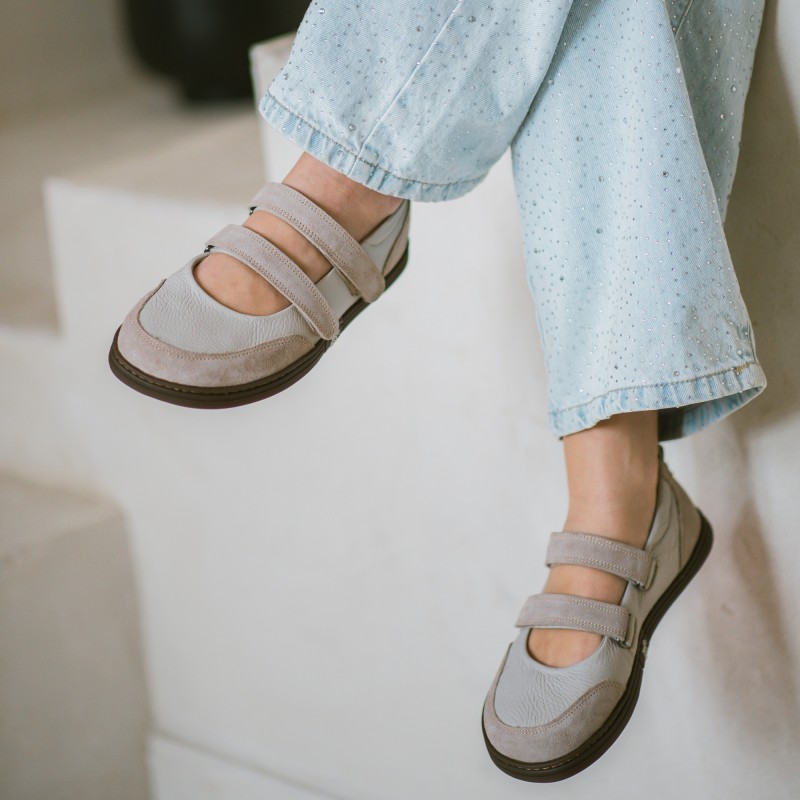
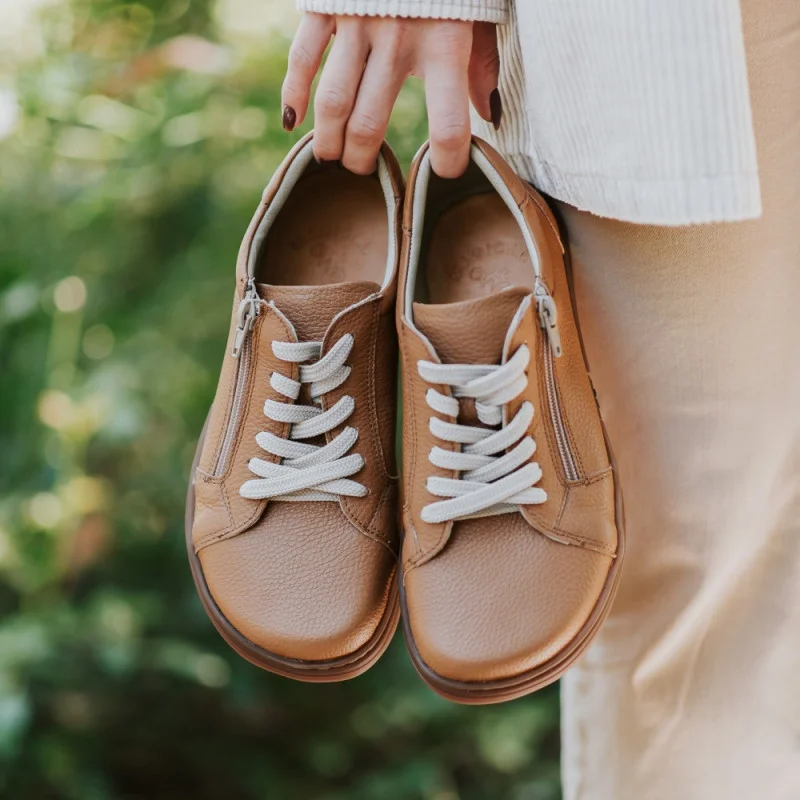
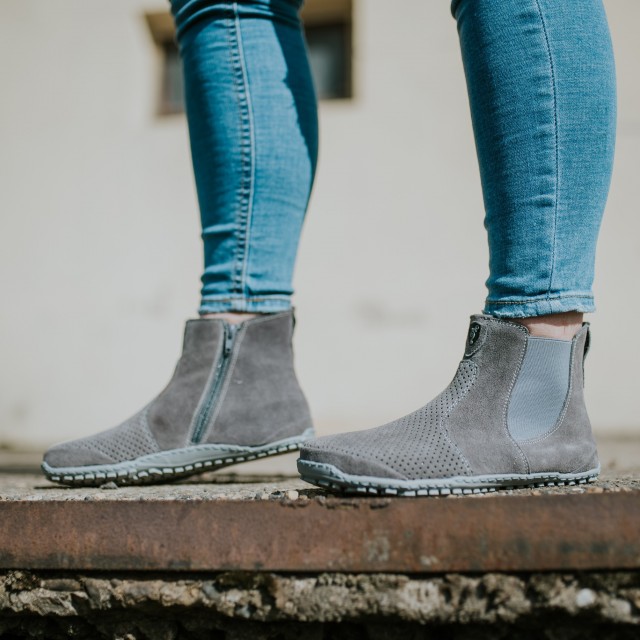
Barefoot shoes are designed to recreate the experience of walking barefoot as closely as possible, while still protecting the foot from urban surfaces. In practice, this means a construction that does not try to “correct” your foot with stiff reinforcements, raised heels or heavy cushioning, but instead allows the foot to work naturally. The key idea is simple: the foot is not something that needs to be forced into shape, but a living structure of muscles, tendons and sensory receptors that needs movement, flexibility and feedback from the ground. In barefoot shoes the toes have space, the sole bends together with the foot, and the heel is not positioned higher than the forefoot, so the body does not have to compensate for an unnatural position through entire muscle chains.
Why barefoot shoes are especially important for women
For many women, feet spend years in conditions that have little to do with biomechanics: narrow toe boxes, high heels, stiff ballerinas that squeeze the toes and “do-everything” shoes that in reality are good mainly for their appearance. On top of that, the body goes through changes at different stages of life: weight fluctuations, pregnancy, swelling, changes in tissues, and a natural tendency to look for shoes that appear elegant and visually light, even if that comfort comes at the cost of pressure. Barefoot footwear works as a return to the basics. A wide toe box allows the toes to spread the way they were designed to, which improves stability, balance and the comfort of the entire step. When the big toe is not pushed inward, the body can build stable support more easily, and the foot stops escaping into tensions that are later felt in the calves, knees or lower back. For many women, the biggest difference is simple: after a whole day, the feet are no longer sore and “tired from pressure” – they have simply done their job.
%20(1).webp)
.webp)
.jpg)
.webp)
.webp)
.jpg)