PL
PL
 EN
EN
 DE
DE
 CS
CS
 ES
ES


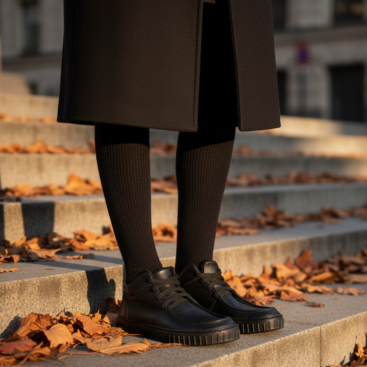
What are barefoot shoes and why is it worth wearing them in winter?
Barefoot is not just a trend — it is a philosophy that assumes maximum adaptation of footwear to the natural anatomy of the foot. Barefoot shoes do not force the gait, do not restrict the toes and do not raise the heel. Instead, they offer a flat, flexible sole and sufficient width in the forefoot, allowing the foot to work in harmony with its biomechanics.
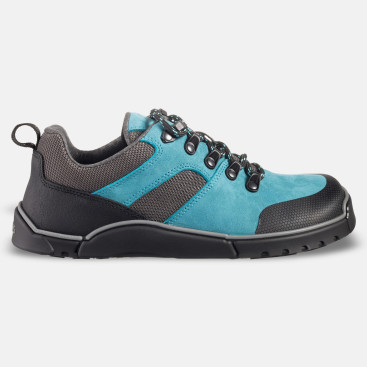
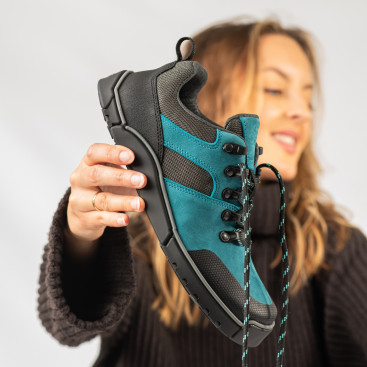
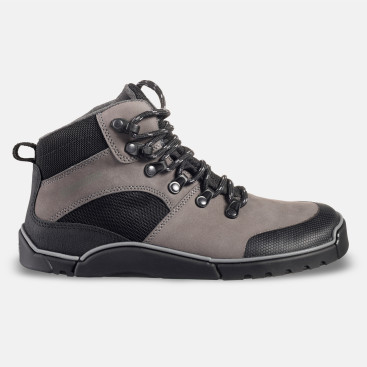
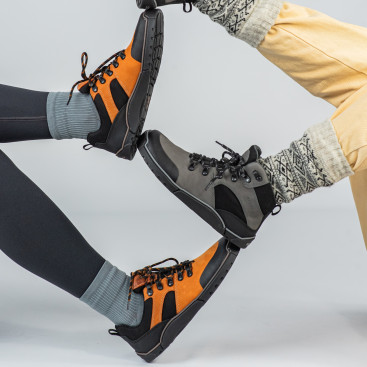
In winter, it may seem that such a construction cannot meet the demands of snow, mud and cold. Meanwhile, the right materials and well-thought-out design details mean that women’s barefoot shoes not only provide warmth, but also support a healthy gait — even in difficult conditions. Thanks to natural toe movement and free foot positioning, circulation improves, which translates into better heat retention. Add high-quality insulation, water-resistant finishes and anti-slip soles, and it turns out that barefoot shoes are an ideal alternative to classic winter footwear.
What should you pay attention to when choosing winter barefoot shoes?
Winter conditions require special attention to detail — especially if we do not want to give up the lightness and freedom of barefoot footwear. When choosing shoes for colder months, it is worth paying attention to several key elements that determine wearing comfort.
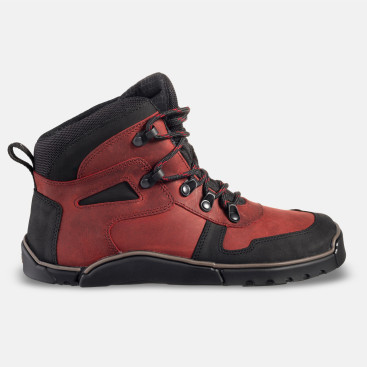
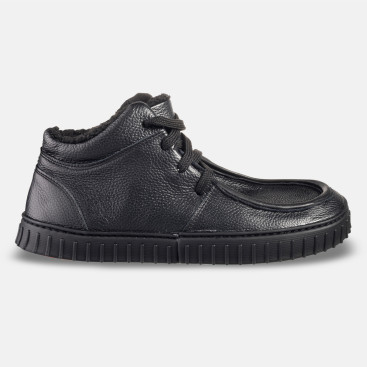
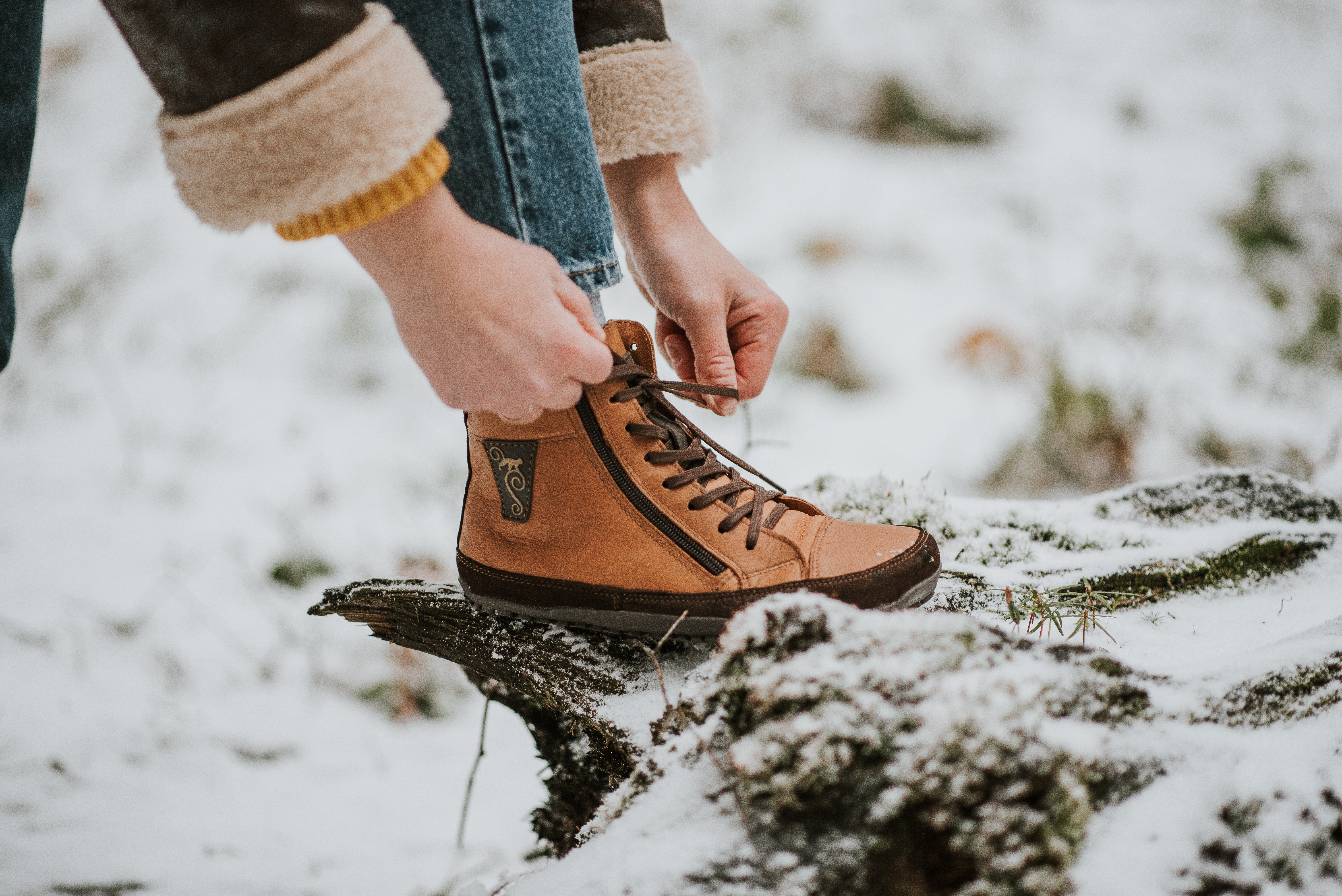
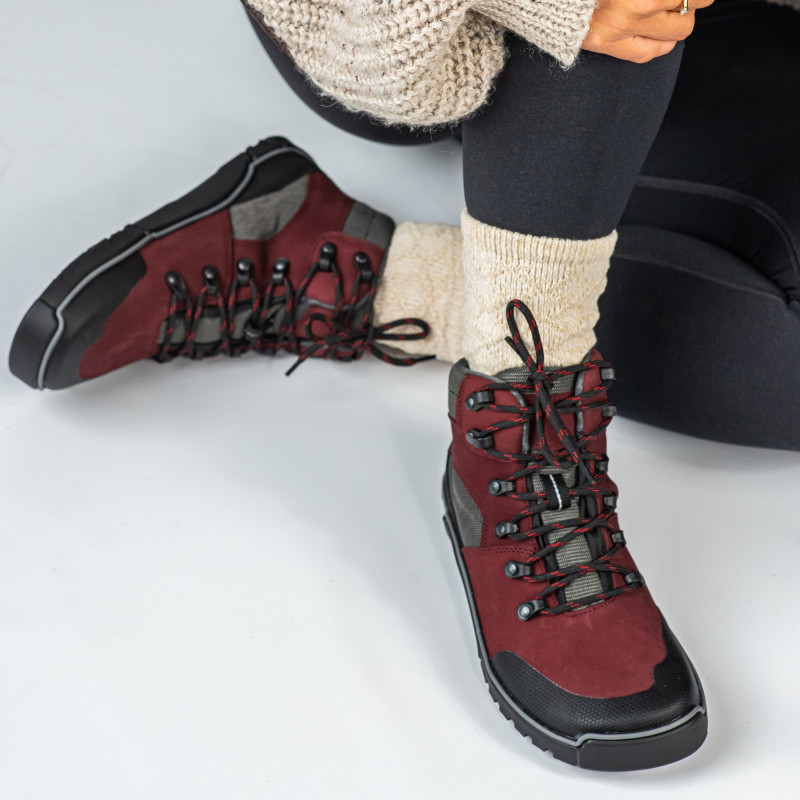
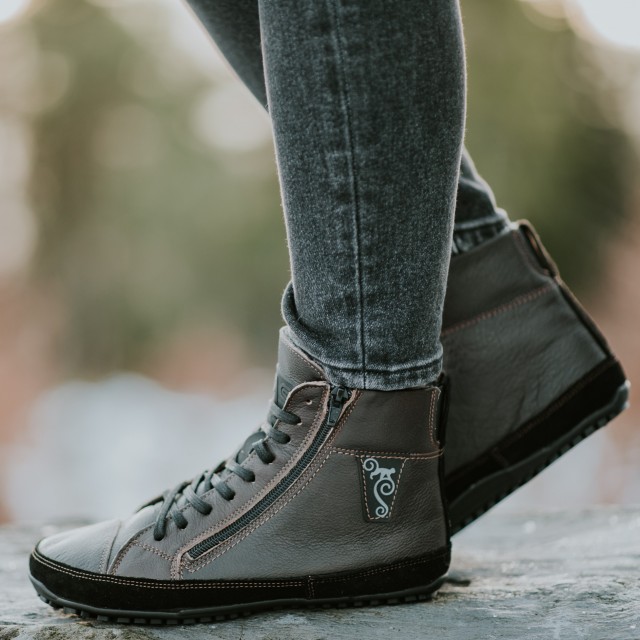
Insulation is, of course, the most important factor. Natural wool or merino wool are materials that work exceptionally well — they are breathable, protect against the cold and keep the inside of the shoe dry. The upper is equally important — it should be resistant to moisture while remaining flexible and pleasant to the touch. It is also beneficial if it extends above the ankle and stabilizes the foot without restricting it.
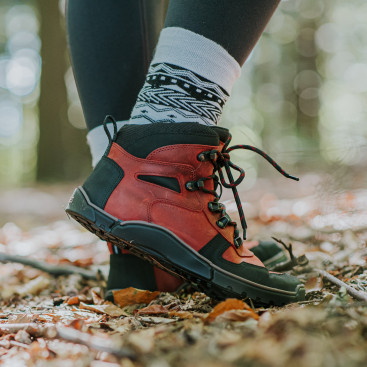
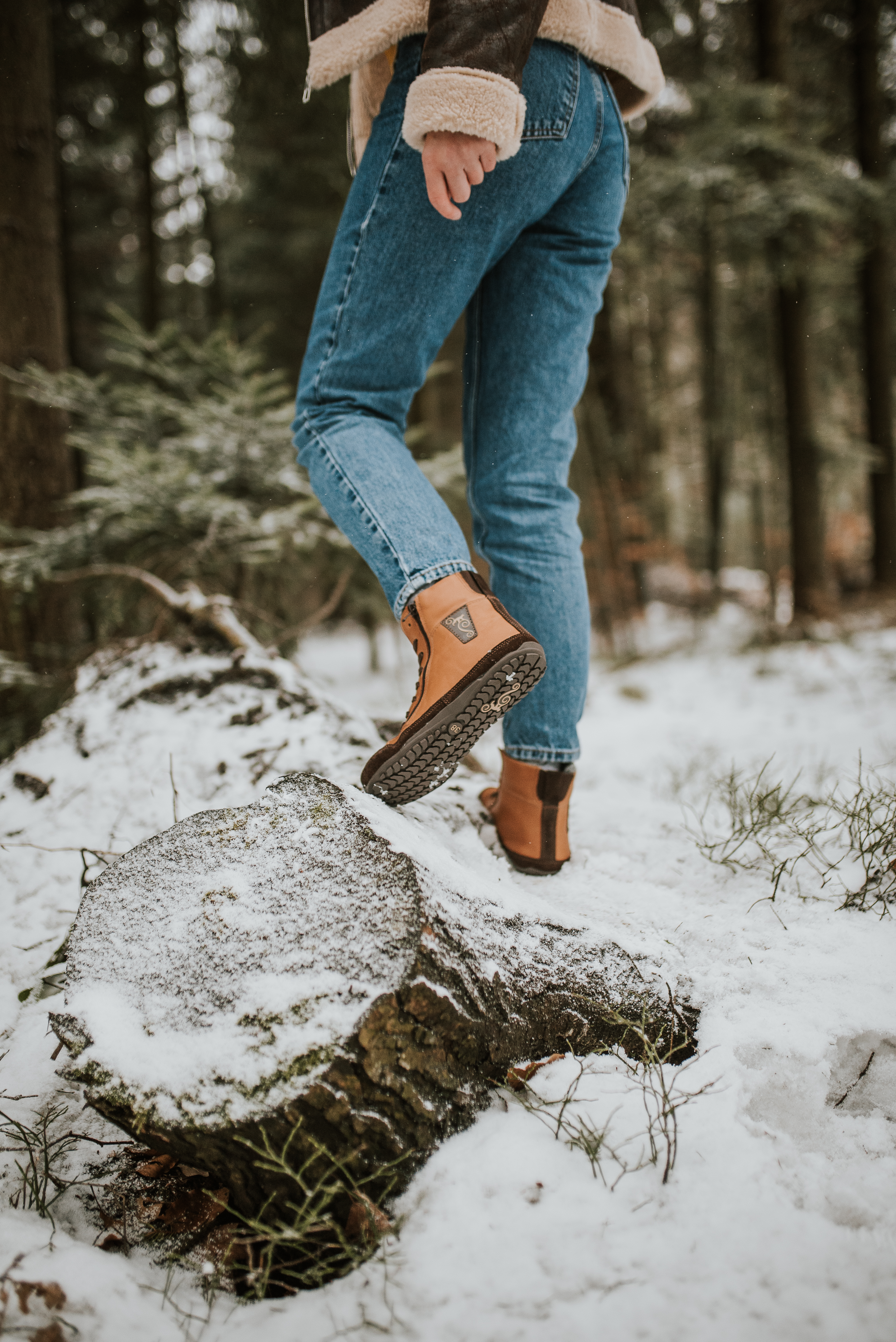
The sole is another element that must meet special requirements in winter barefoot shoes. It needs to be thin and flexible so as not to limit ground feel, but also grippy enough to prevent slipping on ice or mud. For this purpose, proprietary rubber compounds are often used, which retain flexibility even at low temperatures.
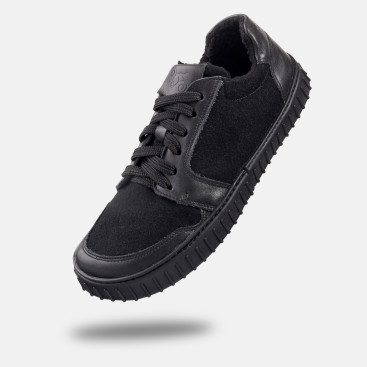
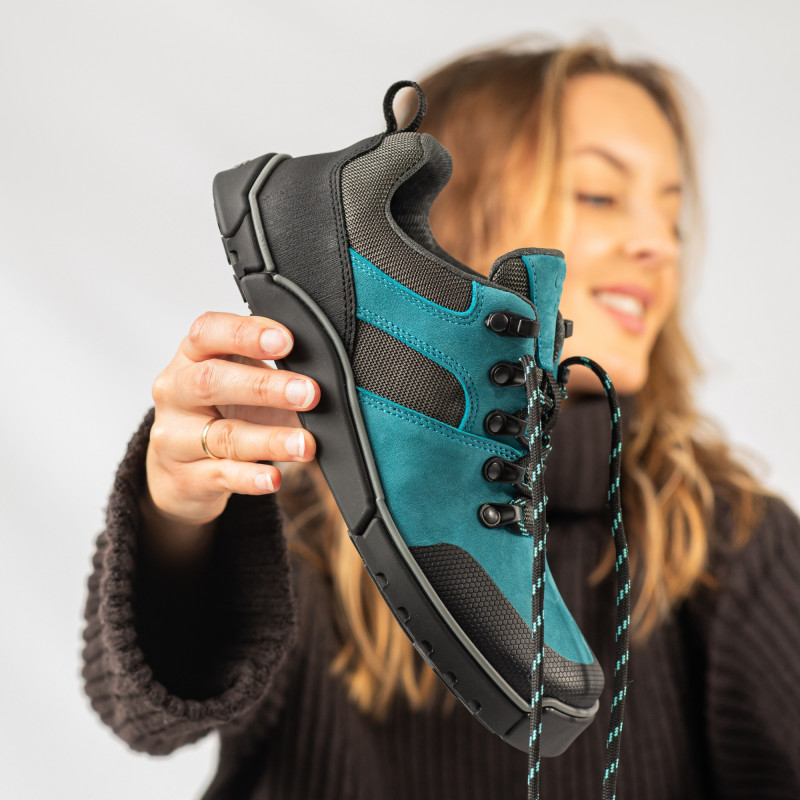
The width of the forefoot is also a crucial aspect that should not be overlooked — in women’s barefoot models, it is extremely important that the toes have enough space to spread naturally. This is not only a matter of comfort, but also the foundation of healthy movement.
%20(1).jpg)
_1.jpg)
.jpg)
.jpg)