Modern sneakers and foot stability – why do they weaken the ankle and muscles?

Modern sneakers are designed to maximize comfort. Soft cushioning, thick soles, and support systems aim to protect against overload and reduce the impact felt when hitting the ground. The problem is that the human body does not function in isolation from stimuli – it needs them to maintain performance. Foot and ankle stability is not the result of shoe construction alone, but of a complex interaction between muscles, the nervous system, and movement mechanics.

When modern footwear begins to take over some of these functions, the body gradually stops performing them on its own. This is where the process leading to weakened stability begins. Understanding this phenomenon requires going back to the basics – to what foot stability actually is and how it works under natural conditions.

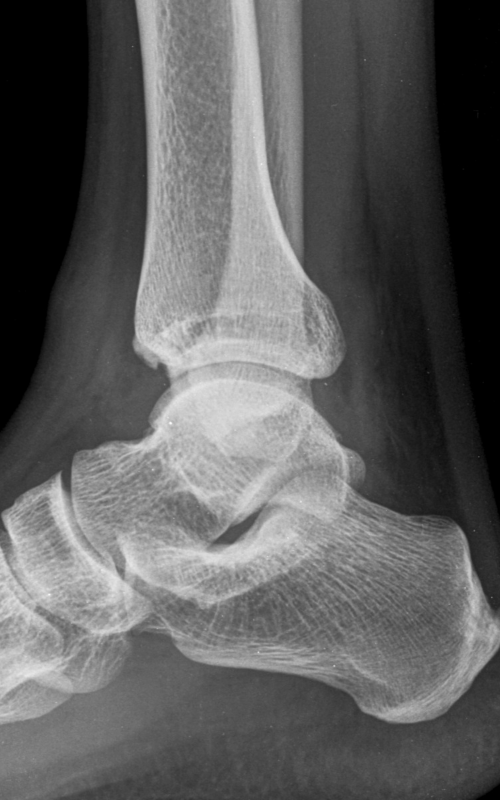
What is foot and ankle stabilization in movement biomechanics?

Foot and ankle stabilization is not about “stiffening” these structures, but about their ability to dynamically respond to changes in the ground and load. Every step is a micro-adaptive process in which hundreds of small muscles in the foot and lower leg activate at the right time and with the right force. It is this continuous regulation of tension that ensures balance and movement control.

In natural conditions, the foot acts both as a shock absorber and a stabilizer. Its arches spring, the toes spread, and the ankle adjusts to the direction of forces acting on the body. Stability is therefore not a static state, but a process – a continuous dialogue between the body and the ground. The nervous system plays a key role here, using signals from receptors in the foot to decide how to position the ankle joint and how to engage the muscles.

If this system works properly, stabilization is efficient, fast, and almost unnoticeable. However, if any part of it is disabled or limited, the entire system begins to function less effectively.

How do modern sneakers work (cushioning and support)?

Modern sneakers interfere with this natural system on several levels. First of all, they introduce a thick layer of cushioning that separates the foot from the ground. Additionally, they use various forms of support, such as contoured insoles or stabilizing structural elements. In many models, there is also an elevated heel, which changes the alignment of the entire lower limb.

From the user’s perspective, this means greater comfort – steps feel softer, and uneven terrain becomes less noticeable. From a biomechanical perspective, however, it means something entirely different. The shoe begins to take over some of the functions that previously belonged to the foot. Instead of active muscle work, passive structural support appears.

This shift in responsibility has consequences that are not immediately visible, but accumulate over time.
Loss of proprioception – a key issue in stability

One of the most important effects of wearing heavily cushioned shoes is the reduction of proprioception, the ability to sense the position and movement of the body. Receptors in the feet provide the brain with information about pressure, joint angle, and the characteristics of the ground. Based on this input, the nervous system controls muscle tension and adjusts movement.

When a thick, soft layer appears between the foot and the ground, some of this information gets dampened. Signals arrive more slowly, with less precision and lower intensity. As a result, muscle responses become delayed or less accurate.

This phenomenon can be compared to walking on an unstable surface while wearing thick gloves – you lose sensitivity and start relying more on guesswork than on precise feedback. In the context of the foot, this means poorer control over the ankle joint and, consequently, reduced stability.

Muscle weakening in the foot and ankle – what research shows

Biomechanical studies show that reduced stimulation leads to reduced muscle activation. If muscles don’t have to work because the shoe takes over part of their function, they gradually lose strength and the ability to respond quickly. This particularly affects the small muscles of the foot, which are responsible for precise stabilization.

In the long term, this can lead to changes in both muscle structure and function. The foot stops acting as an active element of the movement system and begins to take on a more passive role. This, in turn, affects the entire biomechanical chain, from the ankle up to the knee and hip.

The weakening is not sudden or dramatic, which is why it often goes unnoticed. Instead, it shows up subtly – through poorer movement control, quicker fatigue, or a greater susceptibility to overload.

Cushioning vs stability – a biomechanical conflict

At first glance, cushioning seems like the perfect solution. It reduces the forces acting on the body and increases comfort during movement. The problem is that a soft, thick sole introduces an element of instability. Instead of a firm, predictable surface, there is a layer that deforms.

This deformation means the point of support is no longer clearly defined, and the forces acting on the ankle joint become harder to control. The ankle has to react to additional micro-shifts, while at the same time receiving less sensory input and having weaker muscular support.

This creates a paradox: the more comfort a shoe provides, the less stability the body maintains. This tension between cushioning and control is one of the key elements of the whole issue.

Restriction of natural foot movement (toe box, heel drop)

Another aspect is the restriction of natural foot movement caused by shoe design. Many sneakers have a relatively narrow front, which prevents the toes from spreading freely. Yet it is precisely this toe splay that increases the base of support and improves balance.

Additionally, an elevated heel changes the position of the entire foot and shifts the body’s center of gravity. As a result, the way the foot contacts the ground changes, and the natural gait pattern becomes disrupted.

These changes may seem minor, but their impact accumulates with every step. Ultimately, they lead to a situation where the foot no longer functions the way it was designed to.

Dependence on shoes – how sneakers “decondition” the foot

The body adapts to the conditions it operates in. If a shoe provides support, the muscles don’t need to generate it. If the sole absorbs impact, the structures of the foot don’t have to. In the short term, this is beneficial, but over time it leads to dependence on external support.

This is a classic adaptive mechanism. The body optimizes its function based on current demands. If the demands are low, capabilities decline as well. In the case of the foot, this means reduced strength, control, and stability.

Over time, a situation develops where it becomes harder to maintain balance or comfort of movement without sneakers. Not because the shoes are essential, but because the body is no longer fully self-sufficient.

Sneakers vs barefoot – key differences

Comparing modern sneakers with the barefoot approach highlights fundamental differences in how the foot functions. In conditions closer to natural, the foot receives more stimuli, muscles work more intensively, and movement control becomes more precise. As a result, both strength and stability improve.

This doesn’t mean one solution is universally better. The real difference lies in the type of stimuli provided by the environment and how the body responds to them. Sneakers minimize stimuli, while barefoot enhances them. This leads to different adaptations.

In the context of stabilization, the key point is that greater muscle activity and better proprioception support more effective control of the ankle joint.

Do sneakers increase the risk of ankle injuries?

Weakened stabilization and limited movement control can translate into a higher risk of injuries, especially ankle sprains. When the foot does not react quickly enough to changes in the ground or loss of balance, it becomes easier to exceed a safe range of motion.

This does not mean that sneakers directly cause injuries. They are rather one of several factors that can influence how the body handles loads. Combined with other elements, such as lack of training or fatigue, they may increase susceptibility to injury.

Can you wear sneakers and still maintain stability?

Understanding the underlying mechanisms makes it possible to find solutions that don’t require giving up modern footwear. The key is to restore the foot’s natural functions through proper stimulation and muscle activation.

In practice, this means introducing activities that compensate for the lack of stimuli. The body needs opportunities to work in conditions that engage the foot more than standard sneakers do. This makes it possible to maintain or even improve stability, despite using cushioned footwear.

When are sneakers OK, and when do they cause problems?

The impact of sneakers is not clearly negative – a lot depends on the context. In situations where protection against high loads or hard surfaces matters, cushioning can be beneficial. The problem arises when it becomes the only environment the foot operates in.

What matters most is the variety of stimuli. If the foot has opportunities to function in different conditions, it maintains its functionality. If it spends most of its time in an environment that limits its activity, it starts adapting toward reduced performance.

It is this long-term adaptation, not the mere act of wearing sneakers, that is the main reason for weakened foot and ankle stability.

How exactly does the loss of proprioception occur?

Proprioception is often described as a “deep sense,” but in practice it’s far more tangible than an abstract concept from an anatomy textbook. It’s what allows the body to know where the foot is, at what angle the ankle is positioned, and how pressure is distributed during contact with the ground. When we walk on uneven terrain, we don’t consciously analyze every step. The nervous system receives signals from receptors in the foot and immediately triggers the appropriate muscle response. This happens automatically, quickly, and without conscious effort.

Modern sneakers disrupt this process mainly by excessively separating the foot from the ground. The thicker and softer the sole, the less clear the signal reaching the receptors becomes. This doesn’t mean the foot stops feeling altogether, but that it feels less precisely. The difference is like listening to a conversation through a wall: the message is still there, but it loses sharpness, detail, and timing. In biomechanics, that timing is critical, because ankle stabilization depends on reactions that must happen instantly.

In practice, this means the body realizes later that it has stepped on an uneven surface or that the weight has shifted too far to the outer edge of the foot. Muscles react more slowly, and the ankle has less time to correct its position. It’s one of those mechanisms you don’t feel immediately as pain, but over time it translates into poorer movement control, less confidence in each step, and a higher risk of overload.

What happens to foot muscles when the shoe takes over their function?

The foot is not a passive platform for standing. It’s a complex structure made up of bones, ligaments, fascia, and muscles that constantly work together to maintain balance and transfer loads efficiently. However, when the shoe begins to provide support that the body used to generate on its own, the activity of some of these muscles gradually decreases.

This is why a recurring theme in scientific literature and current search results is that modern, highly engineered footwear can influence muscle architecture and ankle mobility. It’s not just about subjective comfort or discomfort, but about long-term adaptation. A muscle that is used less does not remain unchanged. It alters its function. It loses readiness for rapid response, weakens, and may become less effective at critical moments of movement.

At first, the body can compensate. A person still walks, runs, exercises, and may not notice any issue. But compensation comes at a cost. If the foot does not stabilize effectively, higher segments take on more load, especially the ankle, calf, knee, and hip. In this way, a local issue in the foot begins to affect the entire movement chain. In everyday life, this can show up as quicker fatigue during longer walks, reduced stability on uneven ground, or a sense that the legs feel “less reliable,” even though the shoes themselves feel very comfortable.

Why comfort doesn’t always mean functionality

This is one of the biggest paradoxes of modern footwear. Comfort is immediate. Soft cushioning makes each step feel pleasant and reduces the sensation of load on the foot. Functionality, on the other hand, reveals itself over time. It determines whether the foot can stabilize the body, whether muscles retain their strength, and whether movement remains efficient.

Many people choose shoes based on first impressions. If a model feels soft, springy, and snug, it automatically seems better. But biomechanics doesn’t always follow user intuition. The body enjoys comfort, but it develops through stimulation. If a shoe removes too many challenges, the body stops training the abilities needed for natural stability.

That’s why not all comfort is equal when it comes to the foot. There is comfort that comes from proper fit and freedom of movement, and there is comfort that results from the body being relieved of part of its workload. In the short term, the latter feels appealing. In the long run, however, it can lead to functional weakening.

Soft soles and hidden instability

When we think about instability, we usually imagine a slippery surface or very uneven terrain. But instability can also be built into the shoe itself. A thick, soft sole deforms with every step, which means the foot is not standing on a fully predictable surface. At first glance, this seems like an advantage – the material “works” and softens the contact with the ground. The issue appears when this deformation becomes an additional variable that the ankle has to deal with.

The ankle joint stabilizes best when it receives clear information about the direction of pressure and has a stable base of support. If the sole bends too much or unevenly, the body has to react not only to the ground but also to the behavior of the shoe itself. This increases the complexity of the task. As a result, the stabilizing muscles have more work to do, but at the same time receive less precise sensory input. It creates a situation where the body is asked to do more while being given fewer tools.

That’s why very soft footwear doesn’t always support confident movement. It may feel pleasant, but it can be less beneficial in situations where quick corrections of foot and ankle position are crucial.

Toe box, toes, and the foundation of balance

In search results and scientific discussions, the theme of natural foot movement keeps coming up, and one of its key elements is toe function. In traditional footwear thinking, toes are often treated as secondary, almost like an add-on rather than a critical part of stabilization. In reality, their ability to spread freely increases the base of support and helps the body manage balance more effectively.

When the front of the shoe is narrow, the toes are pushed closer together, limiting their ability to work actively. This affects not only comfort but also the mechanics of the entire step. The foot loses part of its natural foundation, and load distribution becomes less optimal. Over time, this can lead to increased tension in the forefoot, overload, and reduced efficiency during push-off.

This is a key piece of the puzzle, because stabilization doesn’t start at the ankle. It starts with how the foot contacts the ground. If that contact is restricted and artificially controlled by the shape of the shoe, higher structures have to take over tasks that should be handled lower down, more naturally and more efficiently.

Heel drop and its impact on whole-body alignment

An elevated heel is one of those features many people have gotten so used to that they no longer notice it. Yet even a small height difference between the heel and the toes affects the alignment of the entire body. The center of gravity shifts, calf function changes, and the way the foot lands and rolls through each step is altered.

This doesn’t automatically mean that every shoe with a heel drop is bad, but it does mean it’s not neutral. The body has to adapt to it. If that adaptation lasts for years, it becomes a new movement pattern. The issue is that a pattern learned from footwear is not always aligned with the foot’s natural function.

In the context of ankle stability, heel drop matters because it influences the range of motion in the ankle joint and how forces are distributed during walking. The more footwear changes the starting alignment of the limb, the more it can weaken natural control mechanisms—especially if the body isn’t exposed to other, balancing stimuli.

How dependence on support develops

Dependence on shoes doesn’t sound dramatic, but in practice it’s one of the most interesting and important effects of long-term use of highly supportive footwear. The body quickly learns to take advantage of solutions that make its job easier. If the arch is supported, it doesn’t need to generate the same level of internal activity. If the heel is stabilized by the shoe’s structure, muscles and receptors don’t have to work as intensively. If the sole absorbs impact, tissues don’t need to manage ground reaction forces as effectively.

In the short term, everything seems to work well. The step feels soft, the gait is smooth, and the user feels safe. The problem begins when this support stops being an exception and becomes the only movement environment. The body adapts to external assistance and stops investing energy in developing its own stabilizing capabilities.

As a result, the shoe starts to act like a functional prosthesis—not because the user had a serious orthopedic issue, but because the body has been “untrained” from working independently. This is exactly why many people feel instability, stiffness, or foot fatigue shortly after taking off highly cushioned shoes.

Barefoot sneakers – how do they differ from classic sneakers?

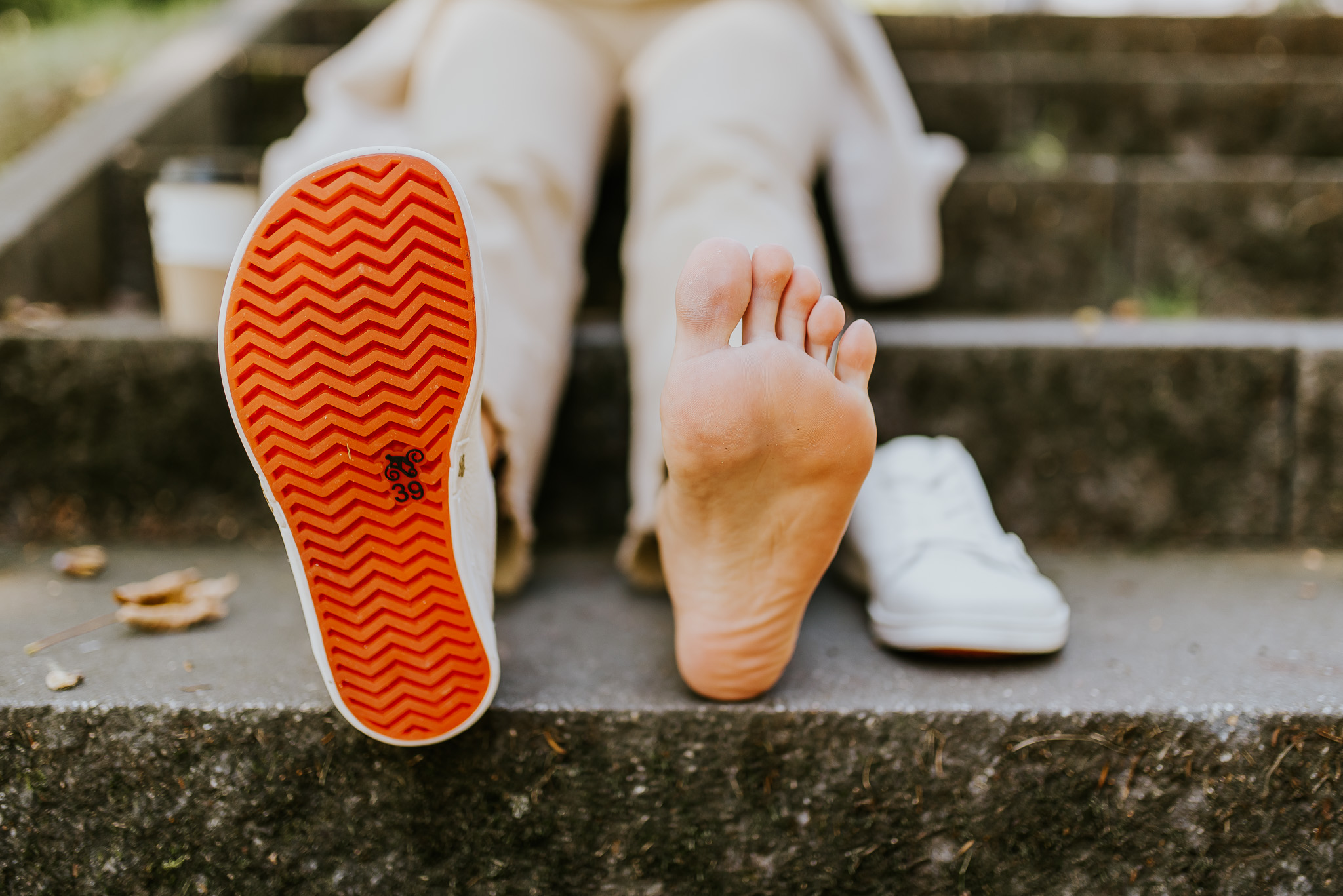
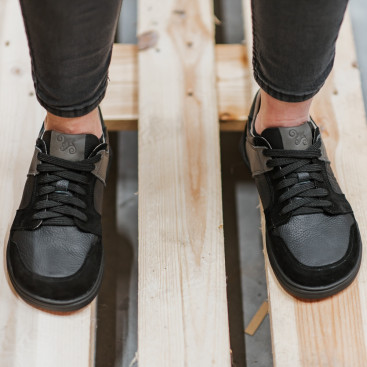
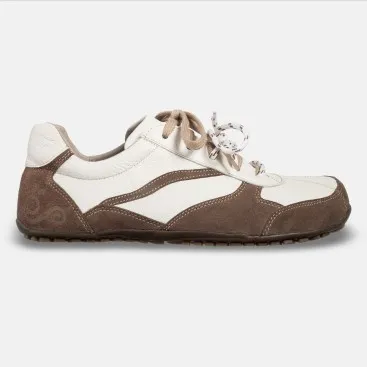
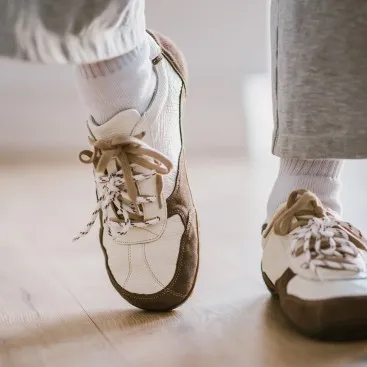
At first glance, barefoot sneakers may look similar to typical urban footwear, but their design is based on completely different principles. Instead of isolating the foot from the ground and taking over its functions, they allow it to operate according to natural biomechanics. A thin, flexible sole increases ground feel, the absence of a height difference between heel and toes restores neutral body alignment, and a wide toe box enables the toes to move freely. These elements allow the foot to actively stabilize movement rather than rely on passive support from the shoe.

In the context of everything discussed earlier, this essentially reverses the key issues associated with modern sneakers. Instead of reduced proprioception, there is improved sensory feedback; instead of muscle weakening, there is activation; and instead of artificial stabilization, there is natural movement control. Barefoot sneakers don’t eliminate the challenges posed by the ground, but that’s exactly the point. By keeping those challenges present, they allow the body to develop the abilities necessary for healthy and stable foot and ankle function.

How barefoot sneakers support foot and ankle stability

The biggest shift happens at the level of the nervous and muscular systems. When the foot starts to “feel” the ground more clearly, stabilizing reactions become faster and more precise. The muscles of the foot and ankle return to their original role, which is dynamic control of movement, instead of remaining partially inactive. As a result, balance improves and each step becomes more controlled and stable.

It’s also important to understand that the lack of rigid structure does not mean a lack of support, but a change in where that support comes from. Stabilization doesn’t disappear – it moves from the shoe into the body. It’s a subtle but fundamental difference. The body is no longer guided; it becomes the one guiding movement. Over time, this translates into better control of foot positioning, improved ankle function, and less dependence on external support.

Barefoot sneakers in practice – an example of a design approach

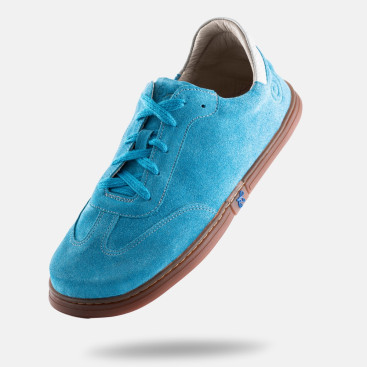
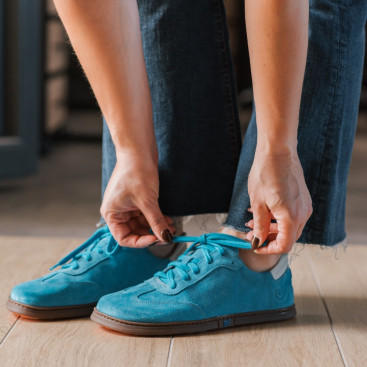
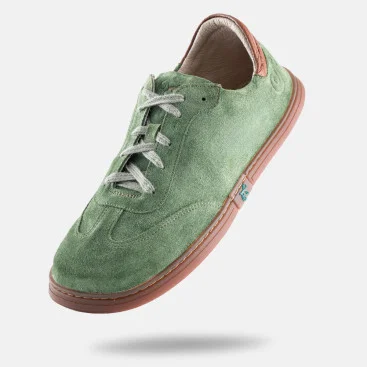
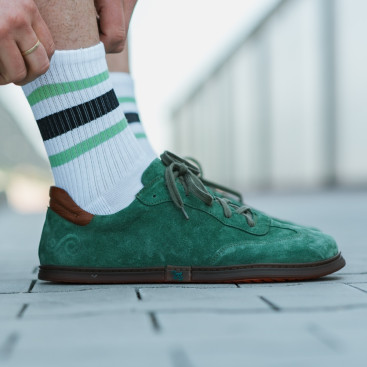
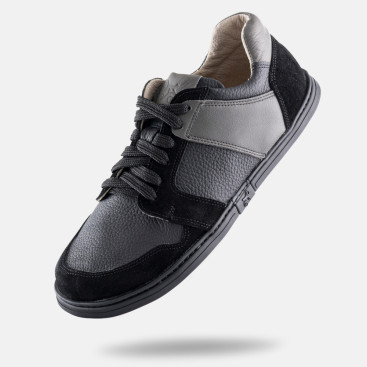
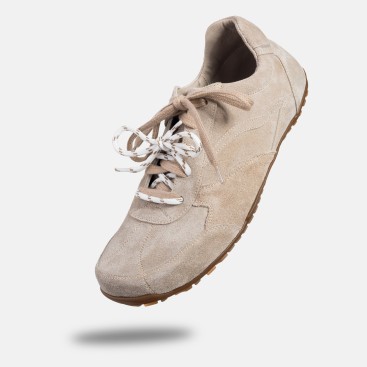
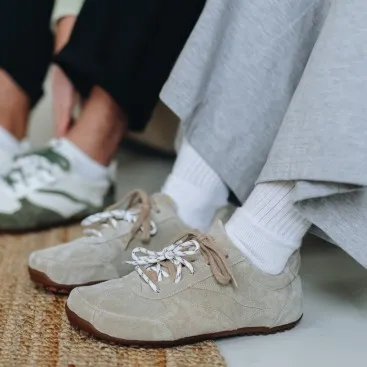
A good example of a modern barefoot approach are models inspired by classic sneakers from the 80s and 90s, combining familiar aesthetics with anatomical construction. They keep a slim silhouette and recognizable proportions, but inside offer full space for the toes along with a flat, flexible sole. This allows the foot to function naturally, without the restrictions typical of narrow and rigid designs.

In such projects, material choice also plays a key role. A leather upper and lining improve comfort during extended wear, while the flexible structure eliminates pressure points and allows the foot to change shape freely during movement. Additional features, such as a removable insole, make it possible to adjust the internal space to individual arch height without losing barefoot properties. This approach shows that functionality and everyday usability can go hand in hand with aesthetics, creating footwear that works both in urban settings and during longer walks.

FAQ – barefoot sneakers and foot stability

Yes, because they enhance ground feel and activate the muscles responsible for stabilization. As a result, the body reacts faster to changes and controls movement more effectively.

The key differences are a thin, flexible sole, no elevated heel, and a wide toe box. Classic sneakers often restrict movement and take over the stabilization function, while barefoot restores it.

Yes, although the feeling of comfort is different from soft, cushioned shoes. Comfort comes more from freedom of movement and proper fit than from reducing stimuli.

Yes, because the foot needs to relearn active function. The adaptation should be gradual to avoid overload.

Yes, modern models are designed for everyday use. They combine the aesthetics of classic sneakers with a construction that supports natural movement.

It can, but it doesn’t have to. Many people use both types of footwear, maintaining a balance between comfort and functionality.

Check out barefoot sneakers

Discover shoes that work with your foot, not against it.