PL
PL
 EN
EN
 DE
DE
 CS
CS
 ES
ES





Why does choosing the right sports shoes matter?
Many people believe that every pair of sports shoes serves a similar purpose. Meanwhile, shoes that work well for jogging in the park may completely fail at the gym or during functional training. Each activity comes with different biomechanical demands. Running involves repetitive movement in a single plane with significant impact absorption, while strength training requires stability and close contact with the ground, and dynamic cardio forms prioritize lightness and flexibility.
A poor footwear choice can result not only in discomfort but also in injuries—from tendon overloads and knee pain to spinal issues. Well-chosen shoes are not a whim, but a tool that supports the body in motion. Their role is not only to protect but also to support natural movement patterns without disrupting them, while cushioning impacts and stabilizing where needed.
What types of sports shoes are there?
Sports shoes are not a uniform category. Each type of physical activity generates different needs, which is reflected in footwear design. The most popular and at the same time most diverse are running shoes. In this category, we find both models designed for asphalt and trail shoes with tread and reinforcements. Their common feature is cushioning—more or less advanced—and a shaped upper that supports the ankle joint and maintains stability while running.
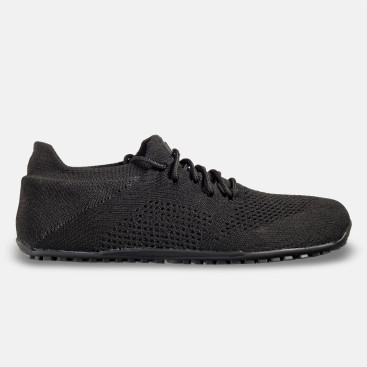
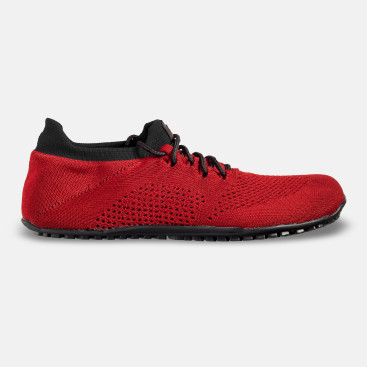
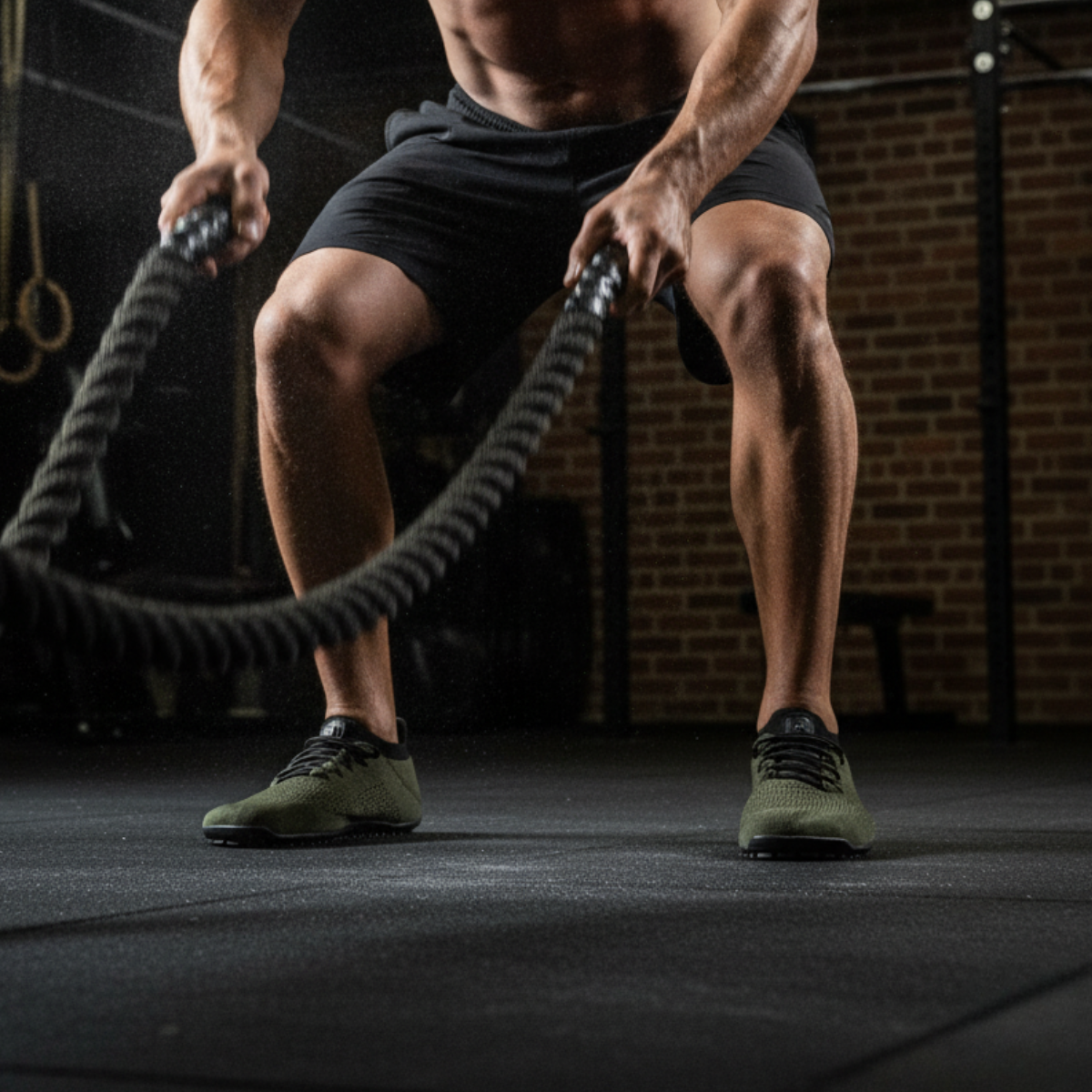
Another type is training shoes, designed for versatile activities such as fitness, tabata, and circuit training. Their construction assumes high flexibility and low weight, often at the expense of thicker cushioning. The key aspects here are adaptation to movement in all directions and good sole grip.
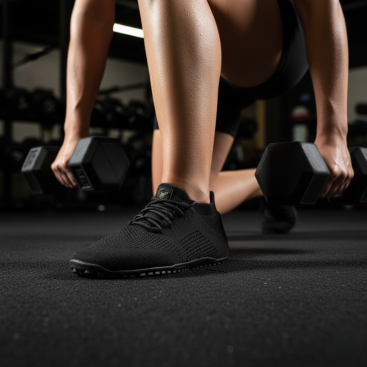
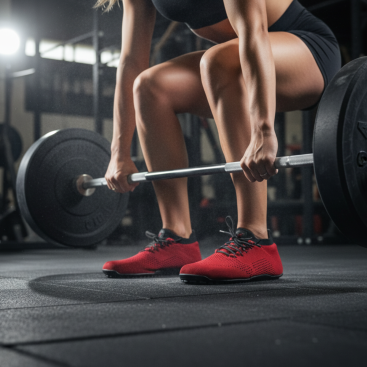
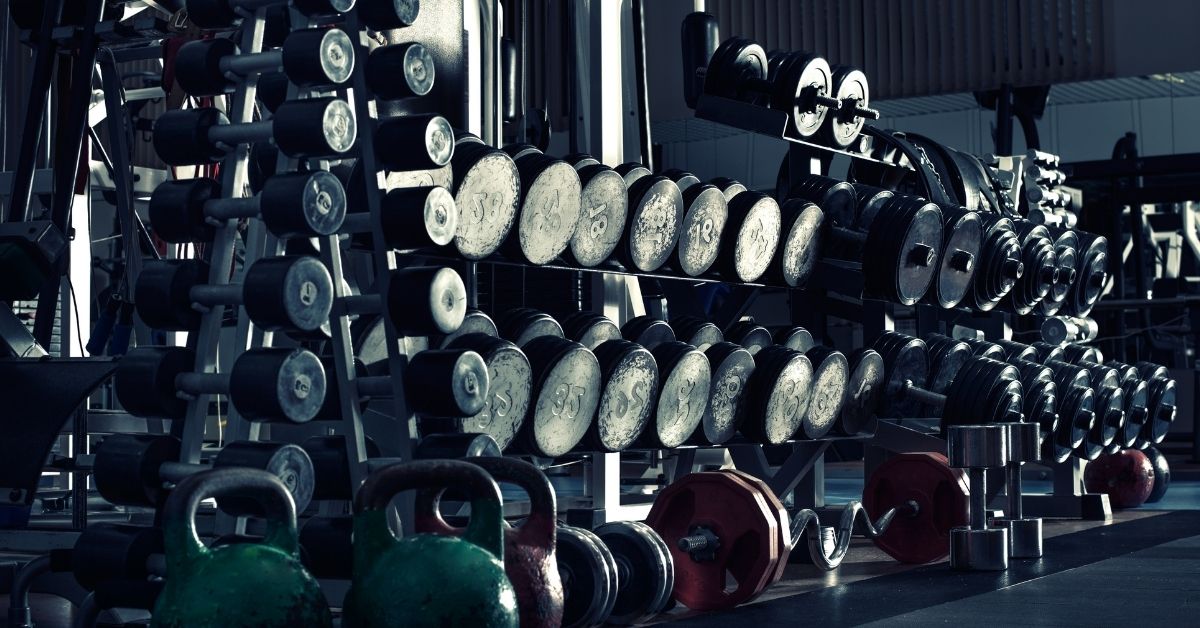
In the case of gym shoes, stability becomes the most important factor. The sole should be hard, often completely flat, so as not to disrupt body position during exercises such as deadlifts or squats. Unnecessary cushioning is eliminated in favor of stiffness and good ground grip.
Finally, a separate category includes shoes for team and indoor sports—designed for quick changes of direction, slides, and contact with opponents. Here, traction, lateral cushioning, and ankle protection are the most important.
.png)
.png)
.png)