PL
PL
 EN
EN
 DE
DE
 CS
CS
 ES
ES


What Are Flat Feet in Children?
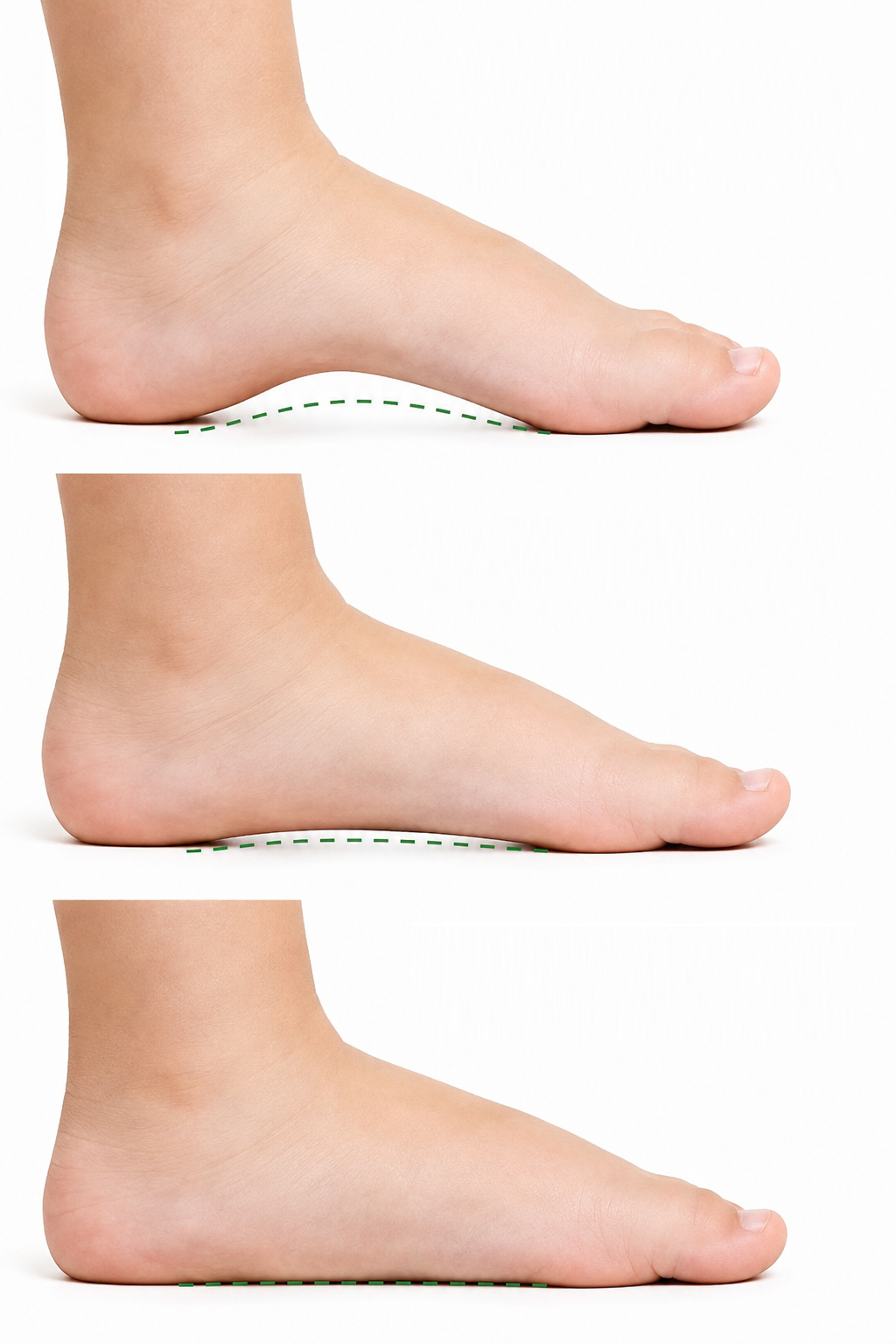
A child's foot is not simply a smaller version of an adult's foot. It is a structure that is still developing, with its longitudinal and transverse arches gradually forming as the child grows, becomes more active, and places increasing weight on the feet. Flat feet refer to a lowered or absent arch, but in children this is not always considered a medical condition.
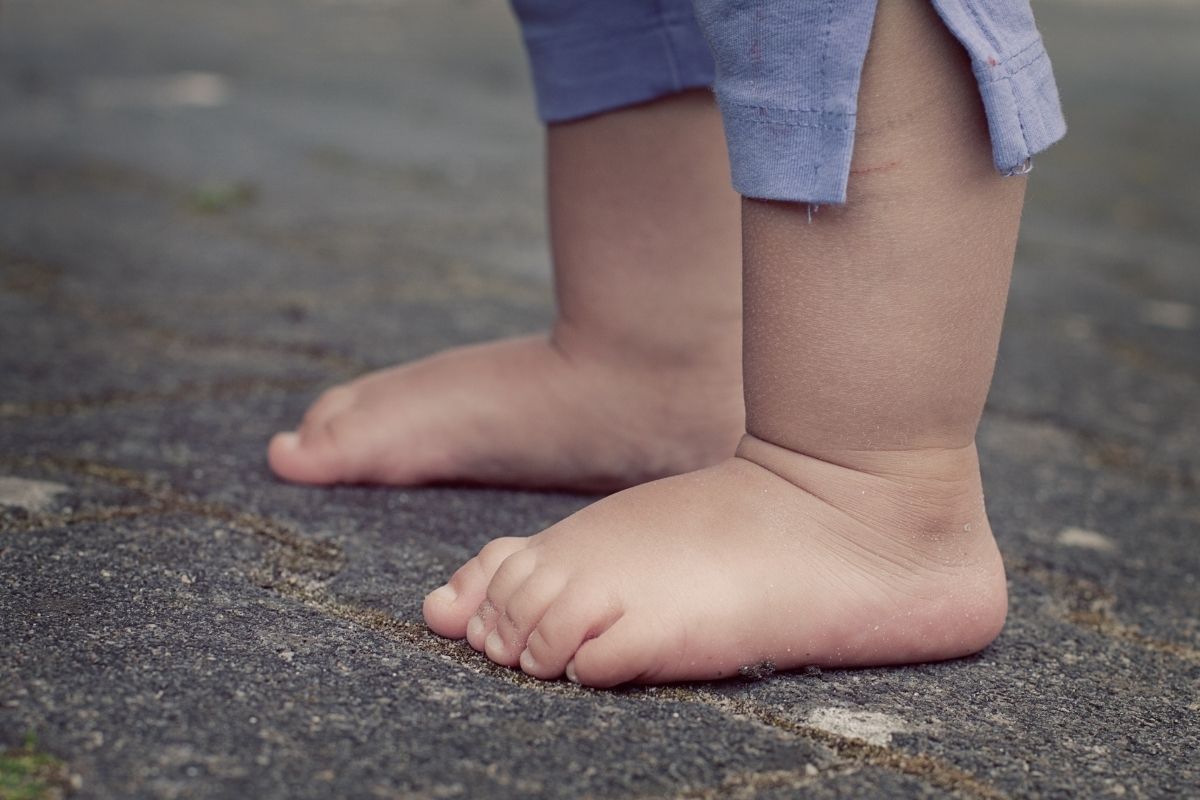
During the first years of life, a child's feet are naturally "chubby." A layer of fatty tissue on the sole often hides the longitudinal arch, making it appear flat. However, this does not mean the arch is absent. As the muscles and ligaments develop, the arch gradually becomes more visible.
For this reason, it is important to distinguish between a normal stage of foot development and a genuine condition that requires medical attention.
Types of flat feet: longitudinal and transverse
The most common type is longitudinal flat feet, which involve a lowered arch running along the inside of the foot. This is the form most often seen in children and the one that raises the greatest concerns among parents.
Transverse flat feet, which involve a lowered arch across the front of the foot, are discussed much less frequently. In children, this type is considerably less common and is usually not an isolated condition but part of broader biomechanical changes. In practice, this means that when it does occur, it is important to assess the function of the entire foot and overall posture rather than focusing only on the forefoot.
This distinction matters because the two types of flat feet may require different approaches and are not always managed using the same preventive strategies.
.jpg)