PL
PL
 EN
EN
 DE
DE
 CS
CS
 ES
ES


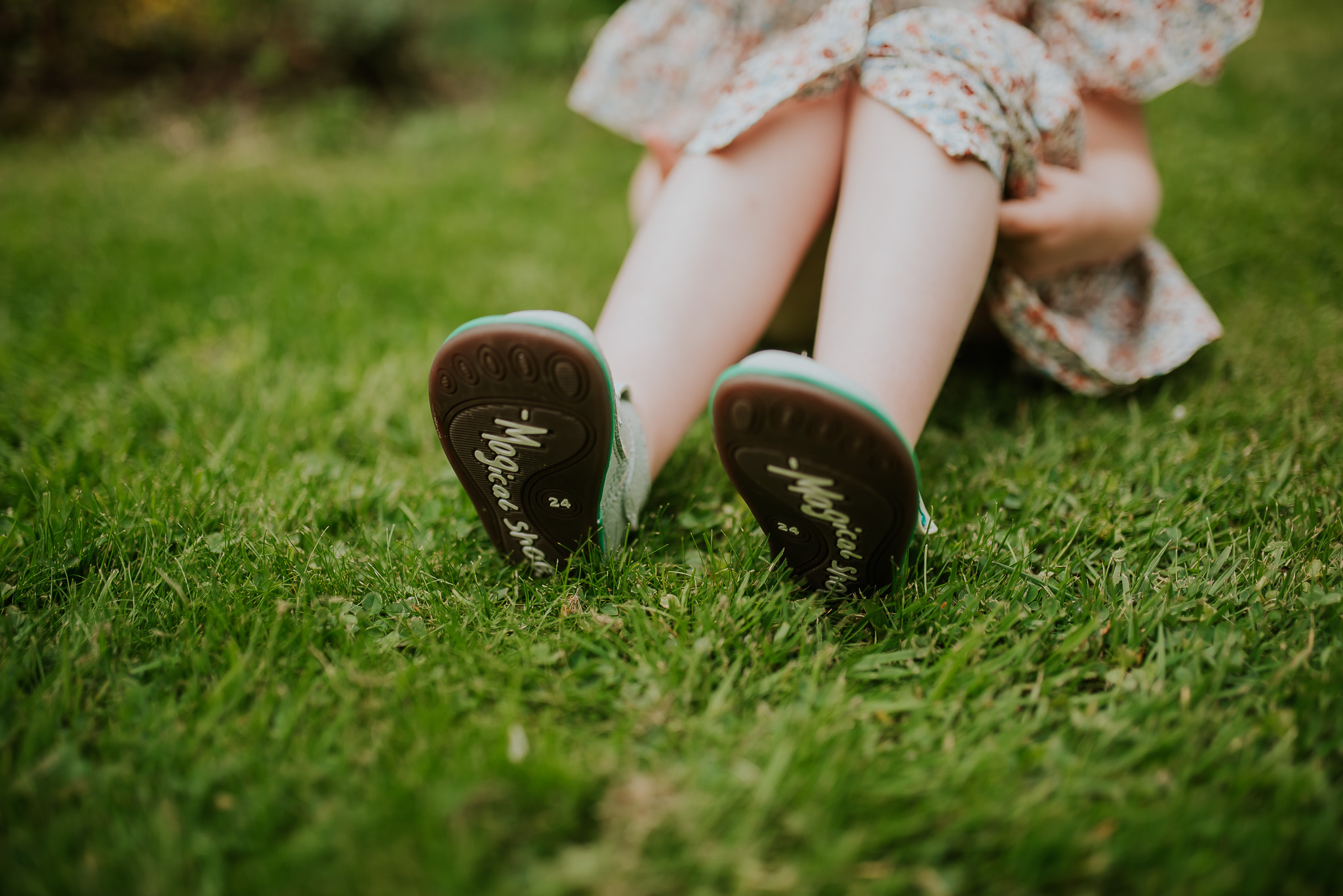
What are barefoot shoes for children?
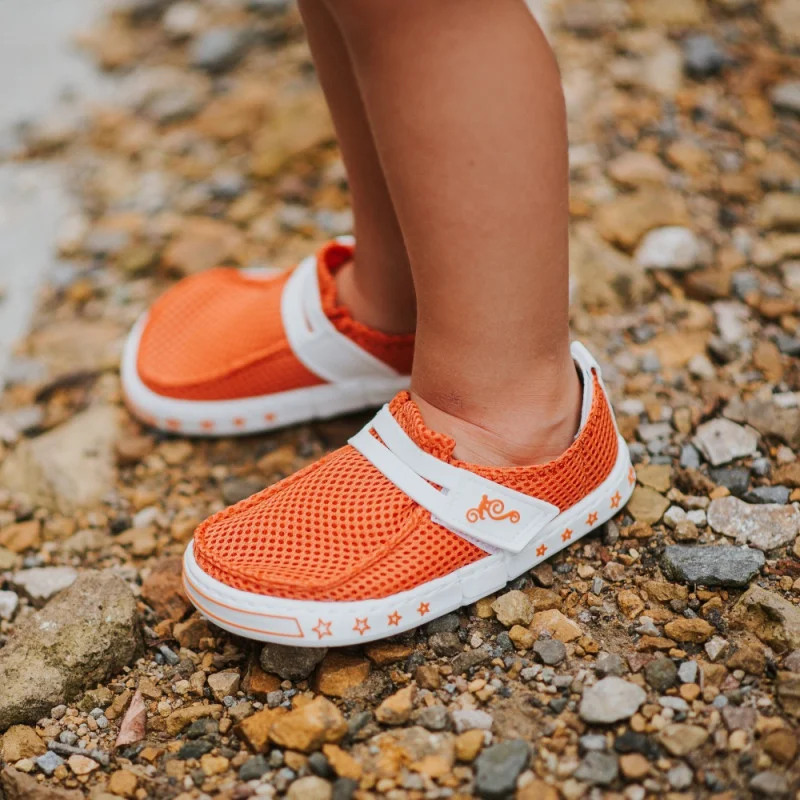
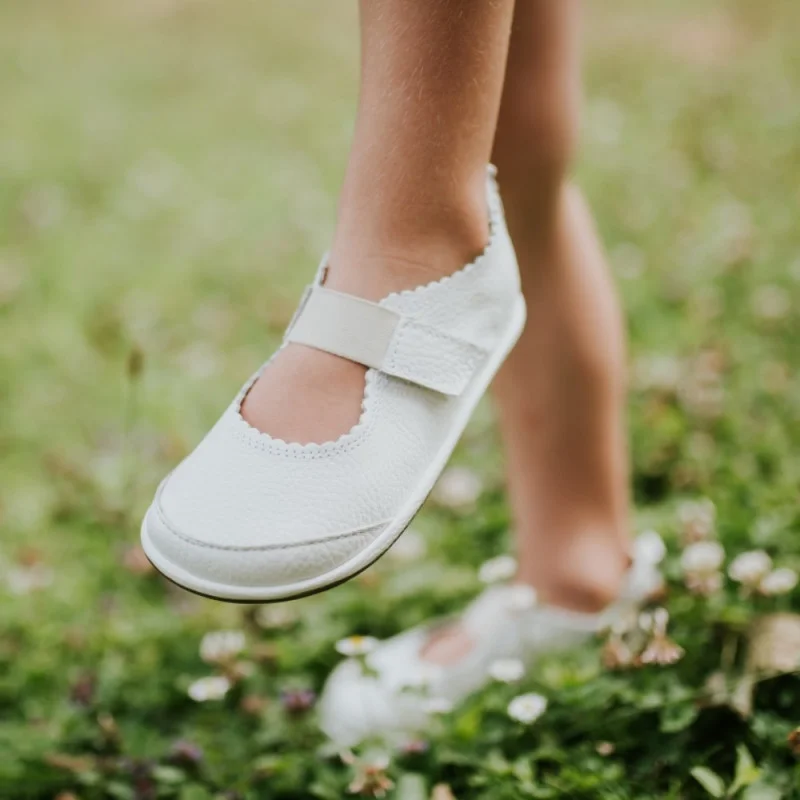
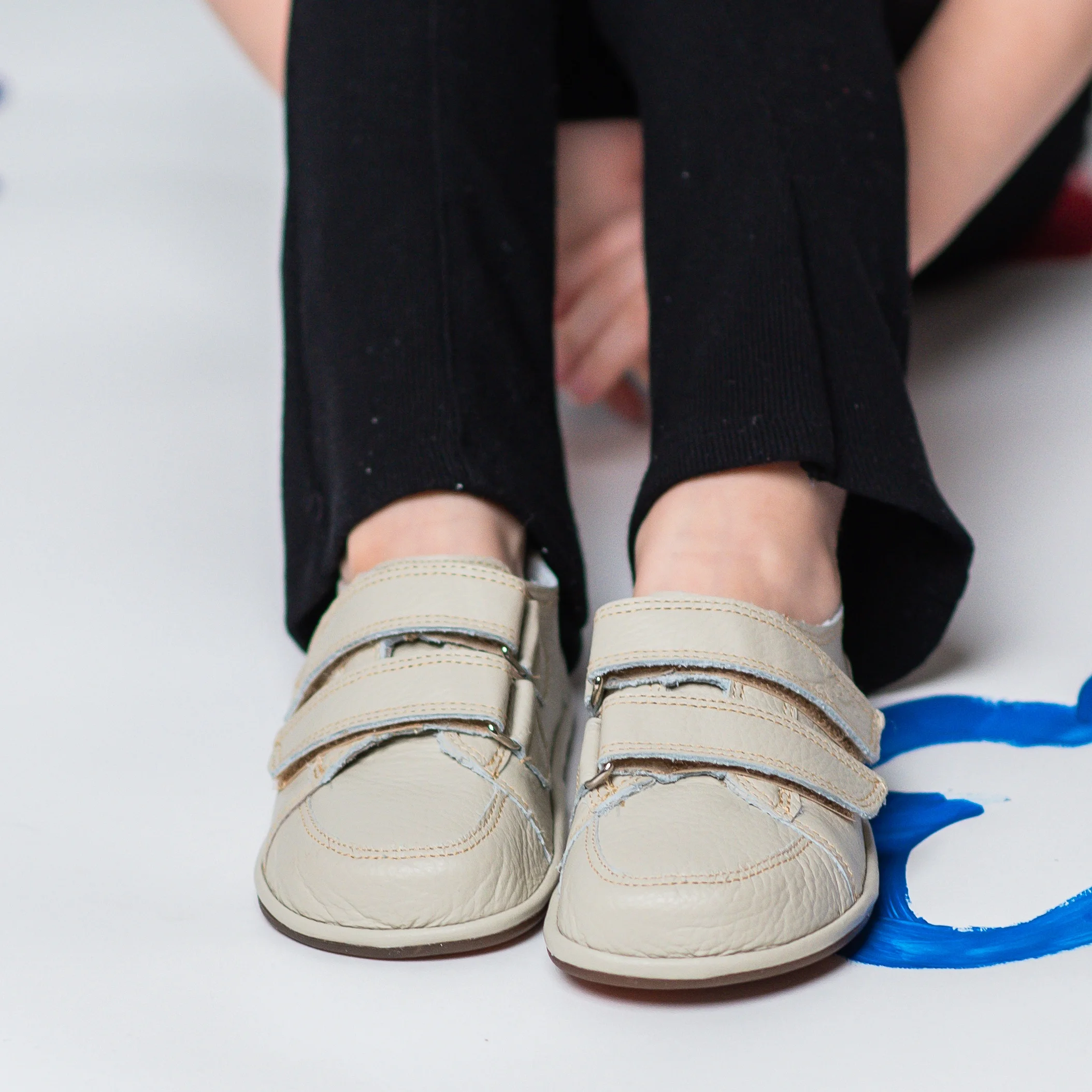
Barefoot shoes for children are based on one simple idea: a shoe should not interfere with the natural function of the foot. Instead of forcing a specific shape or way of moving, it should only protect the foot from cold, injuries, and uneven surfaces.
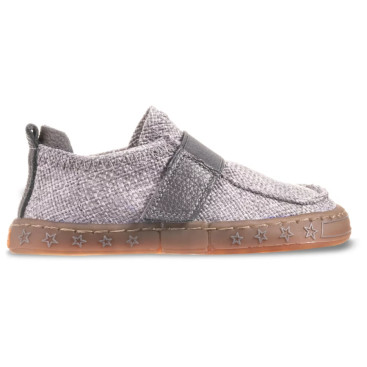
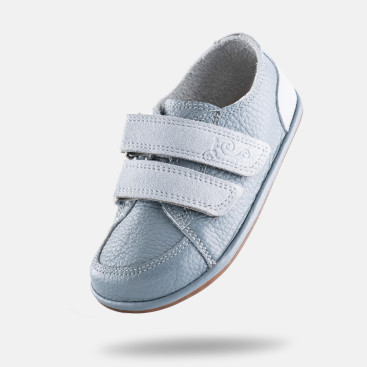
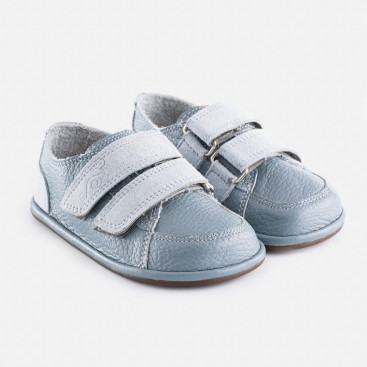
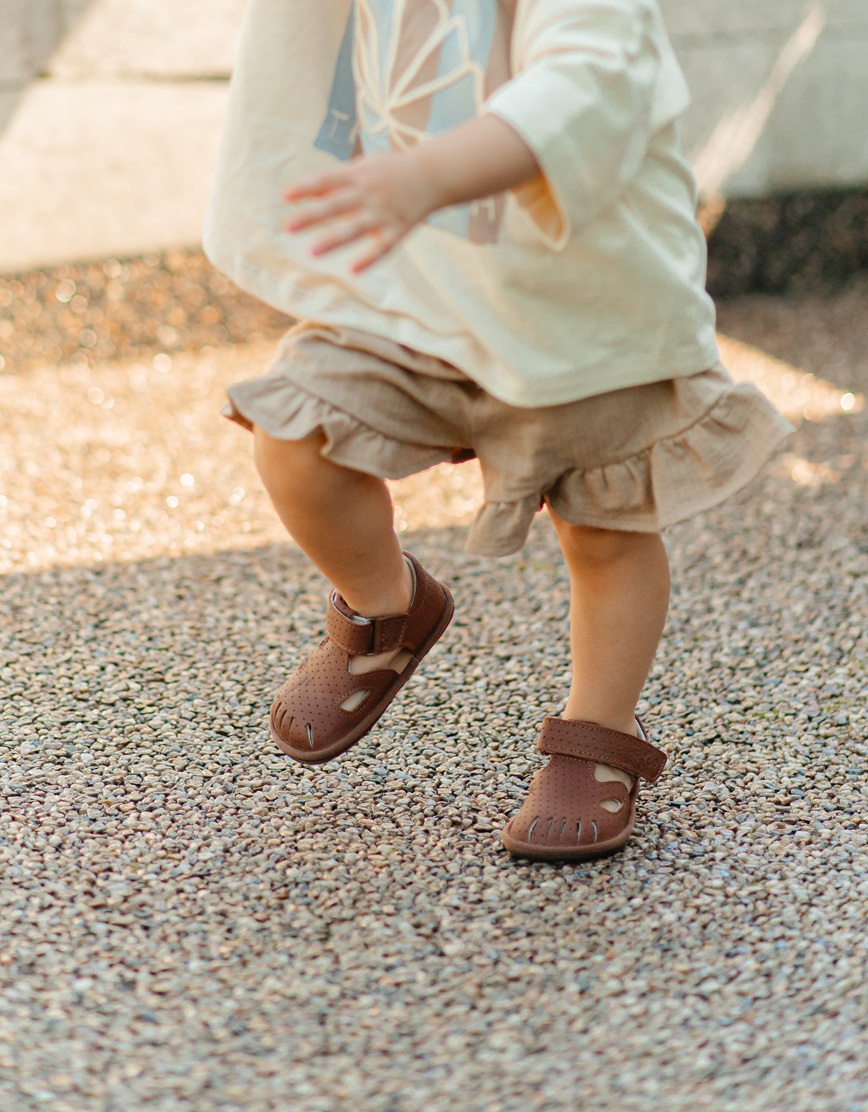
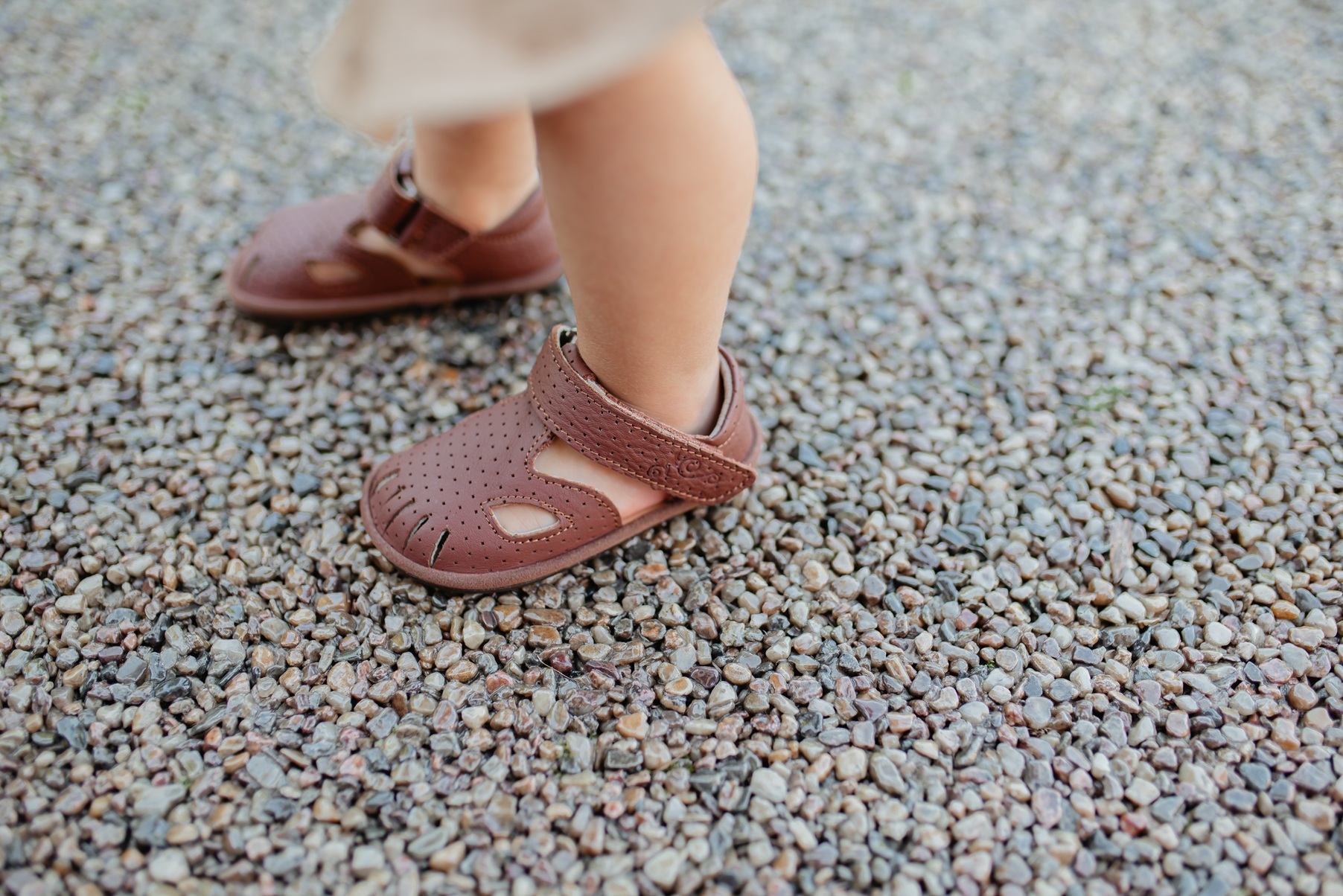
That is why their design focuses on function rather than aesthetics or habits taken from adult footwear. A characteristic wide toe box allows the toes to spread naturally, without pressure or deformation. A thin, flexible sole enables the foot to feel the ground, while the lack of stiff elements ensures that each step engages muscles and joints in a way similar to walking barefoot. Equally important is the absence of a height difference between the heel and the toes, known as drop, which helps maintain a natural body alignment.
At first glance, these may seem like small design details. In reality, each of them directly affects how a child moves, maintains balance, and develops their body.
How does a child’s foot develop?
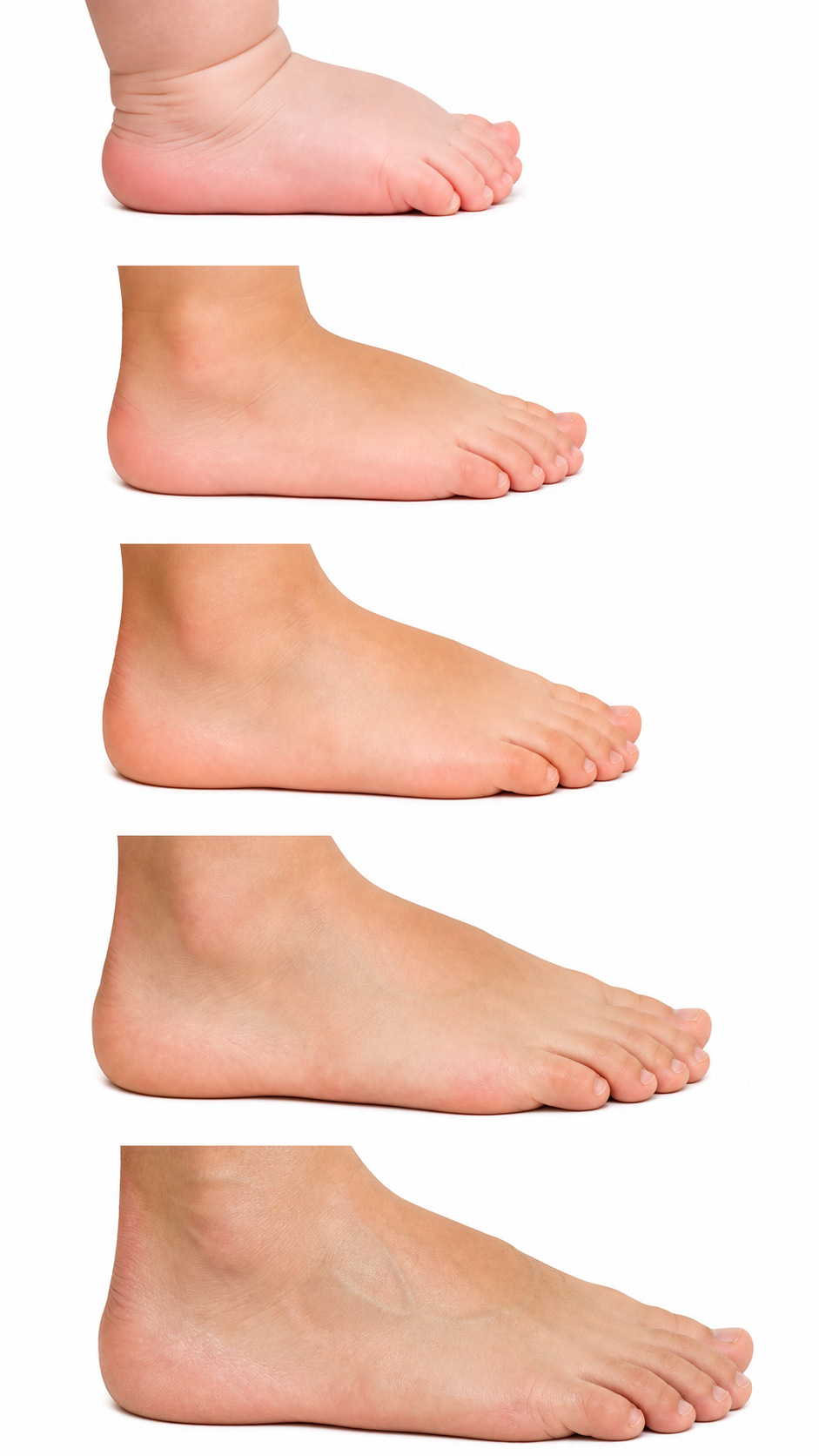
To fully understand why barefoot shoes are considered healthy, it is important to look at how a child’s foot develops. In the first years of life, the foot is not yet fully formed. The longitudinal arch is still developing, and the muscles and ligaments learn their function through movement and load.
This means the foot primarily needs the opportunity to act. Every step, every change in surface, every loss of balance is a stimulus for development. Muscles become stronger, the nervous system learns to respond, and the child builds coordination and stability.
If, during this process, the foot is enclosed in a stiff, restrictive shoe, part of this work is taken over by the shoe’s structure. From the outside, this may look like “stabilization”, but in practice it means less muscle activity and fewer stimuli for the developing movement system.
.jpg)
.webp)
.webp)